Andes Hantavirus: Unpacking the Virus Behind the MV Hondius Cluster
Scientists delve into the replication and transmission of Andes hantavirus, highlighting the unique challenges posed by the MV Hondius outbreak and its departure from typical rodent-borne patterns.
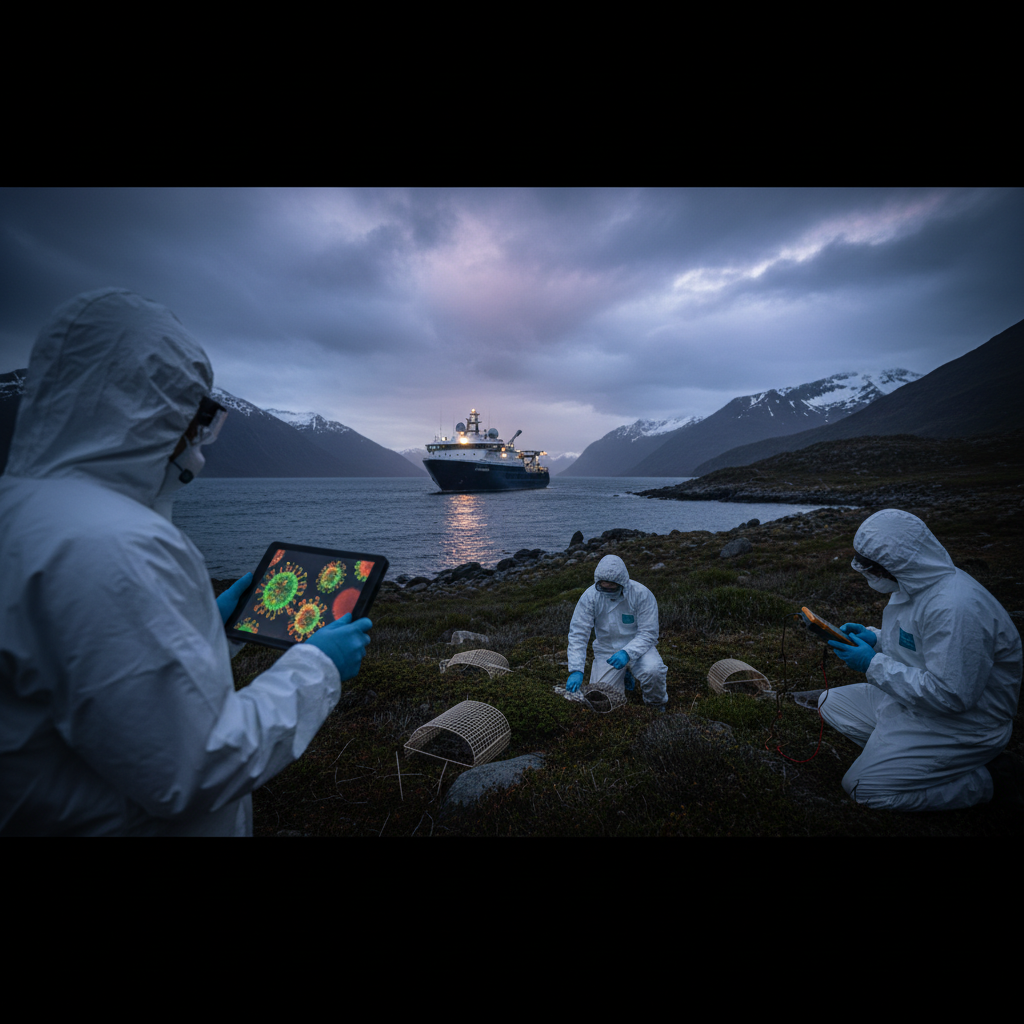
Understanding Andes Hantavirus: A Scientific Explainer
The ongoing situation aboard the MV Hondius Andes, anchored off Praia, Cape Verde, has brought the lesser-known but highly pathogenic Andes hantavirus into sharp global focus. While hantaviruses are typically associated with rodent reservoirs and sporadic human cases, the MV Hondius cluster presents unusual epidemiological characteristics that warrant a deeper understanding of the virus's biology, particularly its replication strategy and transmission routes.
The Andes Virus: A Segmented RNA Pathogen
Andes orthohantavirus (ANDV) belongs to the Hantaviridae family, a group of segmented, negative-sense RNA viruses. Unlike many other hantaviruses, ANDV is notorious for causing Hantavirus Cardiopulmonary Syndrome (HCPS), a severe and often fatal respiratory illness. The virus's genetic material is organized into three RNA segments: L (large), M (medium), and S (limited). These segments encode the RNA-dependent RNA polymerase (L protein), the two glycoproteins Gn and Gc (M segment), and the nucleocapsid protein (N protein) (US CDC, WHO). Upon entry into a host cell, typically through inhalation of aerosolized rodent excreta, the virus's RNA genome is transcribed into messenger RNA (mRNA) by the viral L protein. This mRNA then directs the synthesis of viral proteins.The Gn and Gc glycoproteins are crucial for viral entry into new cells and assembly. The N protein encapsidates the viral RNA segments, protecting them during replication and packaging. The replication process occurs in the cytoplasm of infected cells, utilizing host machinery though guided by viral enzymes.
Transmission Routes: Rethinking the Paradigm
Historically, hantaviruses, including ANDV, are understood to be zoonotic pathogens, primarily transmitted to humans through inhalation of aerosols contaminated with urine, feces, or saliva from infected rodents. The primary reservoir for ANDV is the long-tailed pygmy rice rat (Oligoryzomys longicaudatus) found in South America. Direct contact with infected rodents or their nesting materials can also lead to transmission. (WHO, ECDC)
But, what makes the MV Hondius cluster particularly concerning is the publicly reported evidence suggesting potential person-to-person transmission. While not unprecedented for ANDV – it's the only hantavirus definitively linked to documented human-to-human spread in its endemic regions of South America – its occurrence within a cruise ship environment, far from its natural reservoir, is highly unusual and presents bigly public health challenges. Previous clusters of human-to-human transmission have typically been observed in close household or healthcare settings following severe primary cases (Reuters, AP). Experts hypothesize that the high-density, semi-enclosed environment of a cruise ship could help such transmission more readily than typical community settings. The mechanism for person-to-person spread is thought to involve close contact with respiratory secretions of an infected individual, particularly during the acute phase of illness when viral loads may be high in the respiratory tract.Unlike rodent-to-human transmission, which relies on environmental aerosolization, human-to-human spread likely involves larger droplets or direct contact. Aerosolization can't be entirely ruled out in specific conditions (US CDC, ECDC).
The MV Hondius Anomaly: A Unique Epidemiological Challenge
Several factors contribute to the MV Hondius cluster's unusual nature:
- Geographic Dislocation: The outbreak occurred far from ANDV's endemic regions in South America. This raises questions on the initial introduction of the virus onto the vessel, whether from an asymptomatic carrier or a highly unusual, localized event involving an infected rodent during a port call somewhere along the vessel's route before its anchorage off Cape Verde. Though, the latter is deemed highly improbable given the typical range of Oligoryzomys longicaudatus. 2. Confined Environment: Cruise ships are complex, semi-closed environments. Air circulation systems, shared facilities, and close proximity of passengers and crew can amplify transmission dynamics, especially for respiratory pathogens. The environment may concentrate aerosolized particles or help droplet spread in ways not typically seen in open community settings. 3. Human-to-Human Spread: While ANDV is known for this, its emergence as the dominant transmission route in an outbreak of this scale and in this novel setting is a critical concern. It complicates contact tracing and isolation efforts bigly, moving beyond typical zoonotic control measures. 4. Diagnostic Challenges: Early symptoms of HCPS (fever, muscle aches, headache) are non-specific and can mimic other common illnesses, making early detection and isolation difficult, particularly in a transient population like cruise passengers and crew. Specific serological or PCR tests are required for definitive diagnosis. The scientific community, in collaboration with public health agencies, is actively investigating the specific viral strains involved and the epidemiological links to fully understand the transmission chains aboard the MV Hondius. This unprecedented scenario underscores the importance of continued research into hantavirus pathogenesis and adaptable public health response strategies for emerging and re-emerging pathogens in globalized travel contexts.
Sources
- World Health Organization (WHO): https://www.who.int/
- European Centre for Disease Prevention and Control (ECDC): https://www.ecdc.europa.eu/
- Africa Centres for Disease Control and Prevention (Africa CDC): https://africacdc.org/
- U.S. Centers for Disease Control and Prevention (US CDC): https://www.cdc.gov/
- Reuters: https://www.reuters.com/
- Associated Press (AP): https://apnews.com/
- British Broadcasting Corporation (BBC): https://www.bbc.com/



