Response

Cape Verde Bolsters Isolation Capacity as Quarantine Demands Strain Health Resources

Health authorities in Praia expand maritime triage units and press flag states for logistical support as prolonged isolation measures test local clinical and laboratory infrastructure.
Cape Verde Bolsters Isolation Capacity as Quarantine Demands Strain Health Resources

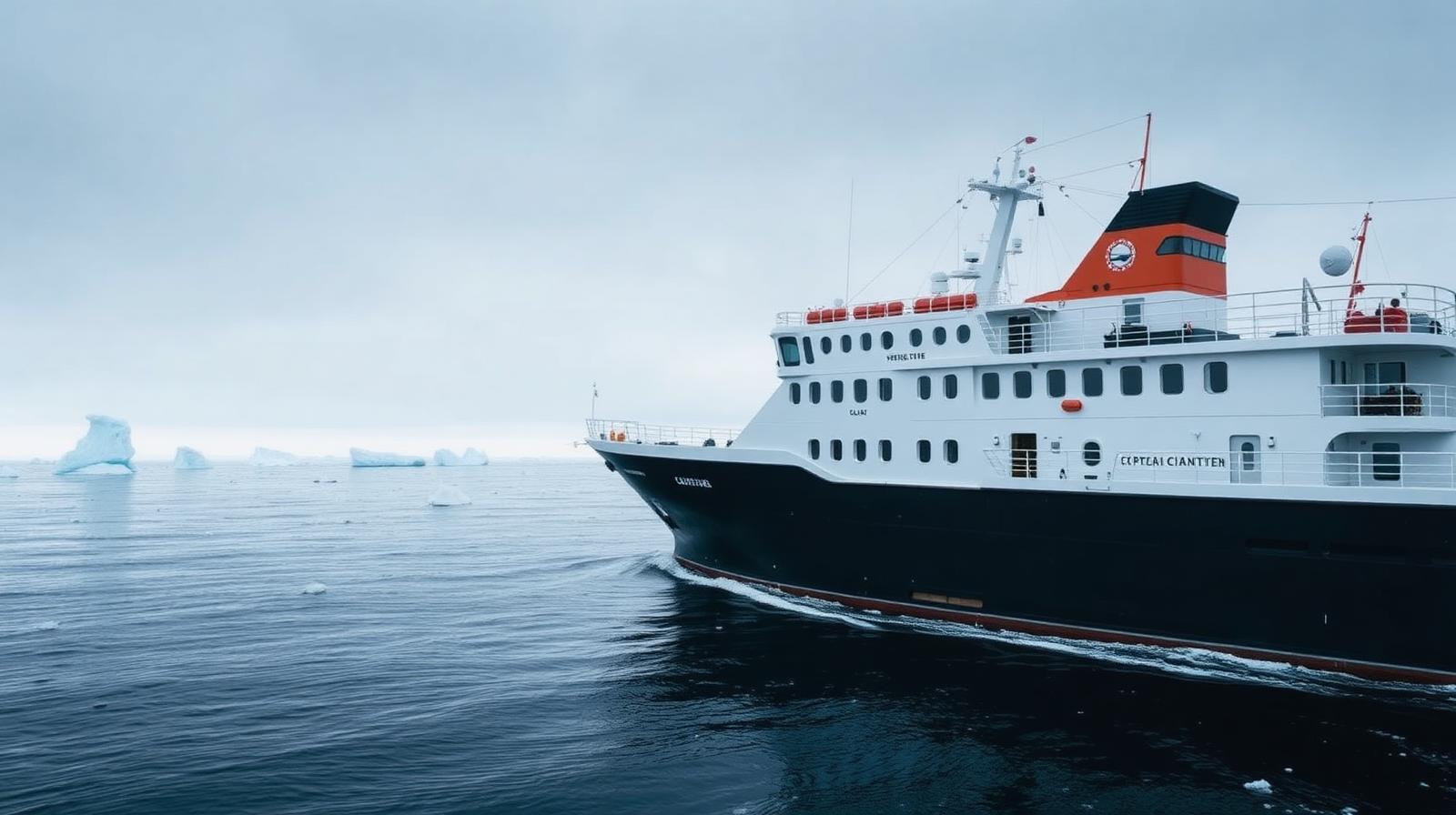
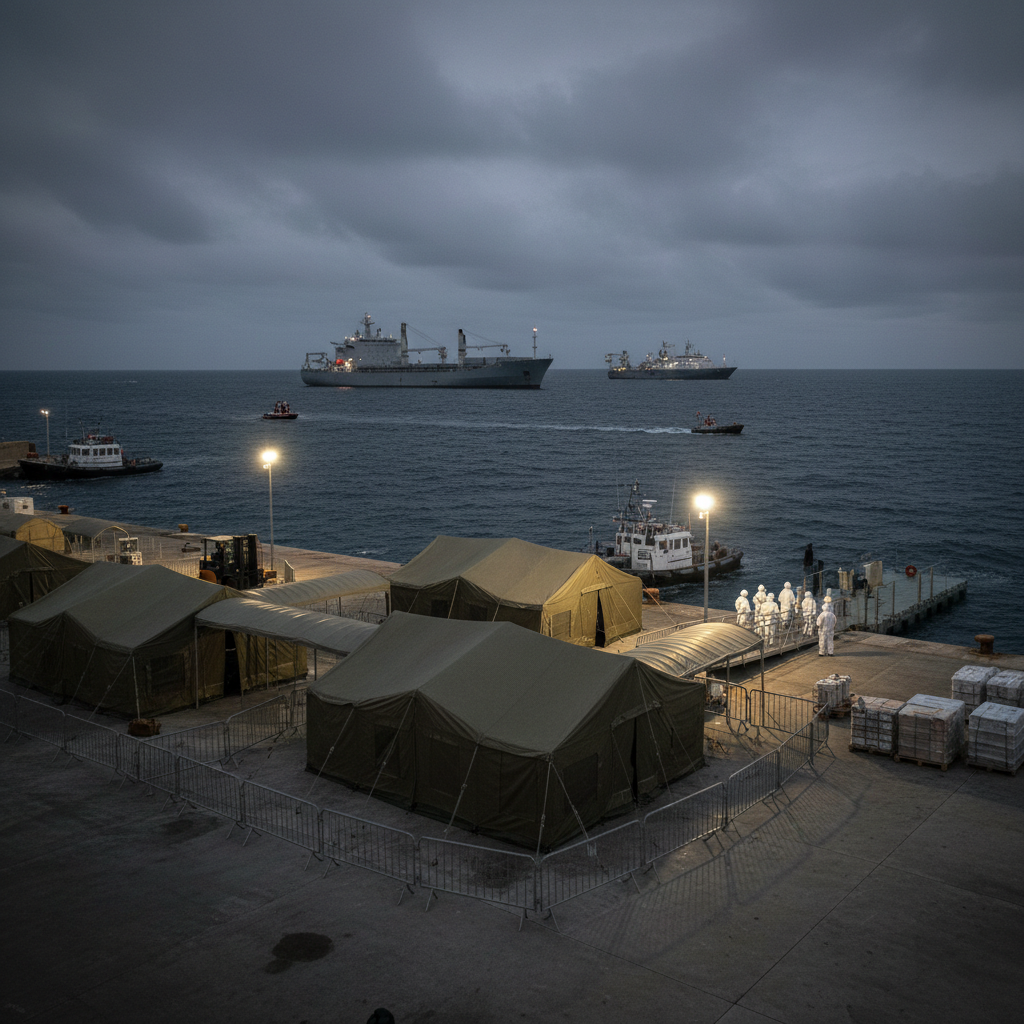
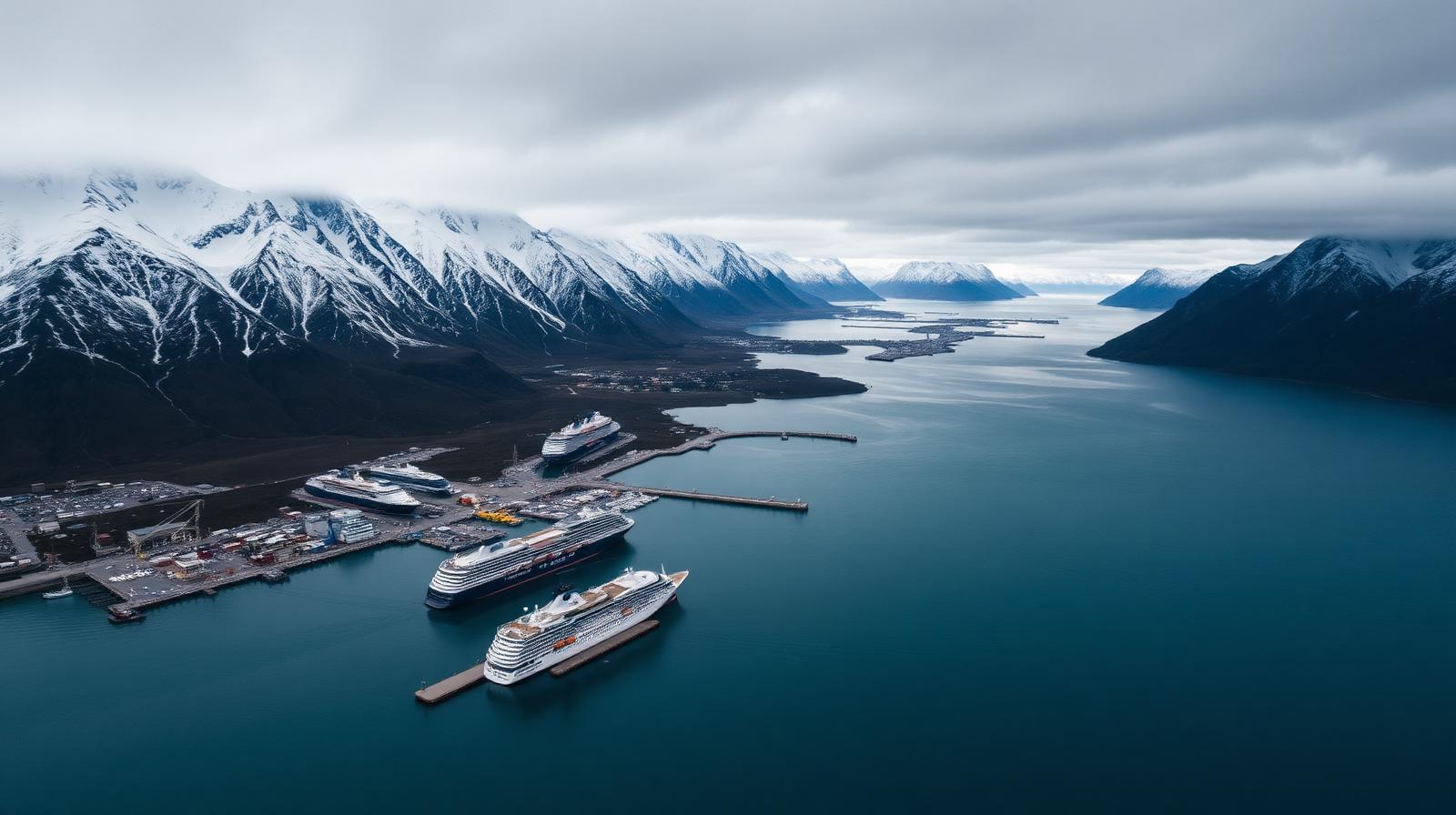
Expanding Triage and Shoreline Isolation\n\nPublic health authorities in Cape Verde have expanded ground-level containment perimeters and dedicated triage infrastructure around the Port of Praia, responding to operational demands created by the ongoing quarantine of the MV Hondius. The vessel remains anchored off Santiago Island under strict maritime biosafety protocols, requiring continuous monitoring and coordinated support from municipal and national health services.\n\nTo prevent potential transmission pathways from reaching the domestic population while managing complex medical requirements, the Cape Verdean Ministry of Health has established a secure shoreline reception zone. This facility functions as an intermediate evaluation post for any medical transfers authorized from ship to shore. Officials note that off-ship movements remain tightly restricted, authorized solely under negative-pressure transport protocols when higher-level critical care or advanced diagnostic confirmation is required.\n\nAdditional isolation beds have been designated within specialized units on Santiago Island, physically separated from general clinical wards. These containment areas utilize dedicated air handling and barrier nursing techniques aligned with World Health Organization (WHO) and Africa Centres for Disease Control and Prevention (Africa CDC) technical guidance for viral hemorrhagic fevers and severe pulmonary syndromes.\n\n## Local Health Infrastructure Under Pressure\n\nThe prolonged anchorage has created sustained operational pressure on Praia’s healthcare infrastructure, notably at the Hospital Agostinho Neto, the capital’s primary tertiary referral center. While routine domestic services continue, the diversion of specialized clinical staff, personal protective equipment (PPE), and high-dependency nursing resources toward maritime contingency planning has tested local surge capacity.\n\nKey bottlenecks center on advanced respiratory support and specialized laboratory diagnostics. Severe presentations of hantavirus cardiopulmonary syndrome require intensive supportive interventions, including advanced mechanical ventilation, invasive hemodynamic monitoring, and access to continuous renal replacement therapy. While local clinical teams possess significant expertise in tropical medicine, the sustained commitment of intensive care capacity for an offshore crisis threatens to compress beds reserved for the local population.\n\nDiagnostic timelines also remain an active challenge. While preliminary serological assays and point-of-care panels are being conducted in Praia, definitive reverse transcription-polymerase chain reaction (RT-PCR) testing and genomic sequencing for Andes virus lineages often require regional reference cross-validation. Africa CDC and external laboratory networks have coordinated the delivery of supplementary reagent kits and biosafety supplies to reinforce the National Public Health Laboratory in Praia, reducing reliance on long-distance air transport of infectious biological substances.\n\n## Diplomatic Coordination with Flag and Passenger States\n\nAlongside clinical management, the Cape Verdean government has intensified diplomatic negotiations with the vessel’s flag state administration, vessel operators, and the consular representatives of the multinational passengers and crew on board. National officials have repeatedly emphasized that host-nation goodwill and humanitarian obligations under the International Health Regulations (IHR 2005) must be matched by operational burden-sharing from international stakeholders.\n\nDiscussions between the Ministry of Foreign Affairs, the International Maritime Organization (IMO), and European diplomatic missions have centered on the following coordination priorities:\n\n* Repatriation Protocols: Formulating multi-stage medical evacuation frameworks for non-infectious individuals and recovered personnel, ensuring foreign governments provide dedicated aeromedical transport rather than relying on commercial passenger routes.\n* Logistical Cost Offsetting: Securing direct commitments from maritime insurers and operating entities to cover the costs of onshore isolation units, port service operations, and medical supplies consumed during the quarantine period.\n* Consular Access and Information Sharing: Standardizing daily technical bulletins to families and home governments through accredited diplomatic channels while safeguarding patient privacy and bio-surveillance integrity.\n\nCape Verdean officials have maintained that premature termination of the offshore quarantine would pose unacceptable domestic biosecurity risks, making full alignment between international maritime law and national public health orders essential.\n\n## International Technical Assistance and Supply Pipelines\n\nInternational health agencies have accelerated the delivery of emergency technical assistance to bolster Praia's defenses. A joint technical mission involving personnel from the WHO African Regional Office (AFRO) and Africa CDC has integrated into the incident command post established in Praia, advising on maritime quarantine protocols, infection prevention and control (IPC), and environmental decontamination.\n\nEmergency shipments containing specialized PPE, high-efficiency particulate air (HEPA) filtration systems, and laboratory consumables have arrived at Nelson Mandela International Airport via bilateral assistance corridors. The European Centre for Disease Prevention and Control (ECDC) and the US Centers for Disease Control and Prevention (CDC) have also maintained open consultative channels with local teams, providing comparative clinical guidance regarding clinical management and environmental persistence of New World hantaviruses.\n\nWhile international technical support has stabilized the initial response, authorities in Praia reiterate that prolonged maritime quarantine operations require enduring logistical lifelines. National authorities continue to hold regular coordination sessions with international partners to ensure domestic healthcare delivery remains uncompromised as offshore containment measures proceed.\n\n## Sources\n\n* World Health Organization: https://www.who.int\n* Africa Centres for Disease Control and Prevention: https://africacdc.org\n* European Centre for Disease Prevention and Control: https://www.ecdc.europa.eu\n* US Centers for Disease Control and Prevention: https://www.cdc.gov\n* International Maritime Organization: https://www.imo.org\n* Reuters: https://www.reuters.com

AI-curated

Recommended for you

View all →
Continue Reading

More from Hantavirus Cruise

Loading more stories…