Cape Verde Grapples with Hantavirus Outbreak Demands as Hondius Andes Remains Offshore
The ongoing hantavirus outbreak aboard the MV Hondius Andes continues to test Cape Verde's public health infrastructure, with international aid focused on isolation capacity and diplomatic coordination amidst the prolonged maritime quarantine.
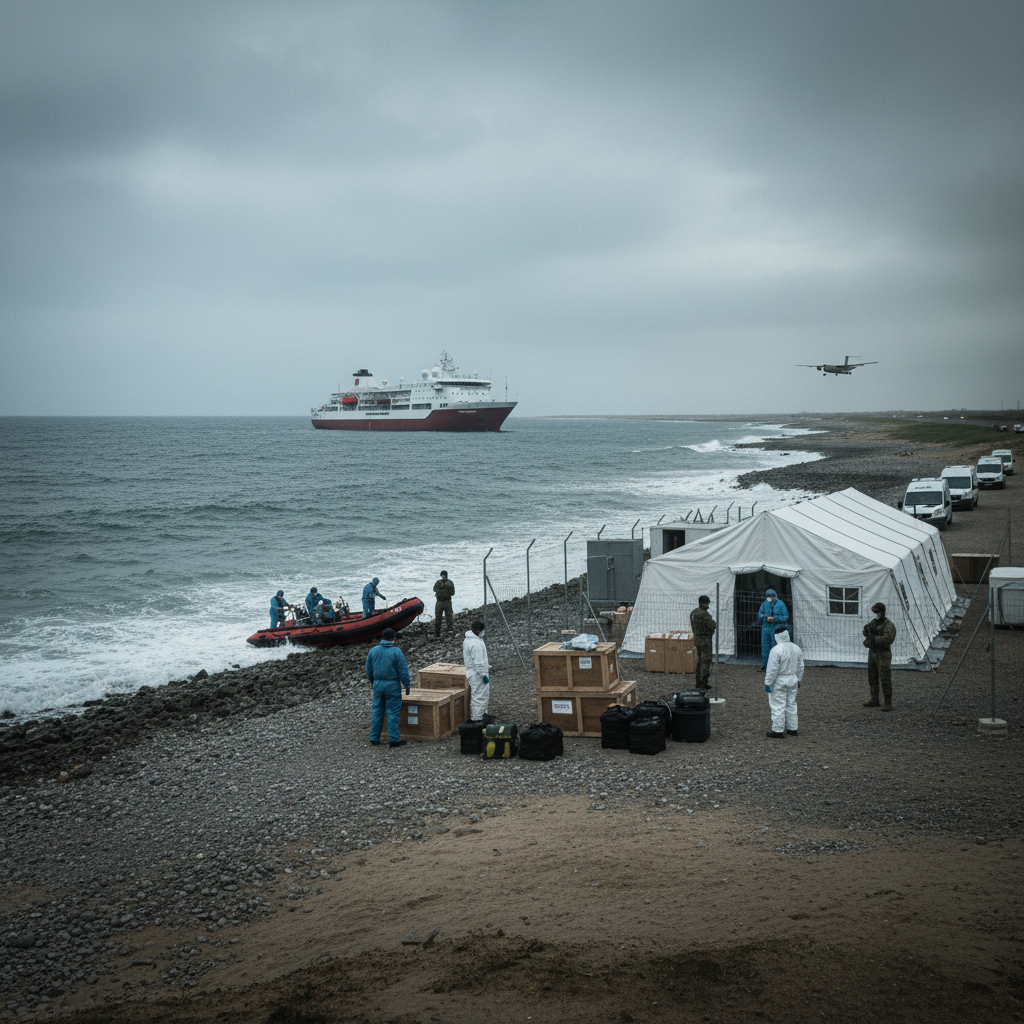
Cape Verde Health System Under Strain from Hantavirus Response
Praia, Cape Verde – September 8, 2026 – As the MV Hondius Andes remains anchored off the coast of Praia, the hantavirus outbreak unfolding aboard the vessel continues to place bigly and sustained pressure on Cape Verde's national health system. The protracted nature of the maritime quarantine and the logistical complexities of managing a novel zoonotic disease outbreak at sea have necessitated a substantial, multi-faceted response from the West African island nation. Public health officials in Cape Verde, supported by international partners, are navigating the dual challenge of preventing onshore transmission while providing essential medical care to those affected on the cruise ship. The limited resources inherent to a small island developing state mean that even a contained outbreak requiring specialized medical and isolation facilities represents a substantial burden.
Isolation Capacity and Medical Support Remain Critical
Central to the response has been the establishment and scaling of appropriate isolation facilities. While initial efforts focused on onboard medical capabilities, the need for potential shore-based advanced care for severe cases has driven a concerted effort to prepare designated isolation units in Praia. These units, reportedly augmented with specialized equipment and trained personnel through international collaboration, aim to ensure that if any patient requires disembarkation for critical care, it can be done safely and without risk to the local population.As of early September, publicly reported information indicates that these facilities are operational. Their capacity remains a point of focus for monitoring organizations like the World Health Organization (WHO) and Africa Centres for Disease Control and Prevention (Africa CDC). The provision of medical supplies, personal protective equipment (PPE), and technical expertise has been bigly bolstered by external support.The US Centers for Disease Control and Prevention (US CDC) and the European Centre for Disease Prevention and Control (ECDC) have been cited by local officials as key contributors, dispatching epidemiologists, infectious disease specialists. Logistical support to assist Cape Verdean health authorities. This assistance is critical not only for managing the immediate crisis but as well for strengthening long-term public health preparedness in the nation.
Diplomatic Coordination Navigates Complexities of Maritime Quarantine
The MV Hondius Andes incident has underscored the intricate diplomatic challenges inherent in managing a disease outbreak on an international vessel in foreign waters.Cape Verde, as the host nation, bears primary responsibility for health safety within its jurisdiction, yet the ship carries passengers and crew from numerous nationalities, adding layers of complexity to communication, repatriation planning. Legal considerations. Frequent high-level coordination meetings are reportedly occurring between Cape Verdean authorities, representatives of the ship's flag state, and consular officials from the various nations whose citizens are aboard. The International Maritime Organization (IMO) has too been involved, providing guidance on maritime health regulations and port state responsibilities. These discussions encompass a number of issues, from the ongoing provision of medical care and psychological support to passengers and crew, to the eventual safe disembarkation and repatriation protocols, once the outbreak is officially declared over and all health requirements are met. Transparency and effective communication between all stakeholders are vital to maintaining trust and ensuring a coordinated, humane response. Cape Verdean officials have emphasized their commitment to adhering to international health regulations while safeguarding national public health, a stance echoed by international bodies like the WHO. The duration of the quarantine, now stretching into its fifth month, continues to necessitate sustained diplomatic engagement to address evolving challenges, including the mental health impacts on those isolated aboard the vessel and the economic implications for local maritime industries.
Looking Ahead: Long-Term Preparedness and Lessons Learned
The MV Hondius Andes event is expected to yield critical lessons for global health security and maritime public health. For Cape Verde, it has highlighted both the vulnerabilities and the resilience of its health system.The immediate focus remains on managing the current situation effectively. Discussions are reportedly underway regarding long-term investments in infectious disease surveillance, laboratory capacity, and rapid response mechanisms. International partnerships forged during this crisis are proving invaluable, demonstrating the necessity of a collaborative global approach to emerging infectious diseases. The coming weeks will be crucial for determining the final stages of the outbreak response and the safe resolution of the maritime quarantine, a process heavily reliant on continued international cooperation and Cape Verde's steadfast commitment to public health.



