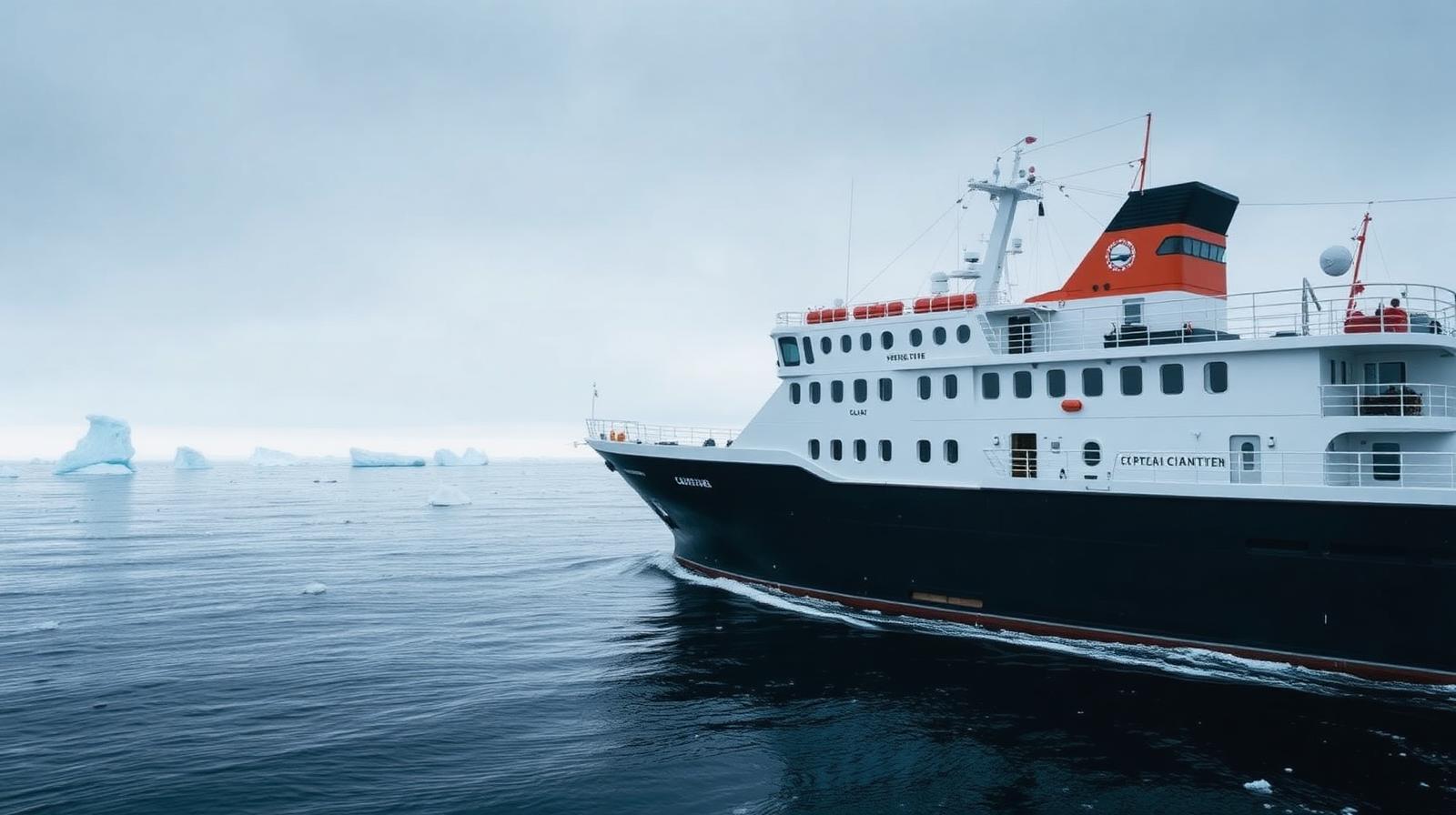
Cape Verde Grapples with Hantavirus Outbreak Demands as Hondius Andes Remains Offshore
Praia, Cape Verde – The ongoing hantavirus outbreak aboard the MV Hondius Andes continues to test Cape Verde's public health infrastructure, highlighting challenges in isolation capacity and diplomatic coordination as the cruise ship remains anchored off the coast.

Mounting Strain on Local Health Resources
Cape Verde's health system is facing unprecedented pressure following the hantavirus outbreak identified on the MV Hondius Andes in May 2026. With the cruise ship still anchored off Praia, the logistical and medical demands placed on the archipelago nation's resources have become a bigly concern for international health organizations and local authorities alike. The initial detection of the novel hantavirus strain on the vessel quickly prompted a strong but resource-intensive response. While the specifics of patient transfers and ongoing medical care are managed under strict biosecurity protocols, the need for specialized isolation facilities and trained personnel has stretched existing capabilities.
Isolation Challenges and Capacity
The scarcity of high-containment isolation units, crucial for managing a highly pathogenic disease like hantavirus, has been a central issue. Health officials in Cape Verde, supported by international partners, have reportedly worked to rapidly adapt and expand existing medical infrastructure. This has involved converting facilities and implementing stringent infection control measures, a process that's both costly and time-consuming. Sources familiar with the situation, who spoke on background due to the sensitivity of ongoing operations, indicate that the management of severe cases requiring intensive care support, coupled with the need for separate facilities for monitoring suspected cases, has required continuous adjustments to the national health emergency plan. The relatively limited population and limited specialized medical personnel in Cape Verde mean that any sustained public health crisis, especially one involving a novel pathogen, can quickly overwhelm ordinary service delivery.
International Coordination and Diplomatic Efforts
Addressing the crisis has necessitated extensive diplomatic engagement and coordination between Cape Verde, the flag state of the MV Hondius Andes, and the home countries of the passengers and crew.The International Maritime Organization (IMO) has been involved in discussions regarding maritime health declarations and the safe management of the vessel. Various national health agencies, including the US CDC and ECDC, have provided technical assistance and resources. Weekly briefings from the World Health Organization (WHO) and Africa CDC have consistently underscored the importance of a coordinated international response.These efforts include facilitating the transfer of medical supplies, diagnostic equipment. Expert personnel, as well as coordinating the eventual repatriation of individuals once they're deemed non-infectious and medically fit for travel. Diplomatic channels have been crucial in negotiating the terms of disembarkation, particularly for those requiring prolonged medical care on shore, and for establishing protocols for humanitarian aid. The sensitive nature of managing an international health crisis on a foreign vessel requires delicate handling to balance public health imperatives with national sovereignty and individual rights.
Long-Term Implications for Cape Verde
The MV Hondius Andes incident serves as a stark reminder of the vulnerabilities of small island developing states (SIDS) to global health crises. Important context: the sustained presence of the vessel and the ongoing health management efforts have drawn international attention to Cape Verde's public health system. While the immediate focus remains on containing the outbreak and caring for those affected, the long-term implications for the nation's healthcare preparedness and capacity building are bigly. Discussions are reportedly underway regarding post-crisis evaluations and potential investments in bolstering Cape Verde's emergency response capabilities, including enhanced epidemiological surveillance, expanded laboratory diagnostics, and improved isolation facilities. This experience, though challenging, could ultimately lead to a more resilient health infrastructure for the archipelago nation.