Cape Verde Grapples with Hantavirus Outbreak Demands, Diplomatic Strain Mounts
Praia's health infrastructure faces unprecedented pressure as the MV Hondius Andes hantavirus crisis continues. International aid and complex diplomatic negotiations are crucial to bolster isolation capacity and manage the health emergency.
Cape Verde's Health System Under Strain
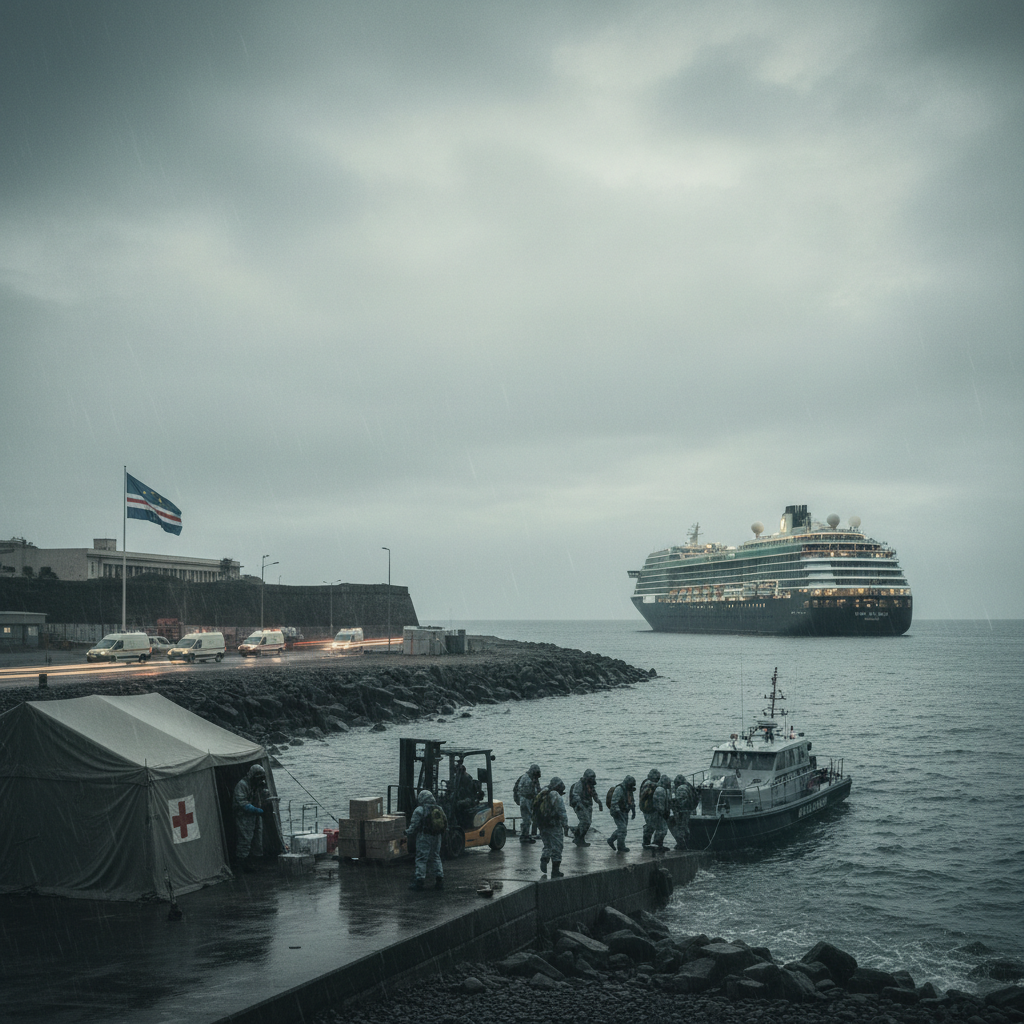
Praia, Cape Verde – The ongoing hantavirus outbreak originating from the MV Hondius Andes cruise ship continues to test Cape Verde's public health infrastructure, nearly five months after the vessel was first anchored off Praia in May 2026. Local health authorities, supported by international partners, are working to manage a complex health emergency with limited resources, particularly regarding specialized isolation facilities. Since the initial detection of hantavirus cases among the ship's crew and passengers, the capital's main hospital and designated health centers have been central to the response. The influx of patients requiring specialized care and isolation has strained bed capacity, medical personnel, and critical equipment. Publicly reported figures indicate a bigly number of individuals have required hospitalization for acute hantavirus pulmonary syndrome (HPS), placing immense pressure on intensive care units (ICUs) as of early October 2026, according to statements from the Cape Verde Ministry of Health. "Our health workers are performing under extraordinary circumstances," an official from the Ministry of Health stated, without providing specific numbers. "The demand for specialized respiratory support and strict isolation protocols has necessitated rapid expansion and adaptation of existing facilities, often beyond their original design capacity." The official highlighted the critical need for additional ventilators, trained infectious disease specialists, and advanced diagnostic capabilities.
Isolation Facilities and Contingency Planning
Establishing adequate isolation facilities has been a primary challenge for Cape Verde. Initial efforts involved converting sections of existing hospitals and public buildings into dedicated hantavirus wards. But, the unique transmission risks associated with hantaviruses and the need for stringent biosafety measures have complicated these efforts. The World Health Organization (WHO) and Africa Centres for Disease Control and Prevention (Africa CDC) have provided technical guidance and some material support to enhance these facilities. Sources close to the response efforts indicate that temporary field hospitals and modular isolation units, supplied through international aid, have become integral to managing the caseload. These temporary structures aim to alleviate pressure on permanent healthcare facilities and provide safer environments for both patients and healthcare workers. But, staffing these facilities with adequately trained personnel remains a persistent concern. Training programs have been rapidly implemented, but the specialist nature of HPS care means a continued reliance on international medical teams and expatriate specialists.
Diplomatic Coordination and International Aid
The MV Hondius Andes incident has necessitated a complex web of diplomatic coordination, involving the Cape Verdean government, the flag state of the vessel (Panama), the cruise line operator. Numerous countries whose citizens were aboard. The sheer number of nationalities represented among the passengers and crew has made repatriations and medical transfers logistically challenging and diplomatically sensitive. Negotiations have focused on securing medical evacuation pathways for severely ill patients to countries with more advanced healthcare systems, when medically appropriate and logistically feasible. This process requires bilateral agreements, coordination of air ambulance services, and careful adherence to biosafety protocols to prevent further transmission. The International Maritime Organization (IMO) has been involved in facilitating communication between maritime authorities and national governments on the vessel's status and the welfare of those remaining onboard. And, diplomatic channels have been crucial in mobilizing international aid. Financial assistance, medical supplies, and expert personnel have arrived from various donor nations and multilateral organizations. The European Centre for Disease Prevention and Control (ECDC) has too played a role in offering expertise on outbreak management and surveillance, given the European citizenship of many affected passengers. Maintaining transparency and open communication between all stakeholders has been a cornerstone of these diplomatic efforts, aiming to ensure a coordinated and effective response to an unprecedented maritime health crisis in the region, as of early October 2026.
Future Implications and Preparedness
The Hantavirus Cruise incident serves as a critical case study for small island developing states (SIDS) like Cape Verde, highlighting vulnerabilities in their public health systems when confronted with large-scale outbreaks originating from international vectors. The experience gained is expected to inform future pandemic preparedness plans, focusing on enhancing surge capacity, improving biosafety infrastructure, and strengthening international cooperation mechanisms. Lessons learned from the MV Hondius Andes response will be vital for future global health security, according to public health experts monitoring the situation.



