Cape Verde Grapples with Hantavirus Outbreak Demands, Diplomatic Tightrope
The MV Hondius Andes hantavirus outbreak places unprecedented strain on Cape Verde's public health infrastructure, testing isolation capacity and requiring delicate international coordination amidst ongoing repatriation efforts.
Cape Verde's Health System Under Pressure
Praia, Cape Verde – The ongoing hantavirus outbreak linked to the MV Hondius Andes cruise ship continues to challenge Cape Verde's public health system, particularly concerning its capacity for isolation and specialized medical care. Since the cruise ship was quarantined off Praia in May 2026, local health authorities have been working to manage the health crisis alongside international partners. Initial assessments by the World Health Organization (WHO) and Africa Centres for Disease Control and Prevention (Africa CDC) have highlighted the inherent limitations of limited island nations in managing large-scale public health emergencies.Cape Verde's healthcare infrastructure. Generally strong for its population size, was not designed to accommodate the complex isolation and advanced care requirements of a bigly hantavirus outbreak involving a large, transient population.
Isolation Facilities Stretched Thin
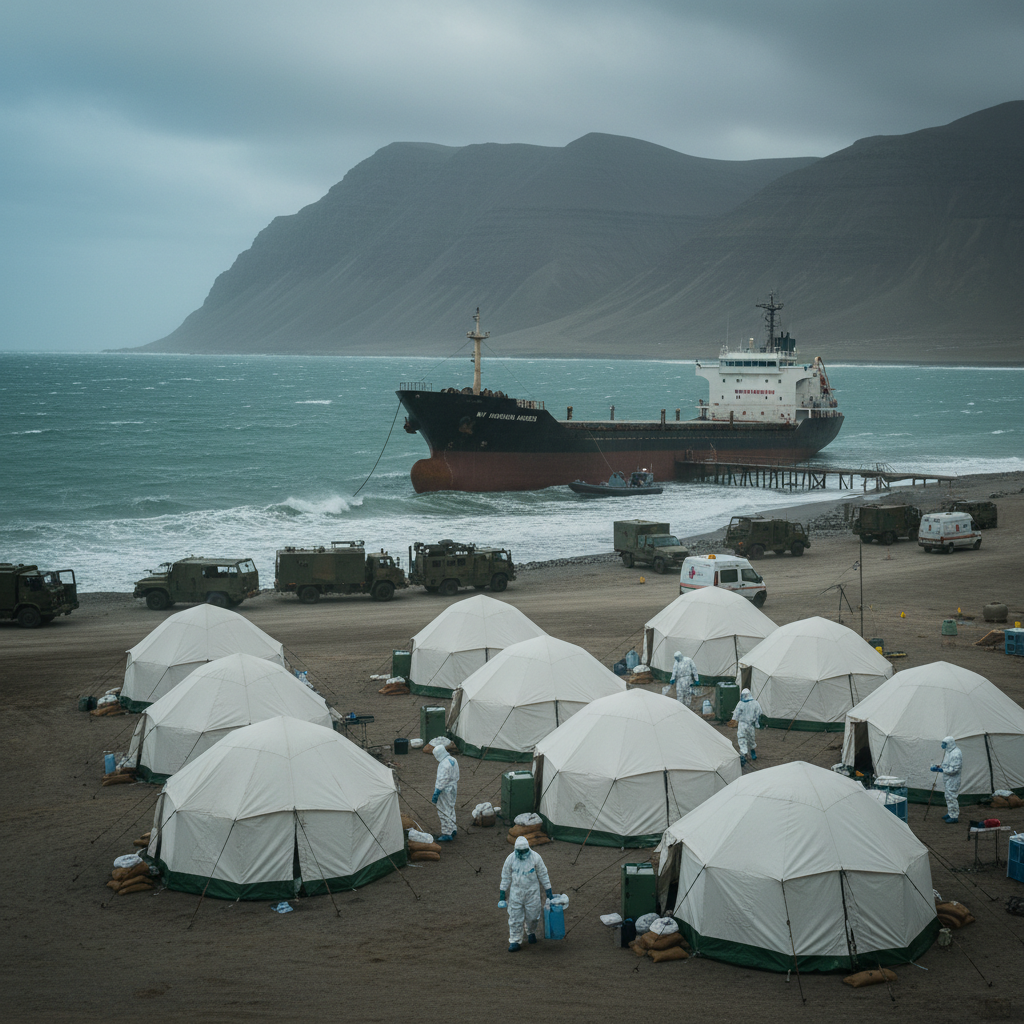
Sources familiar with the response efforts indicate that existing isolation wards in Cape Verde were quickly overwhelmed as individuals requiring observation or treatment for hantavirus pulmonary syndrome (HPS) or other related symptoms were identified. The rapid establishment of temporary isolation facilities, often converted from other public buildings or purpose-built structures with international assistance, became a critical priority. These efforts have involved the deployment of field hospitals and medical teams from several nations, coordinated by the WHO and other humanitarian organizations.The logistical challenges of maintaining these facilities, including securing adequate medical supplies, personal protective equipment (PPE). Trained personnel, have been substantial, per reports from international aid agencies on the ground.
Diplomatic Coordination and Repatriation Complexities
The response to the MV Hondius Andes outbreak has necessitated intricate diplomatic coordination.With passengers and crew originating from dozens of different countries, the process of medical evacuation, transfer. Eventual repatriation has been a complex web of bilateral agreements, international health regulations, and logistical planning.The International Maritime Organization (IMO) has been involved in discussions regarding maritime health protocols and port state responsibilities. Various embassies and consulates have worked tirelessly to help the return of their nationals. Early stages of the crisis saw bigly challenges in harmonizing health screening protocols and travel restrictions imposed by different countries. Some nations initially implemented stringent entry requirements, complicating the efficient transfer of individuals, including those who had completed isolation periods or tested negative for the virus. Over time, a more standardized approach has begun to emerge, largely driven by guidelines from the WHO and discussions among affected nations.
Long-term Impacts and Future Preparedness
The financial and human resource burden on Cape Verde has been considerable. The diversion of healthcare professionals, equipment, and public funds towards managing the cruise ship outbreak has inevitably impacted routine healthcare services for the local population. While international aid has been crucial, the long-term implications for Cape Verde's health budget and human capital remain a concern. Moving forward, this incident serves as a critical case study for small island developing states (SIDS) and their preparedness for complex health emergencies involving international travel.Discussions are underway at regional and international forums, including the Africa CDC and the WHO, to develop enhanced frameworks for maritime health emergencies, cross-border health surveillance. Surge capacity planning in resource-limited settings. The aim is to ensure that future similar events can be managed with less strain on host-country health systems and more streamlined international cooperation.
Sources
- World Health Organization: https://www.who.int
- Africa Centres for Disease Control and Prevention: https://africacdc.org
- International Maritime Organization: https://www.imo.org
- Reuters: https://www.reuters.com
- Associated Press: https://apnews.com



