Cape Verde Grapples with Hantavirus Outbreak Demands, International Coordination Key
The MV Hondius Andes hantavirus incident off Praia continues to test Cape Verde's public health infrastructure, highlighting challenges in isolation capacity and the critical role of diplomatic cooperation in managing maritime health emergencies.
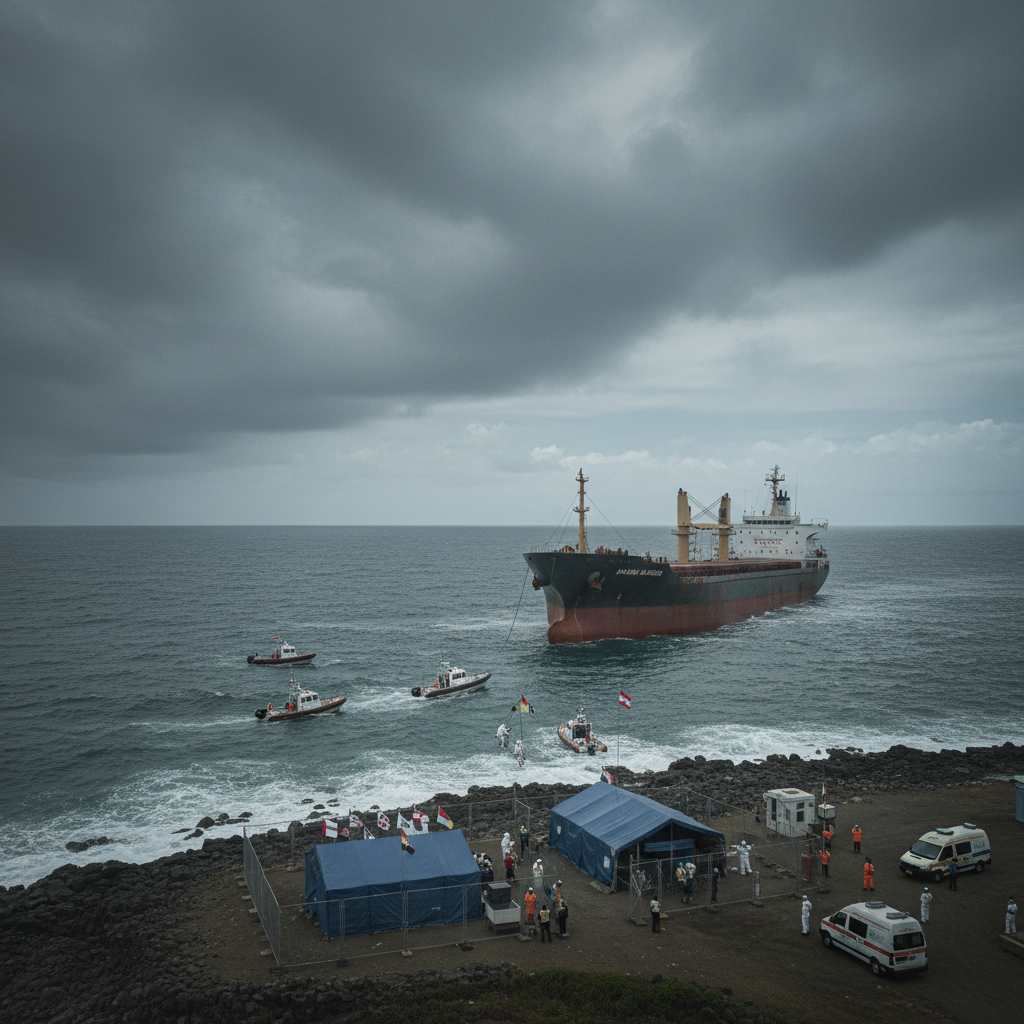
Strain on Health System Evident
PRAIA, Cape Verde – The ongoing hantavirus outbreak linked to the MV Hondius Andes, anchored offshore since May 2026, continues to place bigly strain on Cape Verde’s public health system. While precise figures regarding local transmission or hospitalizations are not yet released, the sustained demand for resources, both human and material, underscores the challenges faced by a developing nation in responding to an extended health crisis originating from an international vessel. Authorities in Praia have been managing the health needs of both affected passengers and crew from the MV Hondius Andes, as well as monitoring the health of local personnel involved in the response. This includes public health workers, medical staff, and port authorities.The country’s primary medical facilities, particularly those in the capital, have been engaged in screening, testing. Potential treatment protocols for months, diverting resources that would typically address routine healthcare needs. The capacity of local laboratories to conduct specialized hantavirus testing has been augmented through international partnerships. Publicly reported figures from international health organizations indicate a substantial increase in diagnostic support provided to Cape Verde since the initial outbreak notification. But, the sustained need for reagents, equipment maintenance, and trained personnel represents an ongoing logistical hurdle.
Isolation Facilities Under Pressure
One of the most critical aspects of Cape Verde’s response has been the establishment and maintenance of adequate isolation facilities. Given the specific requirements for managing a zoonotic respiratory virus with potentially severe outcomes, standard hospital wards are often insufficient. Initial efforts involved converting existing medical spaces and, where necessary, establishing temporary isolation units. Sources familiar with the operation indicate that the demand for these specialized isolation beds has been consistent, requiring careful management of patient flow and strict infection control protocols.The logistical challenge extends beyond mere bed space, encompassing the provision of personal protective equipment (PPE) for healthcare workers, negative pressure ventilation where possible. Strong waste management systems designed for biohazardous materials. The long-term deployment of medical professionals to these high-risk environments has also highlighted the need for expanded training and support for local health personnel. The International Maritime Organization (IMO) and the World Health Organization (WHO) have acknowledged the complex nature of managing prolonged health emergencies aboard vessels, particularly when host nations have limited infrastructure.The MV Hondius Andes scenario serves as a stark reminder of the global interconnectedness of public health and maritime trade. Behind the scenes: the disproportionate burden that can fall on smaller nations during such events.
Diplomatic Coordination Essential
The extended nature of the MV Hondius Andes situation has made diplomatic coordination an indispensable component of the response. Important context: the vessel, carrying passengers and crew from multiple nationalities, necessitates complex bilateral and multilateral engagement.Cape Verdean officials have been working closely with consular representatives from affected countries, as well as with international bodies like WHO, the European Centre for Disease Prevention and Control (ECDC). Africa CDC. Key areas of diplomatic effort include facilitating the safe repatriation of unaffected individuals, coordinating the transfer of medical supplies and expertise. Ensuring clear communication channels on the health status of those onboard and ashore. The logistical complexities of international medical evacuations, especially for individuals requiring specialized care, have demanded intricate planning and agreement between multiple governmental and organizational stakeholders. Regular consultations between Cape Verde’s Ministry of Health, Ministry of Foreign Affairs, and international partners have been crucial for resource mobilization, technical assistance, and ensuring a harmonized approach to containment and care. This multi-layered diplomatic engagement underscores that while the health crisis is local to Praia, its resolution is inherently global. The Hantavirus Cruise desk will continue to monitor developments on the MV Hondius Andes and the ongoing response in Cape Verde.



