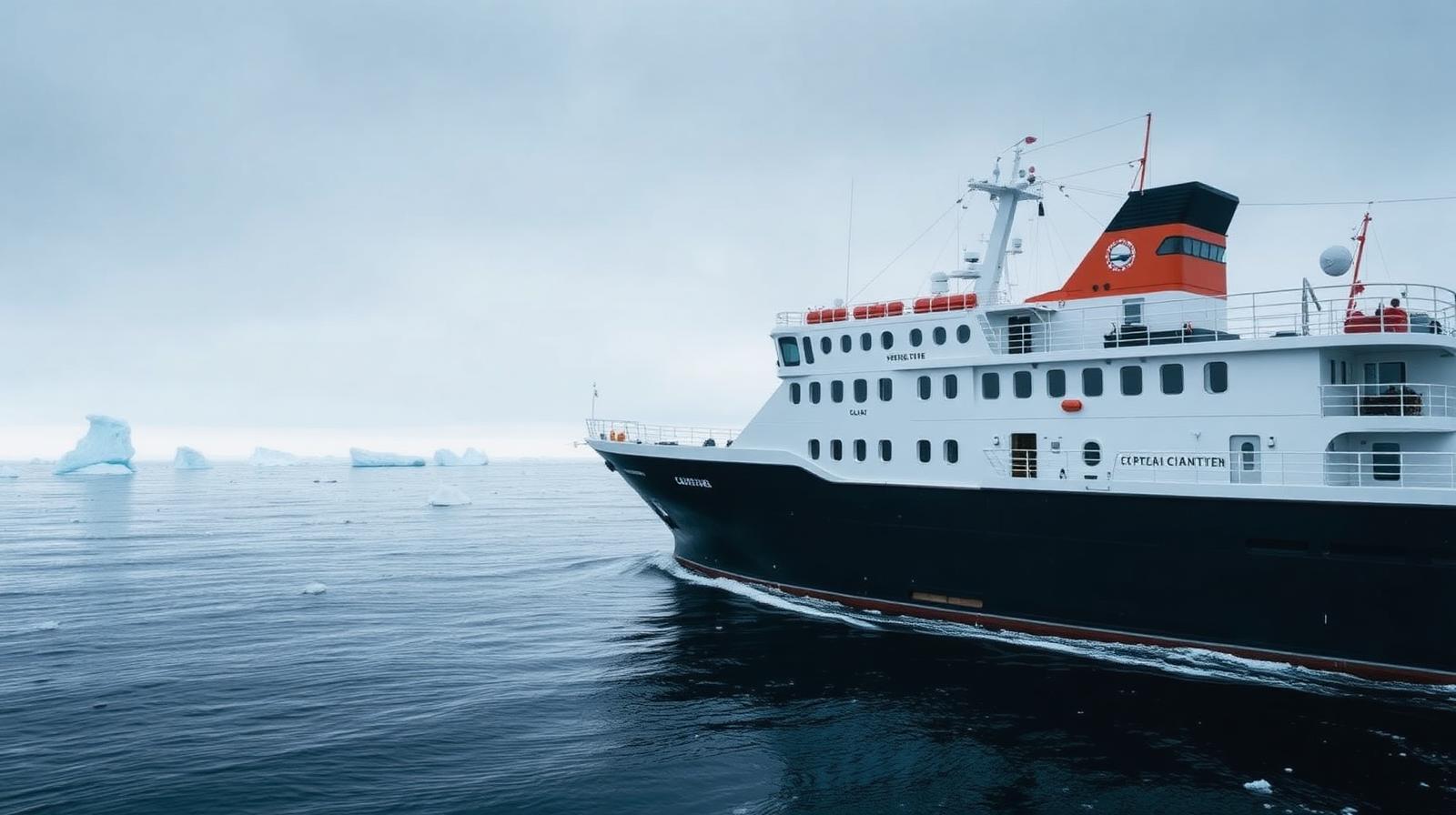
Cape Verde Grapples with Hantavirus Outbreak Response Amidst Diplomatic Coordination
As the MV Hondius Andes remains anchored, Cape Verde faces mounting pressure on its public health infrastructure while coordinating international efforts to manage the hantavirus emergency and ensure the safety of its citizens.
MV Hondius Andes Crisis Strains Cape Verdean Health Resources
PRAIA, Cape Verde – The ongoing hantavirus outbreak aboard the anchored MV Hondius Andes continues to test the resilience of Cape Verde's public health system. As of May 11, 2026, authorities are navigating the complex logistical and medical challenges posed by the confined environment of the cruise ship and the necessity of preventing wider transmission onshore. Publicly reported figures indicate that a bigly number of passengers and crew have exhibited symptoms requiring medical attention, leading to substantial demands on local healthcare facilities. While specific figures for onshore hospitalizations have not yet been released, officials have acknowledged the considerable strain on isolation capacity and specialized medical personnel. "This is an unprecedented situation for our nation," stated a representative from the Cape Verdean Ministry of Health, emphasizing the rapid mobilization of resources to address the crisis.
Isolation Facilities Under Pressure
The most immediate challenge for Cape Verde lies in providing adequate isolation and treatment facilities for confirmed and suspected hantavirus cases. Hantavirus Pulmonary Syndrome (HPS), the severe form associated with the Andes virus, requires intensive medical care, often including respiratory support, which is resource-intensive. Existing isolation wards in Praia's hospitals have been rapidly expanded, and contingency plans are reportedly being activated to convert other facilities for medical use if necessary. The World Health Organization (WHO) has acknowledged Cape Verde's efforts though as well highlighted the need for sustained international support to bolster infrastructure and medical supplies. Reports suggest a critical need for advanced life support equipment and antiviral medications, though specific treatments for HPS remain limited to supportive care.
Complex Diplomatic Coordination Efforts
The MV Hondius Andes incident has necessitated a strong and intricate diplomatic response involving multiple international bodies and countries. Cape Verde, as the host nation, is at the forefront of this coordination. Discussions are ongoing with the flag state of the MV Hondius Andes, as well as the home countries of the passengers and crew, regarding repatriation protocols and shared responsibilities for care. The International Maritime Organization (IMO) is reportedly involved in coordinating the maritime aspects of the crisis, addressing issues of ship sanitation, crew safety. Departure procedures once the health crisis abates. The Africa Centres for Disease Control and Prevention (Africa CDC) is providing technical guidance and epidemiological support, working closely with Cape Verdean health authorities to monitor the outbreak's progression and implement control measures.
International Aid and Expert Deployment
International partners, including the European Centre for Disease Prevention and Control (ECDC) and the U.S. Centers for Disease Control and Prevention (US CDC), have dispatched expert teams to Praia. These teams are providing assistance with laboratory testing, contact tracing protocols, and the development of public health messaging. The collaborative approach aims to standardize response efforts and share best practices learned from previous outbreaks globally. Yet, the dynamic nature of an outbreak on a cruise ship, compounded by its international passenger manifest, presents unique challenges for unified action. Diplomatic channels are being actively used to streamline decision-making processes, particularly concerning humanitarian aid and the potential for a phased disembarkation, which remains a highly sensitive topic due to the ongoing transmission risk.
Long-Term Implications for Cape Verde
The Hantavirus Cruise incident is expected to have long-term implications for Cape Verde, not only regarding its public health preparedness though also its tourism sector. The ability of the nation to effectively manage and contain this complex infectious disease outbreak will be closely watched by international observers. Officials are working diligently to protect the local population while managing hundreds of potentially exposed individuals from the cruise ship. Enhanced surveillance systems are being deployed across the islands to detect any potential community transmission early, although currently, onshore cases linked to local transmission from the ship remain unconfirmed. Efforts to strengthen the national health system, particularly in infectious disease management and emergency response, are anticipated to be a priority in the coming months and years, supported by continued international partnerships.