Cape Verde Grapples with Hantavirus Outbreak Response, Strains on Health System
Praia, Cape Verde – The ongoing hantavirus outbreak aboard the MV Hondius Andes continues to challenge Cape Verde's public health infrastructure, prompting increased international coordination and resource allocation to manage isolation facilities and diagnostic capabilities as the situation evolves.
Cape Verde Health System Under Pressure
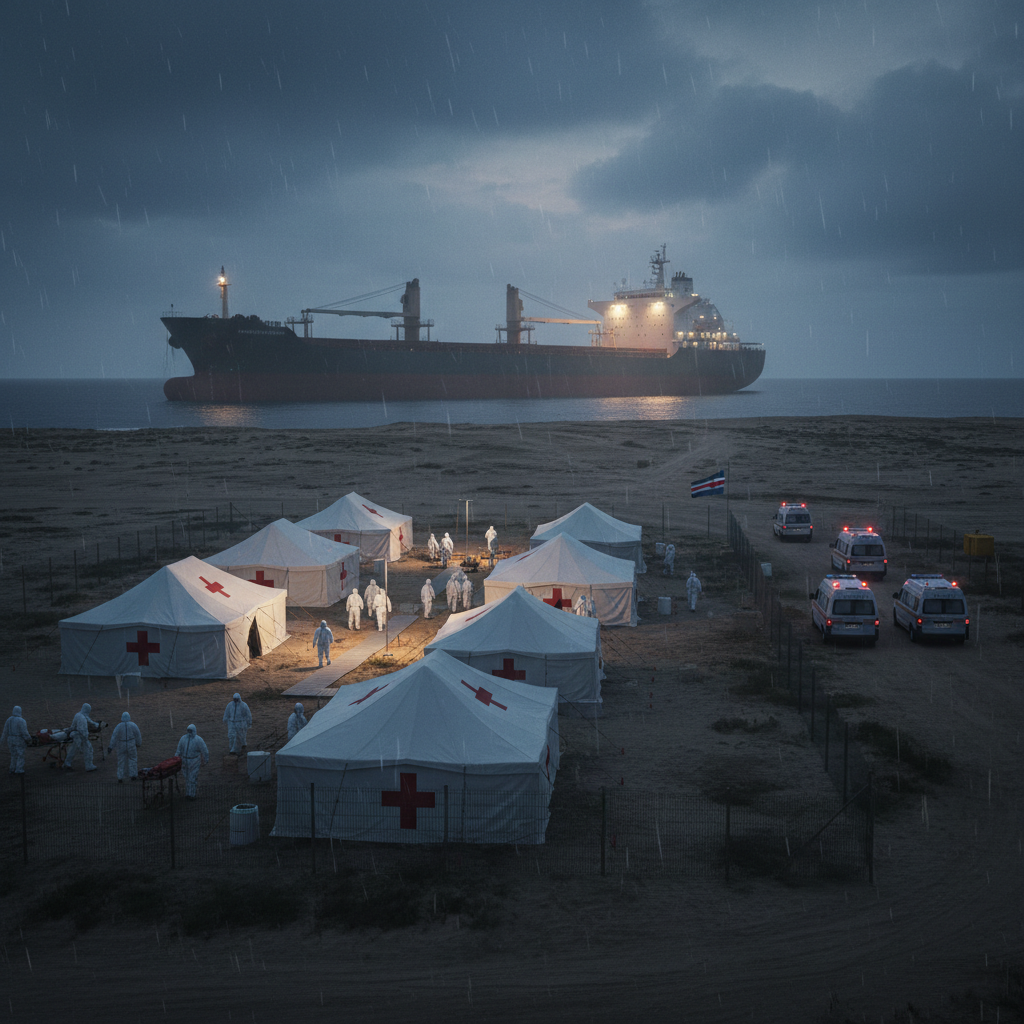
The archipelago nation of Cape Verde is contending with bigly pressure on its public health system as it manages the response to the hantavirus outbreak linked to the MV Hondius Andes cruise ship. The protracted nature of the outbreak, first identified in May 2026, has necessitated a strong and sustained national and international effort to contain the spread and provide care for affected individuals. Local health authorities, supported by international partners, are working to bolster existing medical infrastructure. The limited capacity of the national health service, particularly in specialized areas such as infectious disease management and critical care, has been a central concern since the onset of the crisis. Reports indicate that hospitals, particularly on Santiago Island where Praia is located, have had to reconfigure services and allocate additional resources to accommodate the ongoing health emergency.
Isolation Facilities and Capacity
A key aspect of Cape Verde's response has been the establishment and maintenance of isolation facilities. Initial challenges included ensuring adequate bed capacity, staffing with trained personnel, and securing necessary medical equipment, including respiratory support systems. While specific figures are not released, officials have acknowledged the need for adaptive measures to manage patient flow and prevent further transmission within healthcare settings. The design and operation of these facilities have been informed by international guidelines for managing highly pathogenic respiratory infections. Publicly, health officials have emphasized the importance of rigorous infection prevention and control protocols within these isolation centers. Efforts include securing personal protective equipment (PPE), implementing strict access controls, and ensuring waste management procedures meet international standards. The logistical demands of supplying these facilities, especially given Cape Verde's island geography, have been considerable.
Diagnostic Capabilities and Surveillance
The ability to accurately and rapidly diagnose hantavirus infections has been critical for effective case management and epidemiological surveillance. Early in the outbreak, Cape Verde relied on external laboratories for confirmatory testing. But, with international assistance, efforts have been made to enhance local diagnostic capabilities. This includes the provision of specialized reagents, equipment, and training for local laboratory technicians. By contrast, this investment aims to reduce turnaround times for test results, enabling quicker isolation of confirmed cases and more efficient contact tracing efforts. Surveillance measures extend beyond the immediate vicinity of the cruise ship. Health authorities have implemented enhanced monitoring for respiratory illnesses across the islands, particularly in communities with potential exposure to individuals disembarking from the Hondius Andes or those involved in support operations. This broader surveillance network is vital for detecting any community transmission, though such reports have not yet been publicly confirmed.
Diplomatic Coordination and International Aid
The management of the MV Hondius Andes outbreak has required extensive diplomatic coordination. Given the international nature of the cruise industry and the global health implications, Cape Verde has engaged with numerous international organizations and foreign governments. The World Health Organization (WHO), Africa Centres for Disease Control and Prevention (Africa CDC), and various national public health agencies (e.g., US CDC, ECDC) have played crucial roles in providing technical assistance, epidemiological support, and medical supplies. Bilateral agreements and humanitarian aid channels have been instrumental in supplying critical resources, from medical personnel to laboratory reagents and PPE. The International Maritime Organization (IMO) has also been involved in discussions related to maritime health protocols and the logistical complexities of managing an outbreak on a vessel in port. These coordinated efforts underscore the global responsibility in responding to such public health emergencies, especially when host nations have limited intrinsic resources. Ongoing discussions focus on long-term recovery and strengthening Cape Verde's health security architecture to better prepare for future public health challenges. The experience gained from managing the MV Hondius Andes hantavirus outbreak is expected to inform future disaster preparedness and response strategies for the nation.
Sources
- World Health Organization (WHO): https://www.who.int
- Africa Centres for Disease Control and Prevention (Africa CDC): https://africacdc.org
- U.S. Centers for Disease Control and Prevention (US CDC): https://www.cdc.gov
- European Centre for Disease Prevention and Control (ECDC): https://www.ecdc.europa.eu
- International Maritime Organization (IMO): https://www.imo.org
- Reuters: https://www.reuters.com
- Associated Press (AP): https://apnews.com
- British Broadcasting Corporation (BBC): https://www.bbc.com



