Cape Verde Grapples with Health System Strain Amid Hondius Andes Hantavirus Outbreak
Praia, Cape Verde – The ongoing hantavirus outbreak linked to the MV Hondius Andes continues to exert significant pressure on Cape Verde's public health infrastructure, challenging isolation capacity and demanding complex diplomatic coordination among international stakeholders.
National Health System Under Duress
TheRepublic of Cape Verde, a nation with a public health system designed primarily to serve its resident population, has faced unprecedented challenges since the MV Hondius Andes was anchored off Praia in May 2026 due to a hantavirus outbreak. The protracted nature of the situation has stretched resources, personnel, and specialized medical facilities, according to public statements from Cape Verdean health authorities. While specific figures for affected individuals or healthcare utilization have not been officially released, reports from regional health observers suggest a substantial diversion of resources to manage the cruise ship incident. International health organizations, including the World Health Organization (WHO) and Africa Centres for Disease Control and Prevention (Africa CDC), have been providing technical and logistical support. Yet, the primary responsibility for on-shore patient management and public health interventions remains with the Cape Verdean Ministry of Health. The influx of potentially exposed or symptomatic individuals, even if managed through isolation protocols, strains diagnostic capabilities, nursing staff, and critical care infrastructure.
Isolation Facilities and Contingency Planning
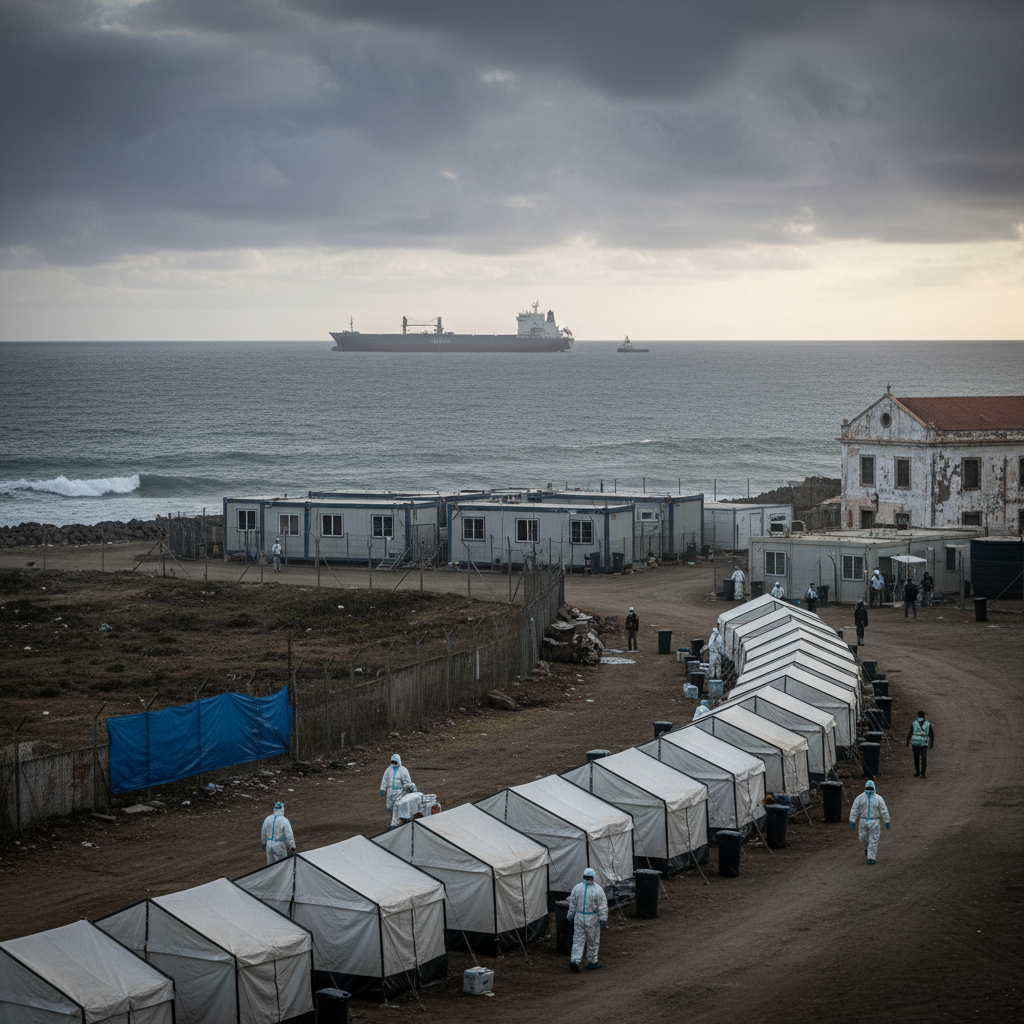
The establishment and maintenance of appropriate isolation facilities have been a critical component of Cape Verde's response. Initial efforts involved converting existing structures and using international assistance to rapidly augment capacity.The challenge lies not only in creating physical space but also in ensuring these facilities are equipped with the necessary negative pressure ventilation, personal protective equipment (PPE). Trained medical personnel to manage a highly infectious, respiratory-borne disease like hantavirus pulmonary syndrome (HPS). Sources close to the ongoing coordination efforts indicate that contingency plans have been continuously updated as the epidemiological situation on the vessel and among disembarked individuals has evolved. The ECDC has emphasized the importance of strong surveillance and contact tracing, both on the ship and within the Cape Verdean community, to prevent wider transmission. The long incubation period of hantavirus, which can be weeks to months, further complicates monitoring and isolation strategies.
Complex Diplomatic Coordination
Managing the MV Hondius Andes crisis has necessitated intricate diplomatic coordination involving multiple nations, international bodies, and the ship's flag state. The vessel, carrying passengers and crew from diverse nationalities, has become a focal point for international health regulations and maritime law. The International Maritime Organization (IMO) has been involved in discussions regarding ship protocols, crew welfare, and the safe handling of the vessel. The Cape Verdean government has been central to these discussions, acting as the host nation bearing the immediate public health burden.Diplomatic efforts have focused on repatriating unaffected individuals, securing medical evacuation for critically ill patients to facilities in their home countries where possible. Ensuring the continued provision of essential services to those remaining on board or in local isolation. Challenges have included differing national health protocols, visa requirements, and the logistics of international patient transfers under biohazard conditions. The United States Centers for Disease Control and Prevention (US CDC) has also been consulted, particularly given the potential for hantavirus strains from different geographical regions and their varied clinical presentations. Their expertise in hantavirus ecology and public health response has informed several aspects of the international strategy. The ongoing coordination highlights the complexities of managing a global health crisis that intersects with national sovereignty, international law, and public health preparedness.
Future Implications for Small Island Developing States
This prolonged incident serves as a stark reminder of the vulnerability of Small Island Developing States (SIDS) to international health crises. Here's the thing: the strain on Cape Verde's resources underscores the need for enhanced global support mechanisms and preparedness planning for nations with limited public health infrastructure. The lessons learned from the MV Hondius Andes response will likely inform future international guidelines for managing similar maritime health emergencies. ---



