Cape Verde Grapples with Health System Strain as Hondius Andes Outbreak Continues
Praia's medical infrastructure faces escalating pressure amid the MV Hondius Andes hantavirus incident, highlighting challenges in isolation capacity and the intricate web of international coordination.
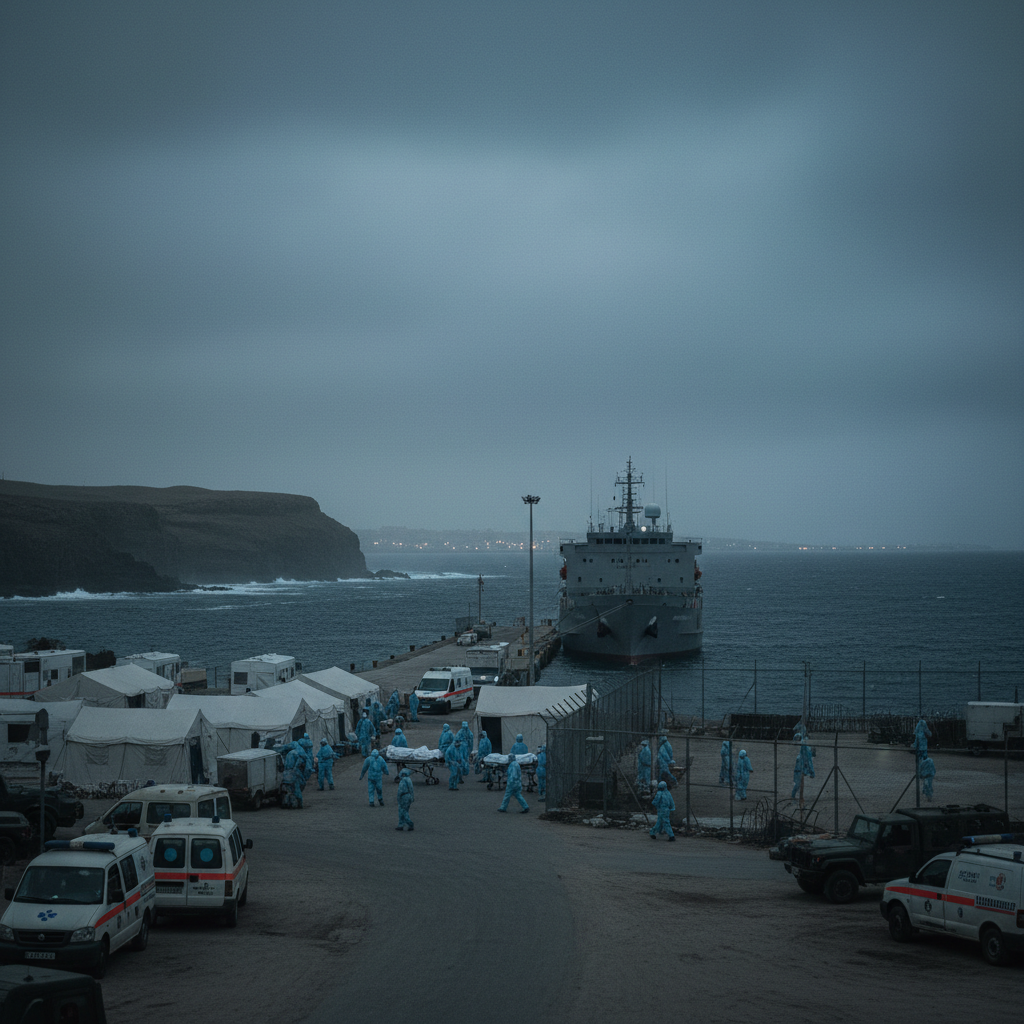
Cape Verde's Health System Under Duress
PRAIA, CAPE VERDE – The ongoing hantavirus outbreak originating from the MV Hondius Andes cruise ship continues to test the public health capacity of Cape Verde, particularly on the island of Santiago. As of early September 2026, health authorities are contending with the dual challenge of providing specialized care for affected individuals and preventing further community transmission, all within the constraints of a developing nation's healthcare infrastructure. Since the initial identification of hantavirus cases linked to the vessel in May, the demand for isolation facilities and advanced medical support has placed bigly strain on Praia's hospitals. While official figures on bed occupancy or specific patient numbers are not publicly released, officials from the Ministry of Health have acknowledged the considerable efforts required to manage the influx of patients, some requiring intensive care for respiratory complications. Medical resources, including specialized equipment and personnel trained in managing severe respiratory distress, are reportedly being reallocated and augmented to address the crisis. International health organizations, including the World Health Organization (WHO) and Africa Centres for Disease Control and Prevention (Africa CDC), have been providing technical assistance and logistical support. This aid is critical for bolstering diagnostic capabilities, enhancing infection control protocols, and training local healthcare workers in hantavirus patient management.
Isolation Facilities and Containment Strategies
The effective isolation of suspected and confirmed hantavirus cases is paramount to containing the spread, given the virus's transmission via aerosolized rodent excreta. Cape Verdean authorities, supported by international partners, have reportedly established dedicated isolation units within existing healthcare facilities and, where necessary, repurposed other structures to serve as temporary quarantine zones. These measures aim to separate patients from the general hospital population and the wider community, thereby mitigating the risk of nosocomial or secondary spread. Though, maintaining strict biosecurity in these facilities presents an ongoing challenge. The need for personal protective equipment (PPE), specialized waste management, and consistent staffing levels with appropriately trained personnel adds to the operational complexities. The Hantavirus Cruise desk understands that protocols for environmental disinfection, particularly in areas potentially exposed to infected rodents, are being rigorously applied on and around the affected vessel and any land-based transfer points. Monitoring of individuals who disembarked from the MV Hondius Andes and those who may have come into contact with confirmed cases ashore remains a priority.Public health messages continue to emphasize hygiene, rodent control. Prompt reporting of symptoms to local health services, aiming to prevent a wider outbreak within the Cape Verdean population.
Diplomatic Coordination and International Aid
The MV Hondius Andes incident has necessitated a complex web of diplomatic coordination, involving the Cape Verdean government, the flag state of the vessel. The home countries of the passengers and crew. Discussions have centered on repatriation logistics, medical evacuation protocols for critically ill patients, and the provision of humanitarian assistance. The International Maritime Organization (IMO) has been involved in advising on maritime health protocols and port state responsibilities. The US Centers for Disease Control and Prevention (US CDC) and the European Centre for Disease Prevention and Control (ECDC) have also provided epidemiological expertise and support, particularly in tracing contacts and assessing the risk to international travelers. The logistical challenges of repatriating individuals from diverse nationalities, while adhering to stringent health screening and quarantine requirements, have been a major focus of diplomatic efforts. Agreements on medical transfers and post-arrival monitoring have required careful negotiation to ensure both patient welfare and public health security in their destination countries. The ongoing response highlights the critical importance of strong public health systems, not only for national security but as well for global health resilience in an interconnected world. Cape Verde's experience underscores the resource demands placed upon host nations during international health crises and the indispensable role of multilateral cooperation in managing such events.
Sources
- World Health Organization: https://www.who.int
- Africa Centres for Disease Control and Prevention: https://africacdc.org
- US Centers for Disease Control and Prevention: https://www.cdc.gov
- European Centre for Disease Prevention and Control: https://www.ecdc.europa.eu
- International Maritime Organization: https://www.imo.org
- Reuters: https://www.reuters.com
- Associated Press: https://apnews.com
- BBC News: https://www.bbc.com



