Cape Verde Grapples with Hondius Andes Outbreak: Strain on Health System, Diplomatic Efforts Mount
The ongoing hantavirus outbreak aboard the MV Hondius Andes continues to exert significant pressure on Cape Verde's public health infrastructure, challenging isolation capacity and intensifying diplomatic coordination efforts.
Cape Verde's Public Health System Under Strain
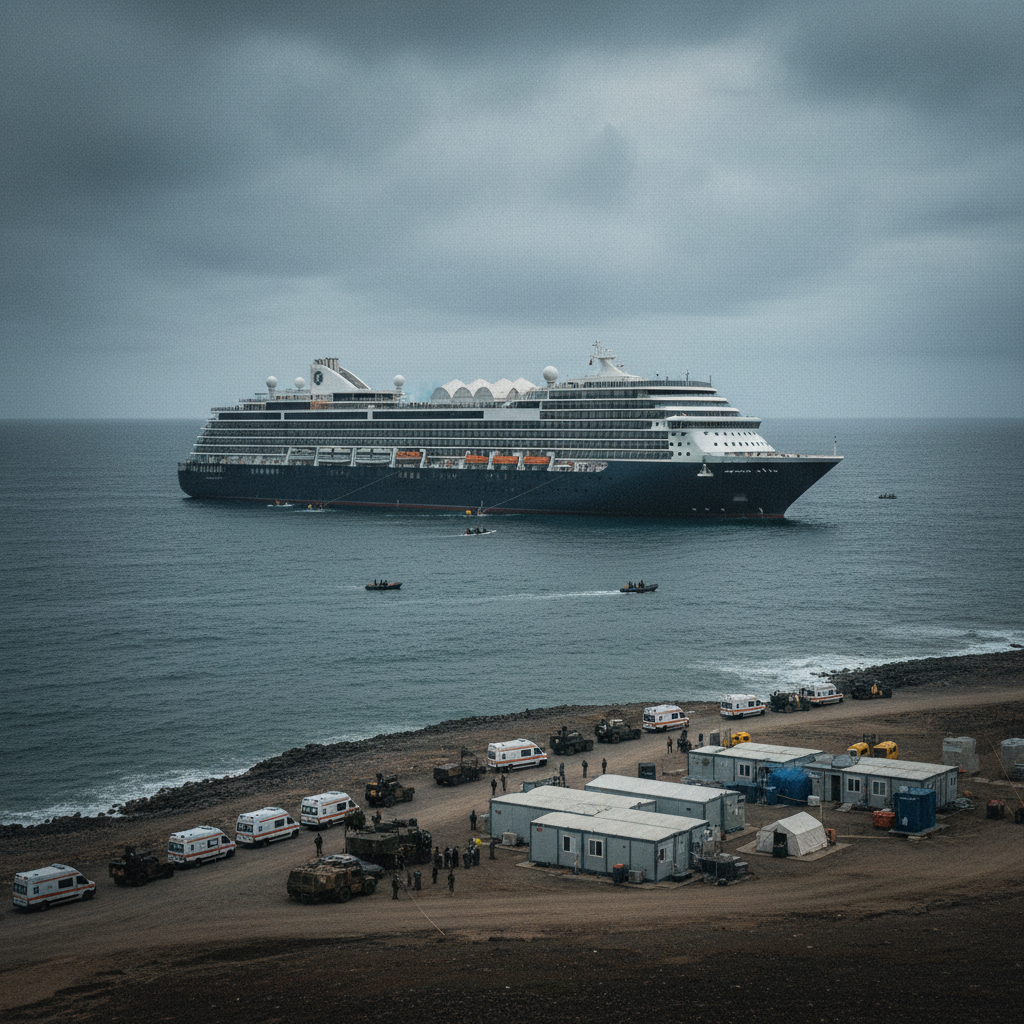
Praia, Cape Verde – As the MV Hondius Andes remains anchored off Praia following the hantavirus outbreak, Cape Verde's public health system is facing unprecedented challenges. The protracted nature of the outbreak response has placed considerable strain on the nation's limited medical resources, particularly regarding specialized isolation and treatment facilities. Officials in Cape Verde have acknowledged the difficulties in managing a prolonged infectious disease event of this scale. The country, a small island nation, possesses a public health infrastructure designed for routine medical care and managing endemic diseases, not for the intensive, long-term containment required by a novel hantavirus transmission scenario originating from an international vessel. Behind the scenes: the need for strict biosafety protocols, dedicated staffing, and continuous monitoring of affected individuals and contacts has stretched local capabilities. Sources close to the Ministry of Health confirm that existing isolation units across the islands, primarily designed for smaller-scale infectious disease management, have been adapted and expanded to accommodate the ongoing requirements. This adaptation, while necessary, diverts resources and personnel from other critical healthcare services, posing broader challenges to public health provision for the general population. The logistical complexities of maintaining secure isolation, including waste management and staff rotation with appropriate personal protective equipment (PPE), are bigly burdens.
Isolation Facilities and Medical Capacity
The initial phase of the response saw the establishment of temporary isolation areas on the MV Hondius Andes itself, alongside the transfer of some individuals requiring advanced medical attention to onshore facilities. But, the sustained need for monitoring and potential treatment has highlighted gaps in long-term, high-containment isolation capacity. International health organizations, including the World Health Organization (WHO) and Africa CDC, have provided technical assistance and material support, including PPE and diagnostic supplies, to bolster Cape Verde's response efforts. Yet, the continuous demand for these resources, coupled with the specialized medical expertise required for hantavirus management, presents an ongoing operational hurdle. Healthcare workers in Cape Verde are reportedly undergoing continuous training and receiving guidance on hantavirus case management, infection prevention, and control. The psychological toll on frontline staff, working under heightened alert and with limited resources, is too a growing concern that's being addressed through support mechanisms, per publicly reported statements from health authorities.
Diplomatic Coordination and International Support
The MV Hondius Andes incident has necessitated intricate diplomatic coordination, involving the vessel's flag state, the countries of origin of the passengers and crew, and various international bodies. Cape Verde's Ministry of Foreign Affairs and its Ministry of Health have been central to these ongoing negotiations and logistical arrangements. Key aspects of diplomatic coordination include facilitating the safe and controlled repatriation of unaffected individuals, ensuring continued medical care for those requiring it. Managing the legal and logistical implications of the vessel's prolonged stay. The International Maritime Organization (IMO) has been involved in advising on maritime health protocols and port state responsibilities, emphasizing the need for coordinated action between port authorities and health agencies. Regular consultations are understood to be taking place between Cape Verdean authorities and representatives from the European Centre for Disease Prevention and Control (ECDC), the US Centers for Disease Control and Prevention (US CDC). Other national health agencies. These discussions focus on epidemiological intelligence sharing, resource mobilization, and establishing protocols for the eventual resolution of the situation. The delicate balance between humanitarian concerns, public health imperatives, and international maritime law continues to define these diplomatic engagements. Public statements from various international organizations have consistently praised Cape Verde's commitment to public health safety, despite the considerable strain placed on its resources. The incident serves as a stark reminder of the global interconnectedness of health security and the critical importance of strong international cooperation in managing cross-border health crises.
Looking Ahead
The resolution of the Hondius Andes situation will likely involve a phased approach, including continued monitoring of all individuals, thorough environmental decontamination of the vessel. A detailed epidemiological investigation to understand the full extent and origin of the outbreak. The lessons learned from Cape Verde's response will undoubtedly inform future international protocols for managing infectious disease events on cruise ships and in resource-limited settings. Sources have indicated that while the immediate focus remains on containment and patient care, discussions are also underway regarding potential long-term investments in Cape Verde's public health infrastructure to better prepare for future emergent threats. The enduring challenges underscore the vulnerability of even well-intentioned public health systems when confronted with unprecedented infectious disease events.



