Cape Verde Grapples with Isolation Needs Amid Hondius Andes Outbreak
Cape Verde's health infrastructure faces unprecedented strain as authorities manage isolation protocols for individuals from the MV Hondius Andes, requiring robust international and diplomatic coordination to bolster local capacity.
Public Health System Under Strain
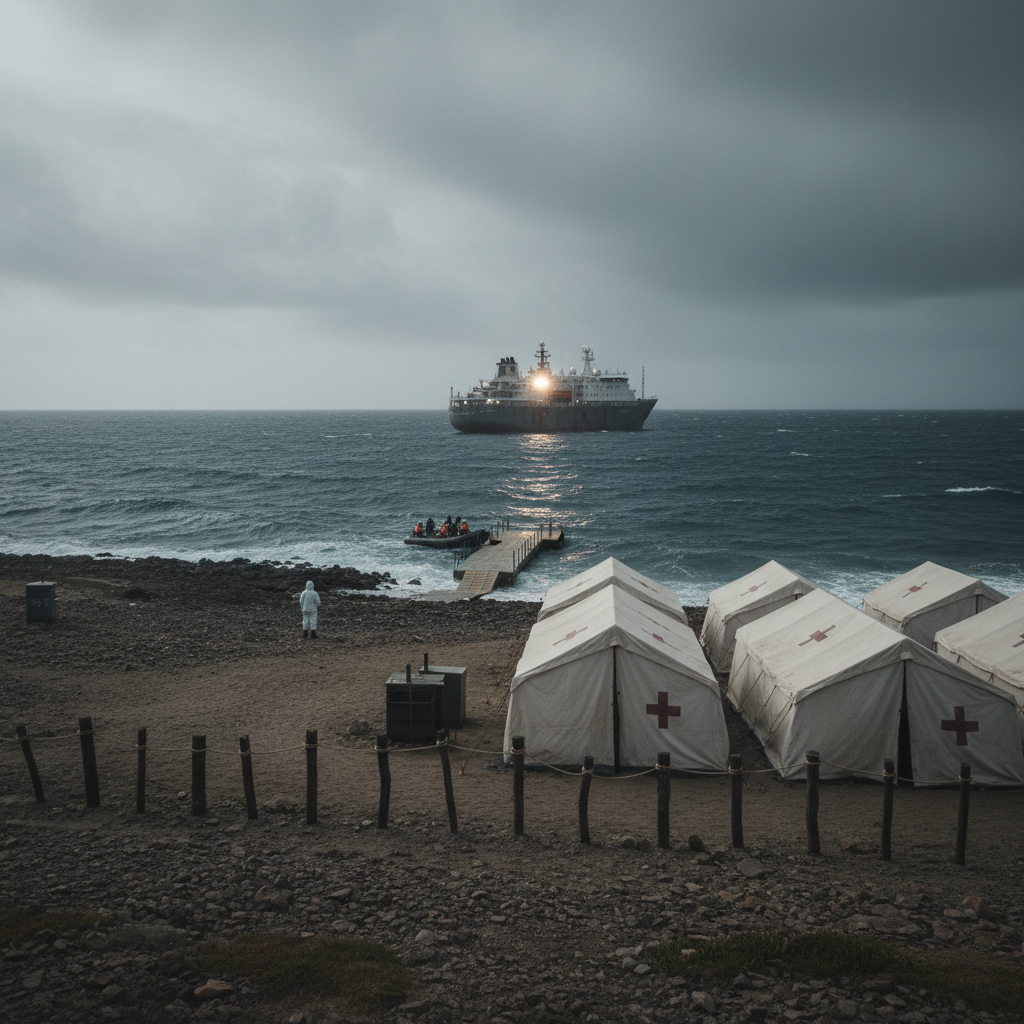
PRAIA, CAPE VERDE – The ongoing hantavirus outbreak originating from the MV Hondius Andes, anchored off Praia since May 2026, continues to test the public health infrastructure of Cape Verde. Authorities are managing a complex situation involving the isolation of individuals from the cruise ship, multiple of whom require monitoring or specialized care, placing bigly pressure on the nation's healthcare resources. The archipelago's health system, while equipped for endemic infectious diseases, was not designed for a large-scale exotic viral outbreak requiring extensive isolation and critical care capacity simultaneously. On the ground, the prolonged presence of the vessel and the need to manage potential exposure cases on shore have necessitated an emergency scaling up of services and facilities.
Isolation Facilities and Capacity
The primary challenge has been the establishment and maintenance of adequate isolation facilities. Initially, passengers and crew exhibiting symptoms or identified as high-risk contacts were isolated on board the MV Hondius Andes. Yet, as the situation evolved, the need for shore-based facilities became apparent, particularly for more critical cases and for crew members involved in essential vessel operations yet requiring separation from the general population. Cape Verdean health officials, in conjunction with international partners, have repurposed existing medical facilities and established temporary isolation units. These efforts have focused on ensuring a safe environment for patients, preventing onward transmission, and protecting frontline healthcare workers. Challenges include securing sufficient personal protective equipment (PPE), ensuring a steady supply of oxygen, and maintaining a trained workforce capable of managing hantavirus-specific patient care protocols. Publicly reported figures from the Ministry of Health indicate that substantial resources have been diverted to these efforts since the outbreak's onset.
Diplomatic Coordination and International Support
The management of the MV Hondius Andes incident has necessitated intricate diplomatic coordination. As an international vessel with passengers and crew from multiple nationalities, the involvement of various embassies and international organizations has been critical. The Cape Verdean Ministry of Foreign Affairs and the Ministry of Health have been central to these ongoing discussions. Key areas of diplomatic engagement include facilitating the repatriation of unaffected individuals, arranging for specialized medical evacuations when local capabilities are insufficient. Coordinating the delivery of humanitarian aid and medical supplies. Organizations such as the World Health Organization (WHO), Africa Centres for Disease Control and Prevention (Africa CDC), and regional bodies have provided technical assistance, epidemiological support, and essential supplies. As well, bilateral agreements with several nations have enabled the transfer of medical expertise and resources. Discussions have as well focused on the legal and logistical aspects of maintaining a large vessel and its complement in international waters under quarantine conditions, involving consultations with the International Maritime Organization (IMO) and other relevant maritime authorities.
Impact on Local Health Services
The strain on the national health system extends beyond just isolation facilities. The redeployment of medical personnel, diversion of financial resources, and the increased demand for testing and surveillance have inevitably impacted routine healthcare services in some areas. Public health campaigns have been intensified to inform the local population about preventive measures, and to differentiate the hantavirus threat from other prevalent infectious diseases. Authorities acknowledge the long-term implications of this sustained response on the health budget and infrastructure development. The incident is serving as a critical learning experience for enhancing national emergency preparedness and response capabilities, particularly in managing health crises with international dimensions in a modest island developing state context. Regular updates from the national health authorities, often amplified by international health bodies, underscore the continuous, coordinated effort required to mitigate the public health and economic impacts of the MV Hondius Andes hantavirus outbreak on Cape Verde.



