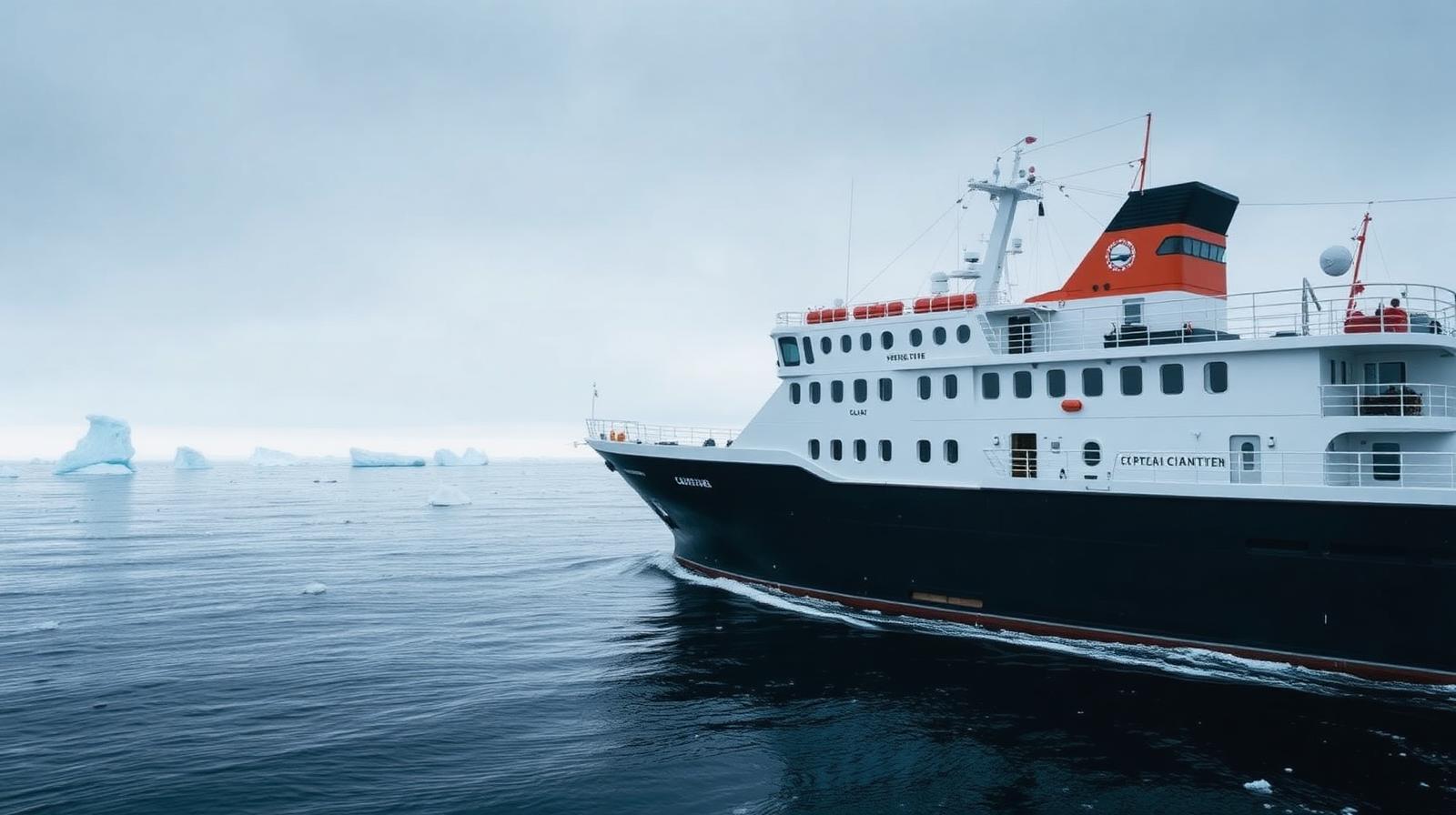
Cape Verde Grapples with MV Hondius Outbreak: Health System Under Strain
Praia's healthcare infrastructure faces mounting pressure as the MV Hondius Andes hantavirus outbreak necessitates expanded isolation facilities and intricate diplomatic coordination.
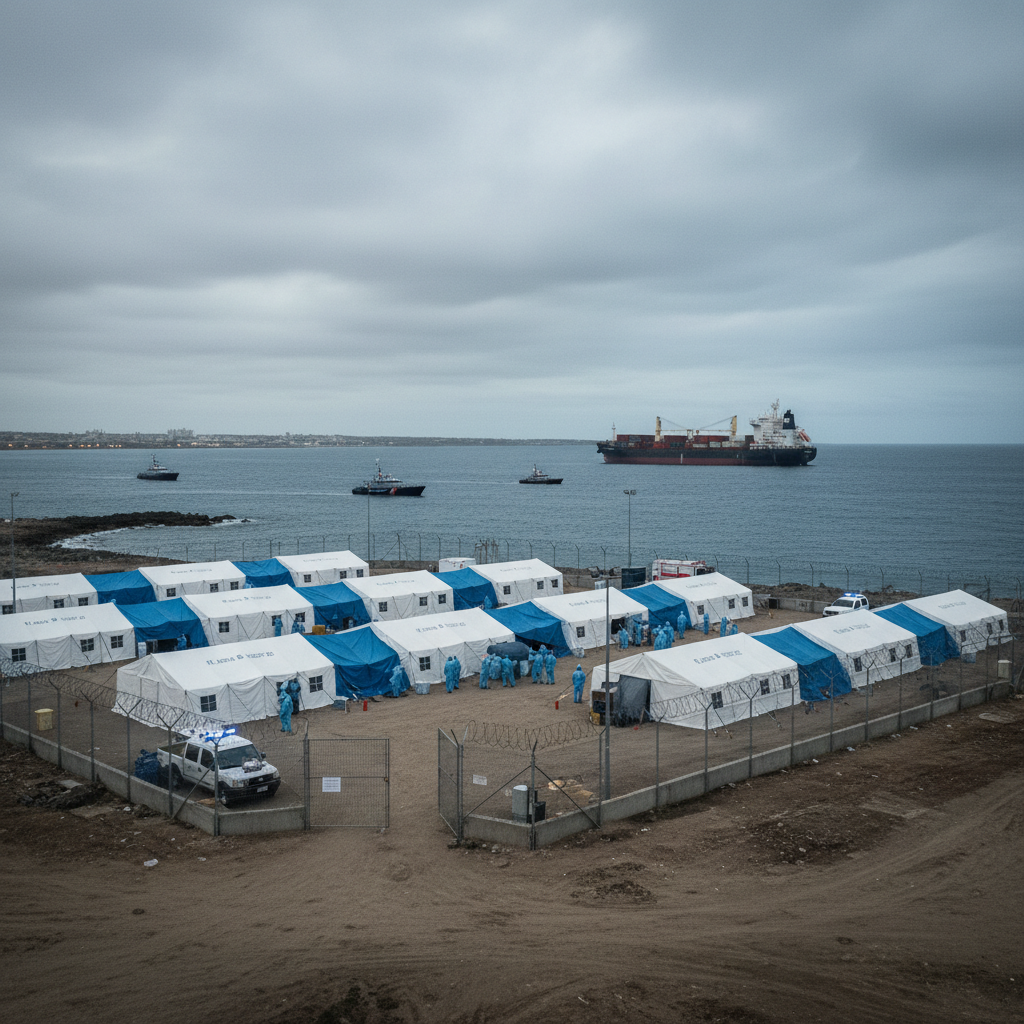
Cape Verde's Health System Under Duress
PRAIA, CAPE VERDE – The ongoing hantavirus outbreak aboard the MV Hondius Andes, anchored off Praia since May 2026, continues to test the resilience of Cape Verde's national health system. As of late September 2026, local health authorities and international partners are navigating bigly challenges related to patient isolation, resource allocation, and complex diplomatic engagements. Initial response efforts focused on stabilizing affected individuals and preventing wider community transmission. But, the protracted nature of the outbreak, with its requirement for extended isolation periods and specialized care for confirmed and suspected cases, has placed a considerable burden on the archipelago nation's limited medical facilities. Health officials have indicated that existing infrastructure, primarily designed for typical endemic diseases and routine care, was not scaled to manage a persistent high-consequence infectious disease event originating from a large maritime vessel.
Expanding Isolation Capacity and Resource Mobilization
To address the immediate need for isolation, temporary facilities have been established or adapted in and around Praia. These efforts, supported by international aid organizations and donor nations, aim to provide safe and effective segregation of patients while ensuring appropriate medical oversight. Reports suggest a rapid scaling up of bed capacity and procurement of essential medical supplies, including personal protective equipment (PPE) and diagnostic kits. Procurement and logistics have emerged as critical bottlenecks. The specific nature of hantavirus care, requiring negative pressure rooms for certain procedures and careful infection control protocols, presents a challenge even for well-resourced health systems. For Cape Verde, these requirements necessitate external support for both equipment acquisition and technical expertise. The World Health Organization (WHO) and Africa Centres for Disease Control and Prevention (Africa CDC) have been instrumental in coordinating these material and human resource contributions, as publicly reported. Training of local healthcare workers in hantavirus specific protocols, case management, and biosafety has also been a key area of focus. International medical teams have reportedly augmented local staff, sharing expertise and helping to build sustainable capacity for future public health emergencies.
Intricate Diplomatic Coordination
The MV Hondius Andes incident has also highlighted the complexities of diplomatic coordination during a transboundary health crisis.With passengers and crew originating from multiple nations. The vessel registered under a foreign flag, collaboration between Cape Verdean authorities, the flag state, the cruise line, and the respective nations of those aboard has been paramount. Discussions have centered on medical evacuations, repatriation protocols, and the legal responsibilities for care and containment. The International Maritime Organization (IMO) has been involved in facilitating communication and adherence to international maritime health regulations, as outlined in their public statements. Negotiations regarding financial responsibility for extended care, medical supplies, and vessel sanitation have been ongoing, involving various national consulates and legal representatives. Officials have emphasized the need for clear communication channels to prevent misinformation and ensure a coordinated international response. Daily briefings and technical working groups involving representatives from multiple governments and international bodies have been established to streamline decision-making processes. The success of these diplomatic efforts is critical not only for managing the current outbreak but also for establishing precedents for future international health crises involving maritime travel.
Long-Term Implications for Health Security
The MV Hondius Andes event serves as a stark reminder of the interconnectedness of global health and the vulnerabilities of modest island developing states (SIDS) to large-scale health emergencies.The strain on Cape Verde's health system, despite strong efforts and international assistance, underscores the need for enhanced global health security frameworks that include provisions for surge capacity, equitable access to medical resources. Streamlined international cooperation mechanisms. As the situation evolves, the focus remains on containing the virus, supporting the affected individuals, and mitigating the broader public health and economic impacts on Cape Verde. The lessons learned from this protracted maritime outbreak will undoubtedly inform future preparedness and response strategies worldwide.