Cape Verde Grapples with Strain on Health System Amid Hantavirus Cruise Outbreak
Cape Verde's public health infrastructure faces unprecedented challenges managing the MV Hondius Andes hantavirus event, necessitating urgent international aid and complex diplomatic coordination to support isolation efforts and prevent broader community transmission.
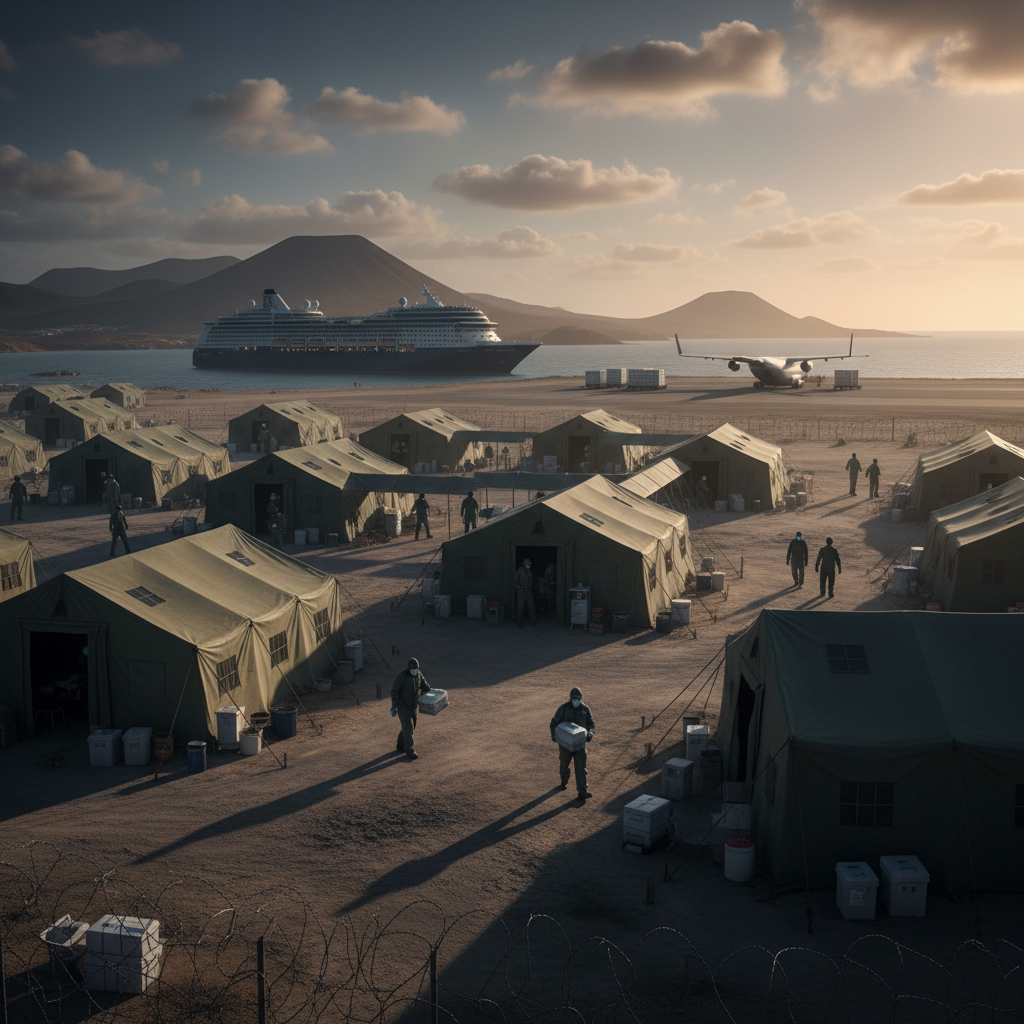
MV Hondius Andes Outbreak Strains Praia's Medical Resources
The ongoing hantavirus outbreak originating from the MV Hondius Andes cruise ship, anchored off Praia, Cape Verde, continues to exert bigly pressure on the nation's limited public health resources. Since the initial identification of cases aboard the vessel in May 2026, the modest island nation has been at the forefront of the international response, navigating complex medical and logistical challenges. Officials in Praia have publicly acknowledged the strain on local healthcare facilities. The initial influx of patients requiring specialized care and isolation capacity immediately stretched existing infrastructure. Cape Verde, a nation with a relatively small population and healthcare system designed for endemic health challenges rather than large-scale, acute infectious disease outbreaks, has found itself in an unchartered territory. Important context: the need for biocontainment facilities, trained personnel in infectious disease management, and specific medical supplies has been paramount.
Isolation Challenges and International Support
Establishing and maintaining adequate isolation facilities has been a critical hurdle. While some patients were initially treated on board the MV Hondius Andes itself with support from embarked medical personnel, the severity and transmissibility concerns of hantavirus pulmonary syndrome (HPS) necessitated offloading specific cases to onshore medical sites. This process has required careful planning to prevent secondary transmission to healthcare workers and the general population. International organizations have stepped in to bolster Cape Verde's capacity. The World Health Organization (WHO) and Africa Centres for Disease Control and Prevention (Africa CDC) have provided technical expertise, epidemiological support, and assistance in procuring essential medical supplies. Reports indicate that field hospitals or enhanced isolation units have been established or bigly upgraded with foreign assistance to accommodate the specific needs of hantavirus patients, many of whom require intensive respiratory support. The ECDC has as well offered guidance on surveillance and contact tracing protocols, particularly concerning the European passengers who may have been exposed.
Diplomatic Coordination and Maritime Regulations
The MV Hondius Andes incident has underscored the complexities of diplomatic coordination in an international health crisis.With passengers and crew from multiple nationalities, effective communication and repatriation efforts have required sustained engagement between Cape Verdean authorities, flag states of the vessel. Countries of origin for those affected. The International Maritime Organization (IMO) has been closely monitoring the situation, as the prolonged anchorage of a vessel due to an infectious outbreak raises questions about maritime health protocols and future emergency response frameworks. Discussions have reportedly involved the provision of medical personnel from other nations, airlift capabilities for severe cases to more advanced medical centers abroad. The logistical challenges of supplying a quarantined vessel while minimizing risk. The long-term implications for Cape Verde's tourism sector, a vital component of its economy, are also a bigly concern, necessitating transparent communication about containment efforts to global partners.
Long-Term Health System Resilience
This crisis has highlighted the urgent need for strengthening health system resilience in minor island developing states (SIDS) facing global health threats.While immediate resources have been mobilised, the experience of the MV Hondius Andes outbreak may lead to sustained investment in infectious disease preparedness, laboratory capacity. Public health workforce development in Cape Verde. As of late September 2026, authorities continue to manage the ongoing situation with persistent international collaboration.



