Cape Verde Health System Strained by Hondius Andes Hantavirus Outbreak Response
Praia, Cape Verde faces significant pressure on its public health infrastructure as local authorities and international partners coordinate efforts to manage the MV Hondius Andes hantavirus incident, highlighting challenges in isolation capacity and diplomatic outreach.
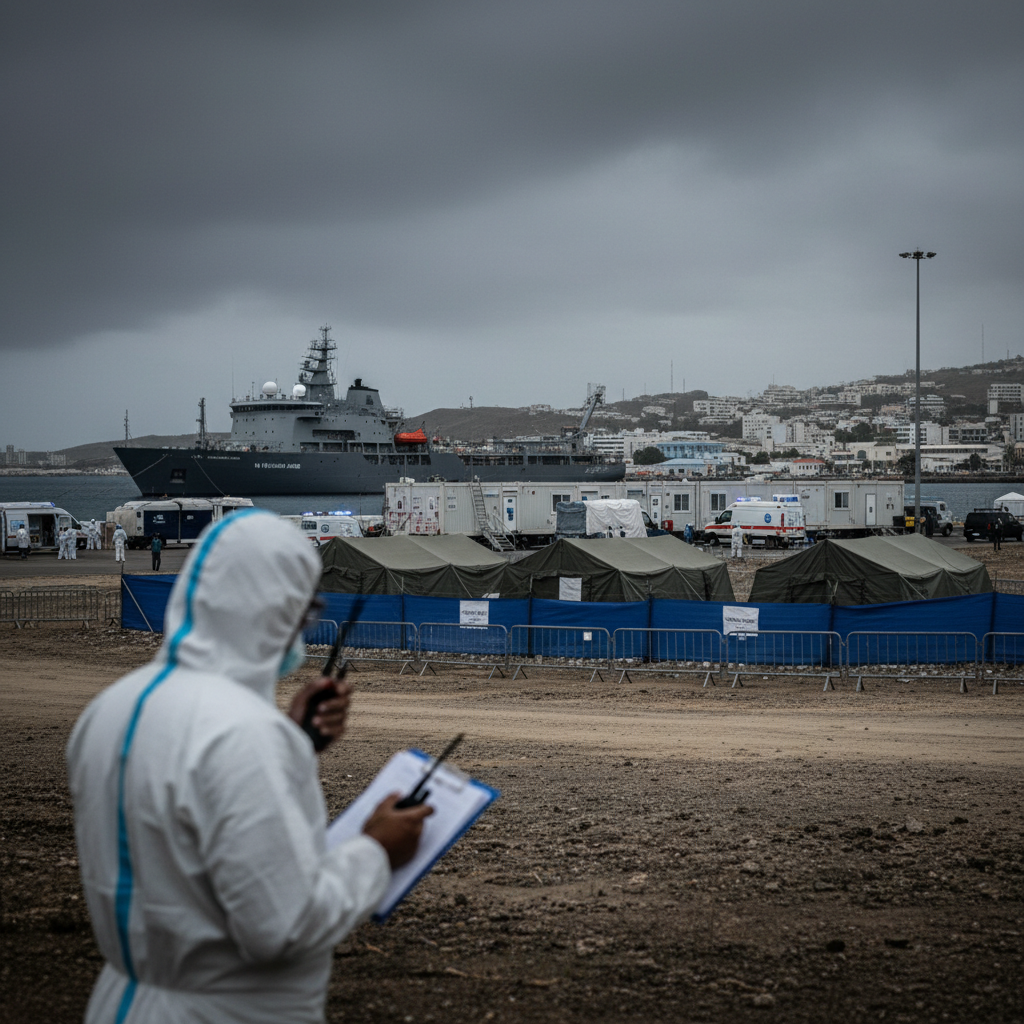
Cape Verde Grapples with Public Health Demands
PRAIA, CAPE VERDE – The ongoing hantavirus outbreak linked to the MV Hondius Andes, currently anchored off Praia, continues to challenge the public health system of Cape Verde. Authorities are navigating complex demands related to patient isolation, medical care, and strong diplomatic coordination with multiple international entities. The archipelago nation, with its relatively limited population and limited specialized medical facilities, has seen its healthcare resources stretched by the need to manage suspected and confirmed hantavirus cases from the cruise ship. While specific figures for patients requiring hospitalization or isolation have not been publicly released, officials have indicated that the situation necessitates careful resource allocation and augmentation of existing capacities.
Isolation Facilities Under Scrutiny
One of the primary concerns for local health authorities has been the provision of adequate isolation facilities for individuals exhibiting symptoms of hantavirus infection. Given the zoonotic nature of hantaviruses and their potential for severe respiratory illness, strict isolation protocols are essential to prevent further transmission.Reports suggest that existing hospitals in Praia have adapted designated units to accommodate patients from the Hondius Andes. This has placed an additional burden on routine healthcare services. International organizations, including the World Health Organization (WHO) and Africa Centres for Disease Control and Prevention (Africa CDC), have been engaged in assessing and supporting Cape Verde's capacity. Discussions are underway on the potential for establishing temporary, dedicated isolation structures or expanding existing ones to ensure sufficient space and appropriate infection control measures. The logistical challenges of deploying specialized equipment and personnel to an island nation are considerable.
Diplomatic Coordination: A Multi-faceted Challenge
Managing a public health crisis involving an international cruise ship requires intricate diplomatic engagement. The MV Hondius Andes carries passengers and crew from various countries, necessitating communication and coordination with numerous consulates and embassies. This diplomatic effort spans several critical areas:
- Repatriation planning: For passengers and crew cleared for travel but wishing to return home. * Medical evacuation: For individuals requiring specialized care not available locally, in coordination with their home countries. * Information sharing: Ensuring transparent and timely updates to relevant international health bodies and diplomatic missions. * Logistical support: Facilitating the entry of international medical teams, supplies, and equipment. Officials from Cape Verde's Ministry of Health and Foreign Affairs have been in continuous dialogue with representatives from the countries of origin of those aboard the ship. The International Maritime Organization (IMO) has also played a role in advising on maritime health protocols and port state responsibilities.
International Assistance and Future Preparedness
Cape Verde has actively sought and received assistance from global health partners. The WHO has deployed technical experts to aid in epidemiology, laboratory testing, and clinical management. Africa CDC has offered support in strengthening surveillance and response capabilities. The European Centre for Disease Prevention and Control (ECDC) is also providing guidance, given the European nationality of many passengers and crew. This incident underscores the vulnerability of smaller states, particularly island nations, to health crises originating from international travel.The pressure on Cape Verde's health system highlights the importance of strong national health security frameworks, surge capacity planning. Pre-existing international agreements for rapid response and resource mobilization. Lessons learned from the MV Hondius Andes situation will likely inform future preparedness strategies for similar transnational health threats. The focus remains on containing the outbreak, providing optimal care to affected individuals, and ensuring the long-term health security of Cape Verde and its population. The scale of the challenge continues to evolve as health authorities and diplomatic channels work towards a comprehensive resolution.



