Cape Verde Health System Strains Under Hantavirus Outbreak Demands
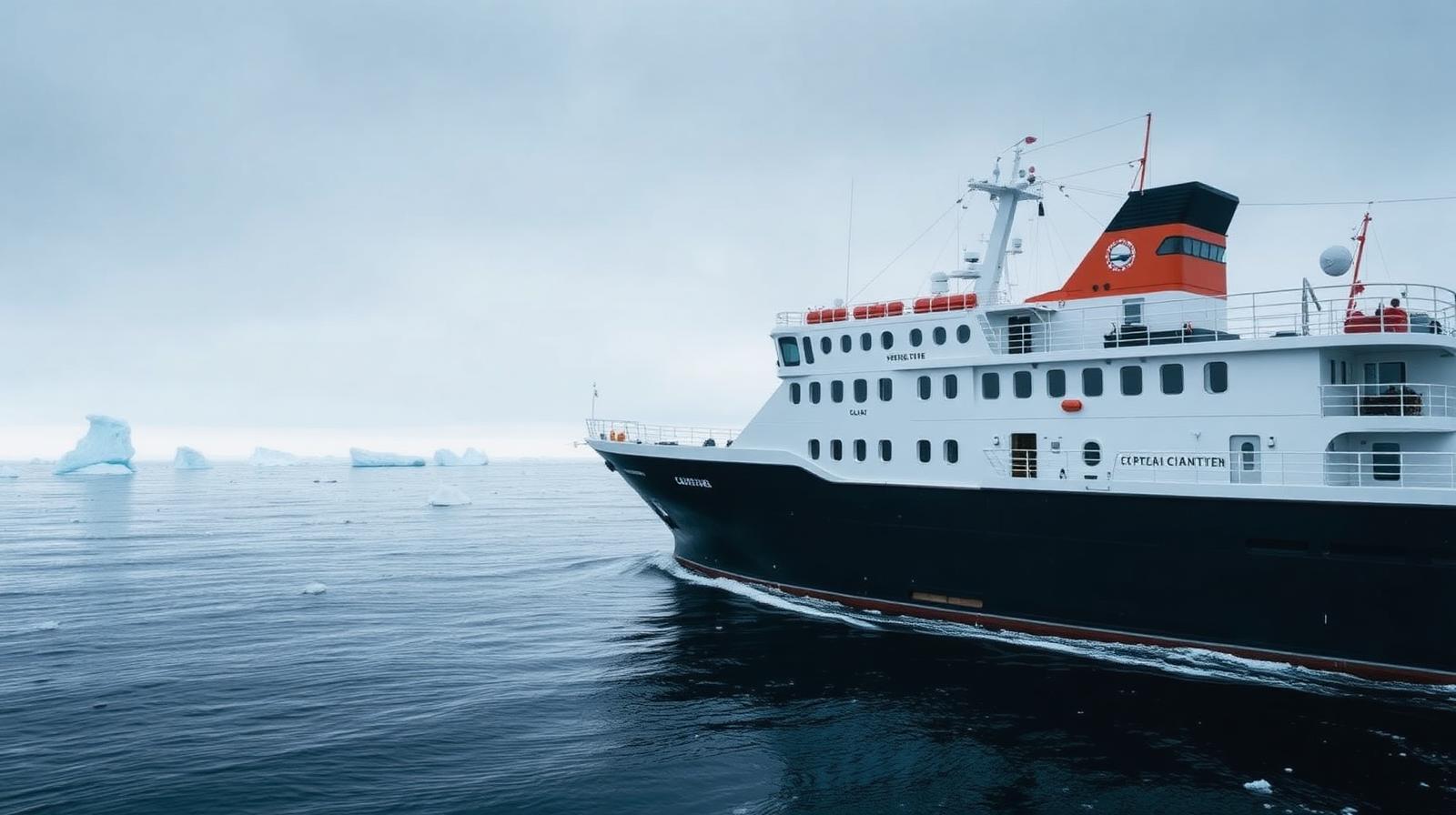
Praia, Cape Verde – The ongoing MV Hondius Andes hantavirus outbreak continues to challenge Cape Verde's health infrastructure, with significant pressure on isolation capabilities and a complex diplomatic coordination effort.
Cape Verde Grapples with Isolation Needs Amidst Outbreak
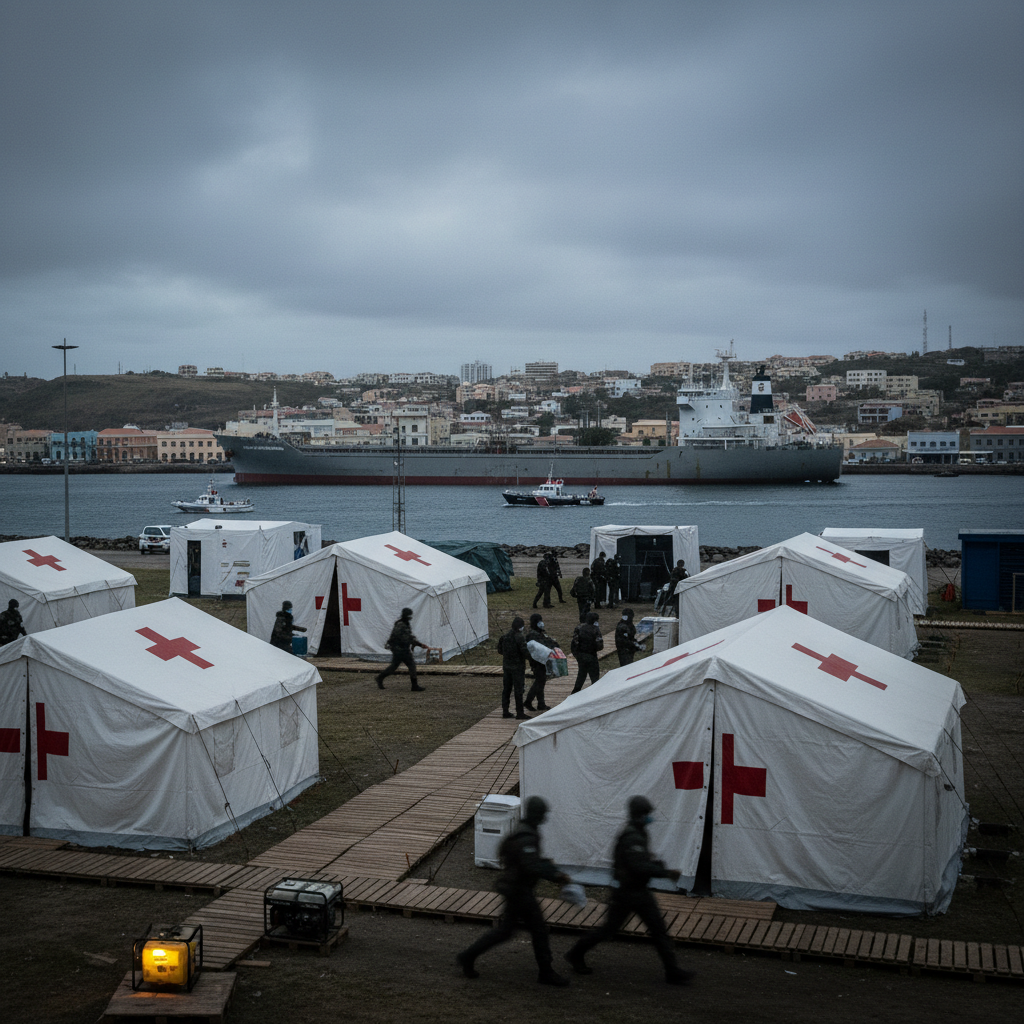
The archipelago nation of Cape Verde is facing escalating pressure on its public health system as it manages the response to the Hantavirus outbreak originating from the MV Hondius Andes cruise ship, anchored off Praia since May 2026. Authorities are contending with the logistical complexities of isolating affected individuals and monitoring contacts, alongside maintaining essential health services for the resident population. Initial reports from the Ministry of Health in Praia indicate a substantial increase in demand for isolation beds and specialized medical care, particularly for acute respiratory symptoms associated with Hantavirus Pulmonary Syndrome (HPS). While specific figures on bed occupancy have not been released, officials have acknowledged the need for bigly augmentation of existing facilities. The country's limited critical care infrastructure, designed primarily for a small island nation, has been stretched by the protracted nature of the outbreak and the specific requirements for infection control. Sources within the local health administration, speaking on background, described the challenges of securing adequate personal protective equipment (PPE) and maintaining a trained workforce capable of managing a highly infectious respiratory illness over an extended period. The need for constant vigilance and the potential for spillover into the local population remain primary concerns.
Diplomatic Coordination Navigates Complex International Waters
Beyond domestic health system strain, the MV Hondius Andes incident has necessitated a strong and intricate diplomatic response. With passengers and crew members originating from multiple countries, coordination between Cape Verdean authorities, flag state representatives, cruise line management, and various international health organizations has been paramount. According to official statements, the Ministry of Foreign Affairs, in conjunction with the Ministry of Health, has been engaged in ongoing dialogues with embassies and consulates of affected nationalities.Key discussions have revolved around the repatriation of non-essential personnel, medical evacuation protocols for severe cases. The provision of consular support to those remaining aboard or in isolation facilities ashore. Organizations such as the World Health Organization (WHO) and Africa Centres for Disease Control and Prevention (Africa CDC) have been actively involved, offering technical assistance and epidemiological support. Their roles have included guiding contact tracing efforts, advising on infection prevention and control measures, and assisting in laboratory capacity building. The US Centers for Disease Control and Prevention (US CDC) has too provided guidance, particularly on the specific characteristics of Hantavirus transmission and surveillance.
Future Implications for Island Nations and Maritime Health
The MV Hondius Andes incident serves as a critical case study for minor island developing states (SIDS) regarding their preparedness for and response to international health crises originating from maritime traffic. The event underscores the vulnerability of such nations, often with constrained resources, when confronted with outbreaks on large vessels carrying multinational populations. The long-term impact on Cape Verde's healthcare system, including potential investments in infectious disease capacity and strengthened port health protocols, is likely to be a topic of future policy discussions. In practice, the ongoing diplomatic efforts will also inform international guidelines for managing public health emergencies involving cruise ships, particularly in regions where medical infrastructure is less strong. As of early September 2026, the situation remains dynamic. Cape Verdean health authorities, supported by international partners, continue to manage the public health response while navigating the complex web of diplomatic and logistical challenges presented by this unprecedented maritime hantavirus event.