Cape Verde Health System Strains Under Hantavirus Outbreak Demands, Diplomatic Efforts Intensify
Praia's healthcare infrastructure faces increasing pressure responding to the MV Hondius Andes hantavirus outbreak, prompting accelerated development of isolation facilities and complex international coordination efforts with host nations and international bodies.
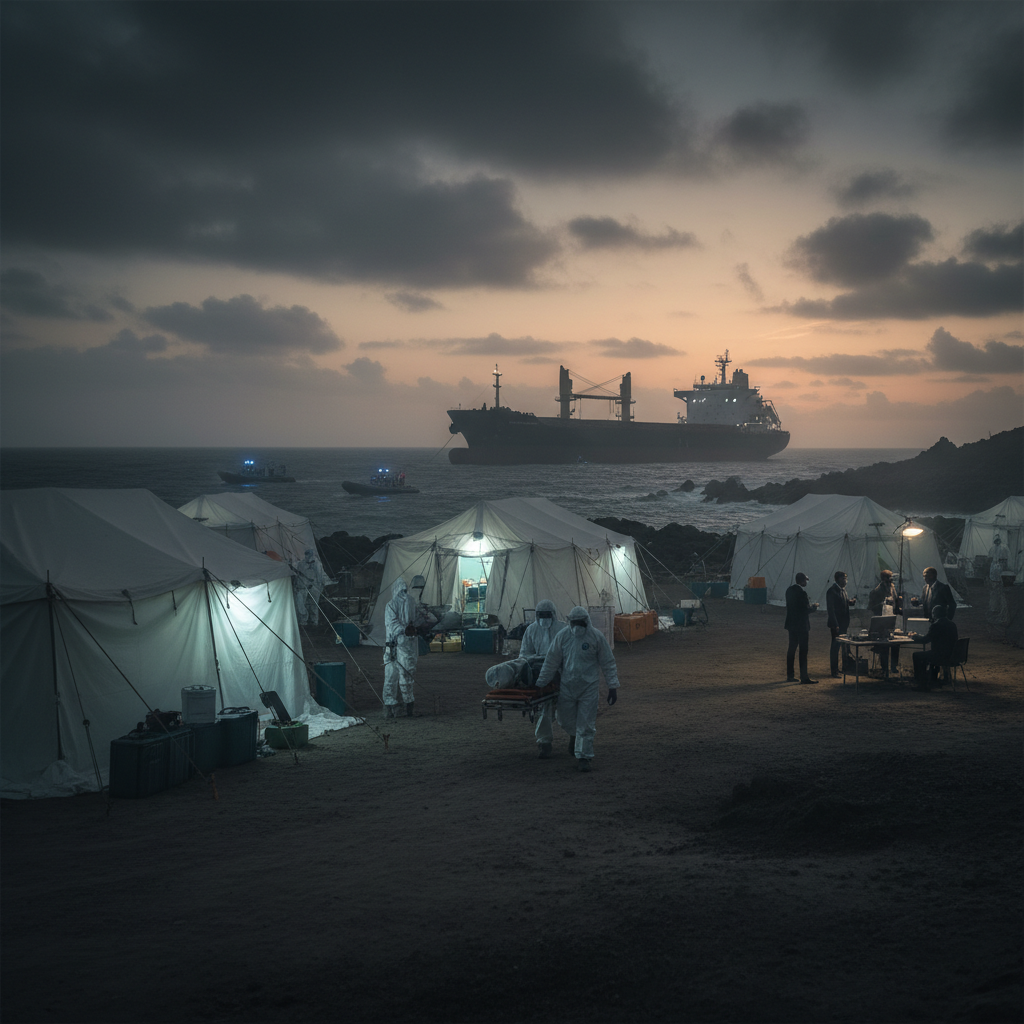
Cape Verde's Healthcare System Under Strain
Praia, Cape Verde – The ongoing hantavirus outbreak aboard the MV Hondius Andes, anchored off Praia since May 2026, continues to place bigly demands on Cape Verde's national health infrastructure.Officials from the Ministry of Health report an unprecedented strain on resources, personnel. Specialized medical equipment, particularly in managing patient isolation and critical care needs for affected individuals from the vessel. While specific figures on affected individuals remain closely guarded, public health bodies confirm the necessity for specialized isolation protocols for hantavirus pulmonary syndrome (HPS) cases, a condition requiring intensive respiratory support. This requirement has stretched the capacity of existing medical facilities in Praia, a city with a relatively limited specialized healthcare footprint before the outbreak. "The demands on our critical care units and infectious disease specialists have been substantial," stated a representative from the National Directorate of Health earlier this week. "We are deploying all available resources and are grateful for the ongoing support from international partners in bolstering our capabilities."
Accelerated Isolation Facility Development
In response to the sustained need for secure isolation, Cape Verdean authorities, in collaboration with international aid organizations, have expedited the development of dedicated isolation facilities. These temporary structures and re-purposed existing buildings are designed to manage the specific challenges of hantavirus patient care, including bio-containment and infection prevention measures, without overwhelming primary healthcare services. Construction and outfitting of these new units have been a priority, with logistical support reportedly provided by several European nations and the World Health Organization (WHO). The goal is to ensure a scalable response capacity should the situation demand further patient admissions requiring high-level isolation, thereby reducing the burden on central hospitals.
Complex Diplomatic Coordination Efforts
The management of the MV Hondius Andes incident has evolved into a complex diplomatic challenge, requiring continuous engagement between Cape Verdean authorities, the vessel's flag state (unconfirmed publicly). On the ground, the various nationalities represented among the passengers and crew. Discussions have centered on repatriation logistics, medical evacuation protocols, and the provision of humanitarian aid. The International Maritime Organization (IMO) has been involved in facilitating communications and ensuring compliance with maritime health regulations, particularly concerning the vessel's status and the well-being of those remaining on board. Diplomatic channels are reportedly active between Praia and several European capitals, as well as with the United States, given the diverse nationalities on the cruise ship. Representatives from the European Centre for Disease Prevention and Control (ECDC) and the Africa Centres for Disease Control and Prevention (Africa CDC) have maintained a presence in Praia, offering technical assistance and coordinating regional response strategies. Their roles have been critical in standardizing health protocols and facilitating information exchange between the host nation and international health bodies.
Long-Term Implications for Host Nation Capacity
The Hantavirus Cruise event is expected to have long-term implications for Cape Verde's public health preparedness and emergency response frameworks. The experience has highlighted both the resilience of the nation's health professionals and the vulnerabilities inherent in a minor island developing state's health system when confronted with a prolonged, high-containment infectious disease outbreak. International partnerships formed during this crisis are seen as crucial for future capacity building, particularly in enhancing diagnostic capabilities, infectious disease surveillance. The establishment of strong public health emergency operations centers. Important context: the focus remains on mitigating the immediate crisis while also strengthening the nation's ability to respond to future health threats.



