Cape Verde Health System Under Strain Amidst Hondius Andes Hantavirus Outbreak
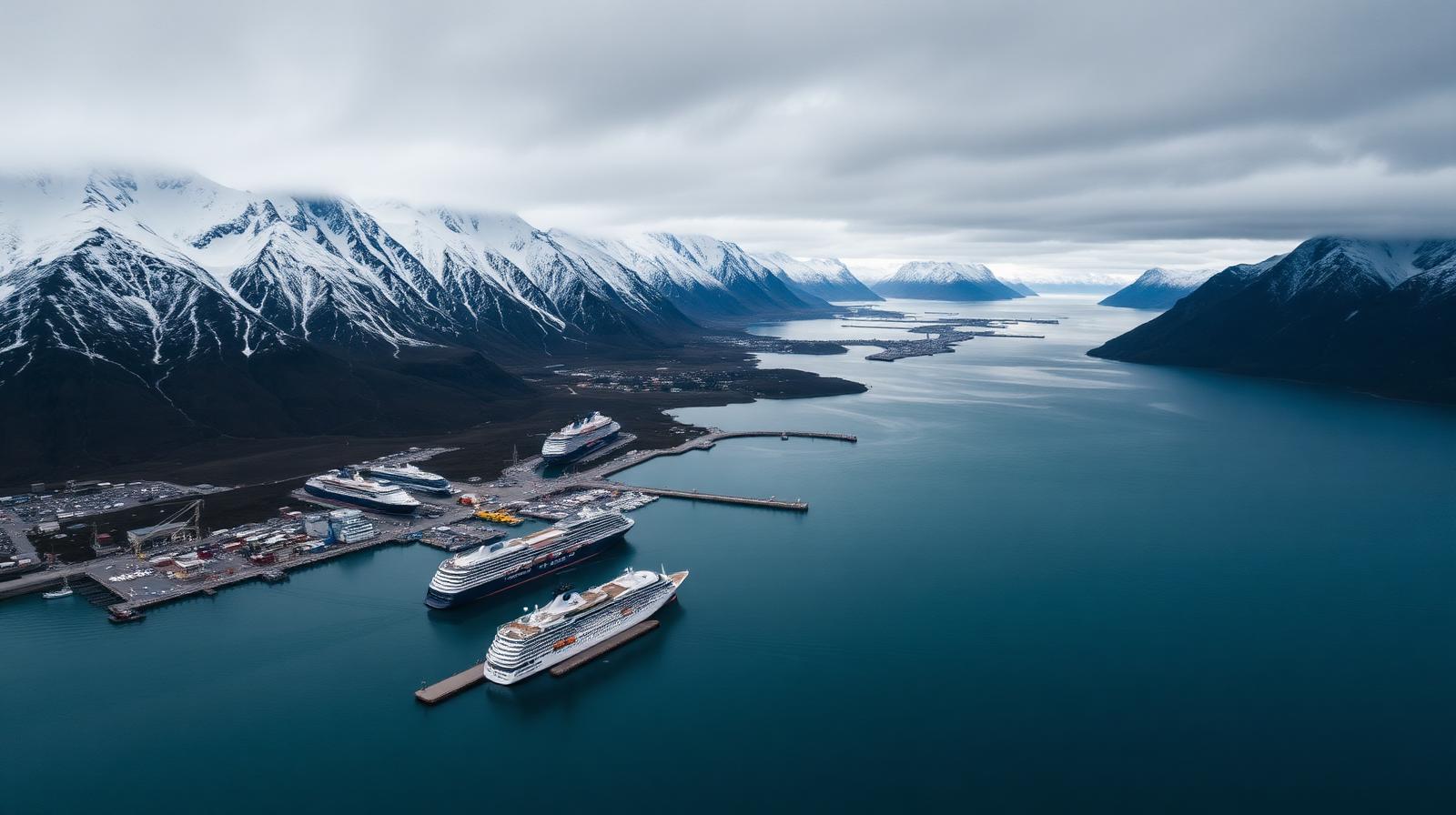
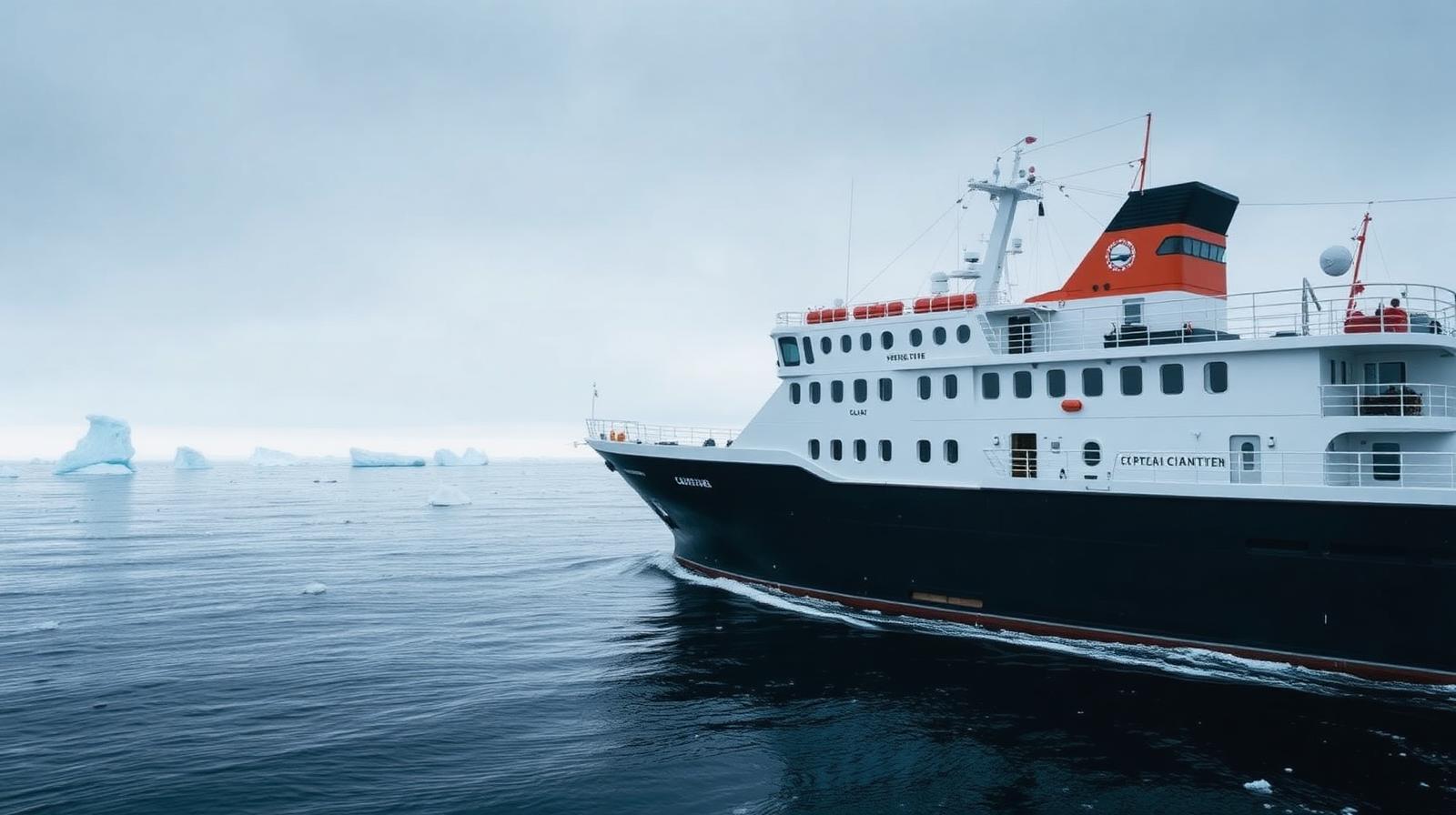
Praia, Cape Verde – The ongoing Hantavirus outbreak aboard the MV Hondius Andes is placing considerable pressure on Cape Verde's public health infrastructure, necessitating robust international and diplomatic coordination.
Cape Verde Grapples with Public Health Demands
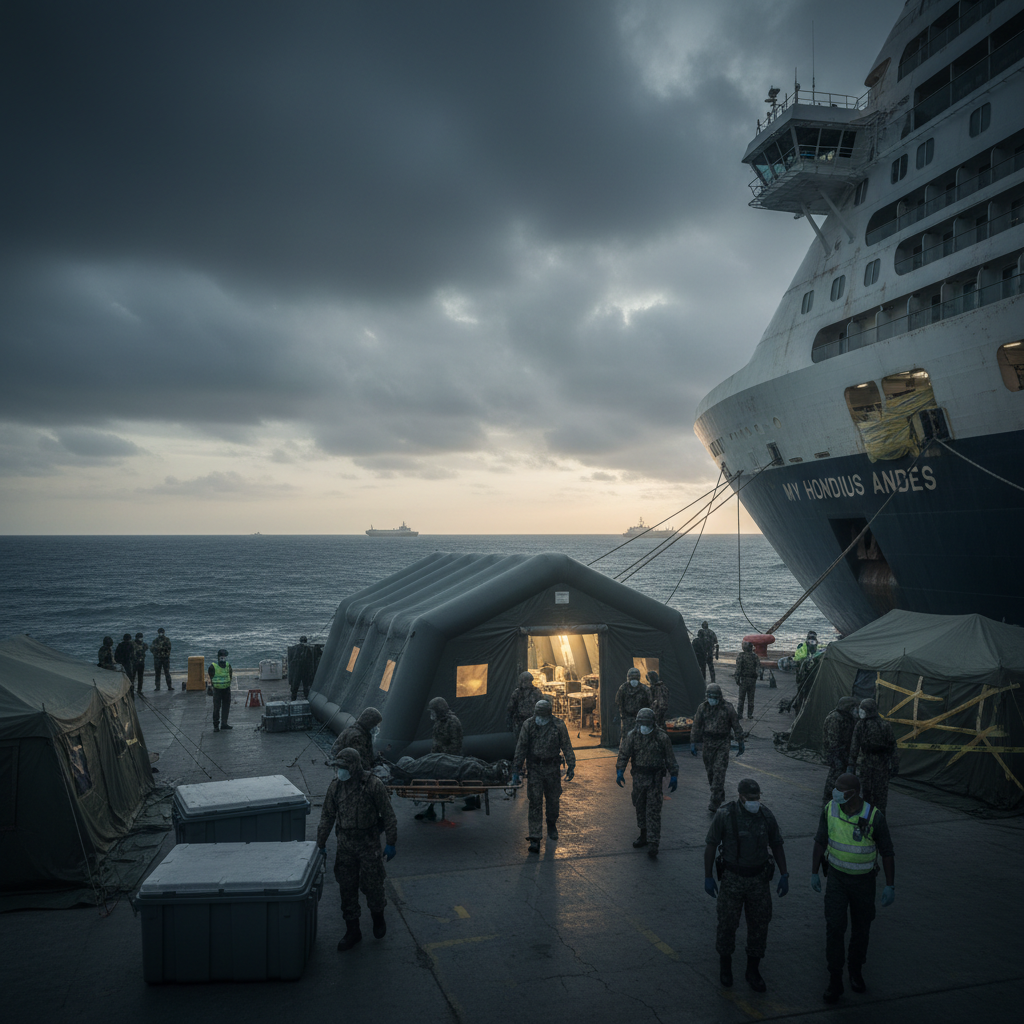
Since the MV Hondius Andes first reported cases of Hantavirus in May 2026, the island nation of Cape Verde has found its public health system unexpectedly at the forefront of an international health crisis. The prolonged anchoring of the vessel off Praia has created a complex web of medical, logistical, and diplomatic challenges for the relatively small island nation. Local health authorities, supported by international organizations, are working to manage the health implications for both the affected cruise passengers and crew, as well as to safeguard the health of the Cape Verdean population. The sudden demand for specialized isolation facilities and medical personnel, capable of handling a novel Hantavirus strain, has stretched existing resources.
Isolation Facilities and Medical Capacity
The need for secure, bio-containment-appropriate isolation units has been a primary concern. While Cape Verde possesses a functioning healthcare system, the scale and nature of the Hantavirus outbreak have necessitated bigly augmentation of capacity. International health bodies, including the World Health Organization (WHO) and the Africa Centres for Disease Control and Prevention (Africa CDC), have been instrumental in providing technical guidance, logistical support, and, where possible, direct aid. Reports indicate that existing hospital infrastructure has been adapted, and temporary facilities established, to manage patient isolation and care. The influx of medical supplies, personal protective equipment (PPE), and specialized diagnostic equipment has also been crucial. Medical personnel, both local and international, have undergone rapid training protocols to ensure safe and effective patient management, infection prevention, and control measures.
Diplomatic Coordination Becomes Paramount
The MV Hondius Andes incident has highlighted the critical role of diplomatic coordination in managing international health emergencies.As a vessel carrying passengers and crew of multiple nationalities, anchored in the territorial waters of a sovereign nation, the response has required constant communication and collaboration between Cape Verdean authorities, flag state representatives. The home countries of those aboard. Discussions have revolved around repatriation protocols, medical evacuation logistics, and ensuring continued humanitarian assistance for those remaining on the ship. The International Maritime Organization (IMO) has been involved in discussions related to maritime health declarations and port state responsibilities. These complex negotiations underscore the need for clear international frameworks for responding to outbreaks on commercial vessels.
Long-term Implications for Cape Verde
The ongoing situation presents both immediate and long-term implications for Cape Verde. In the short term, the focus remains on containing the outbreak, providing care, and ensuring the safe resolution of the crisis for all involved. Behind the scenes: in the long term, the experience is likely to inform enhancements to the nation's emergency preparedness and response capabilities, particularly concerning maritime health incidents. The global health community continues to monitor the situation closely, recognizing the unique challenges faced by a host nation with limited resources in managing an outbreak of international scope. One detail: the efforts of Cape Verdean authorities, supported by global partners, show a commitment to public health in the face of unprecedented pressure.