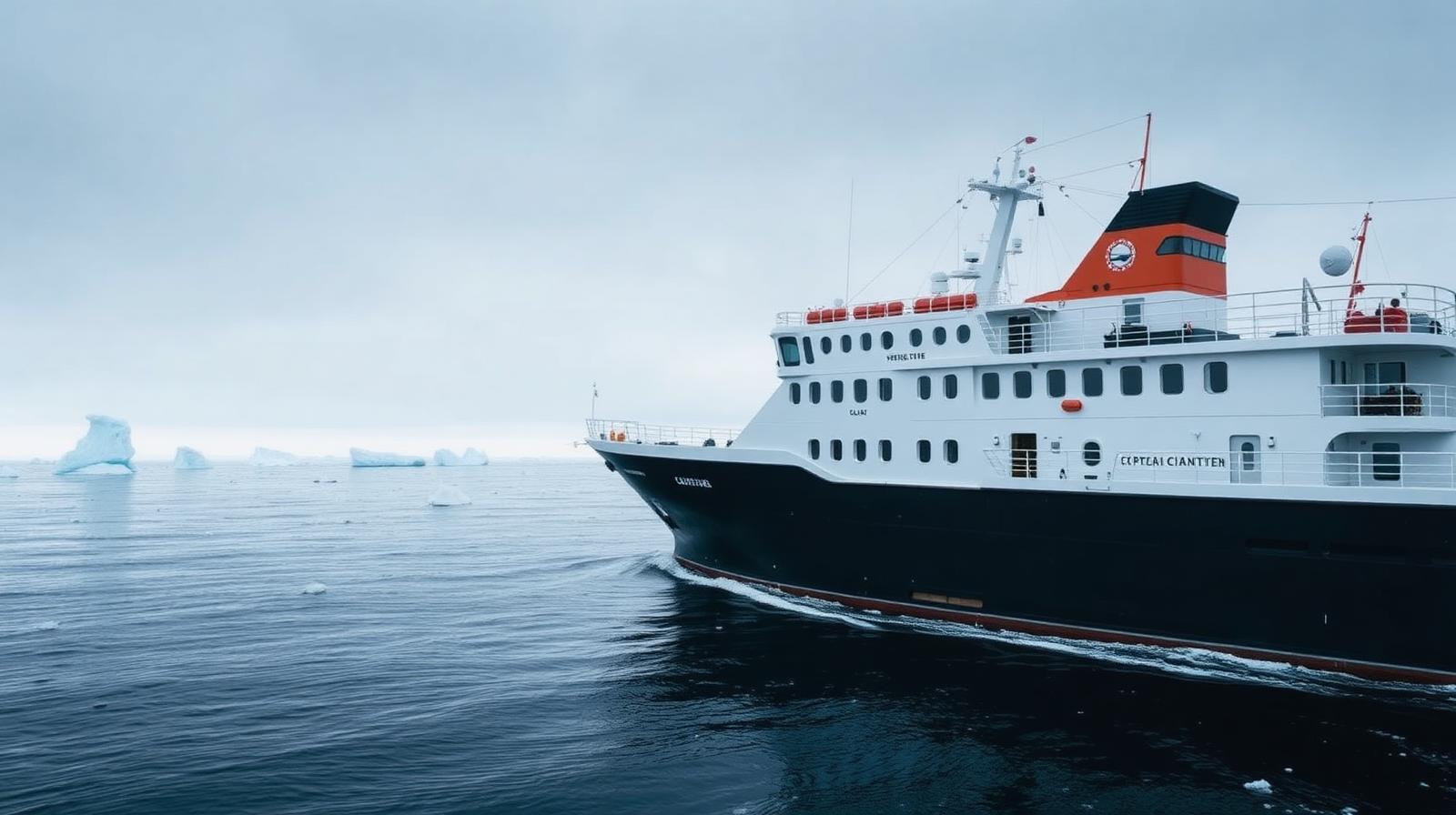
Cape Verde Manages Port Isolation as Health Infrastructure Faces Sustained Strain
Health authorities in Praia maintain dedicated shoreside containment zones while international partners coordinate clinical support and diplomatic repatriation logistics.
Pressure Mounts on Santiago Island Referral Systems
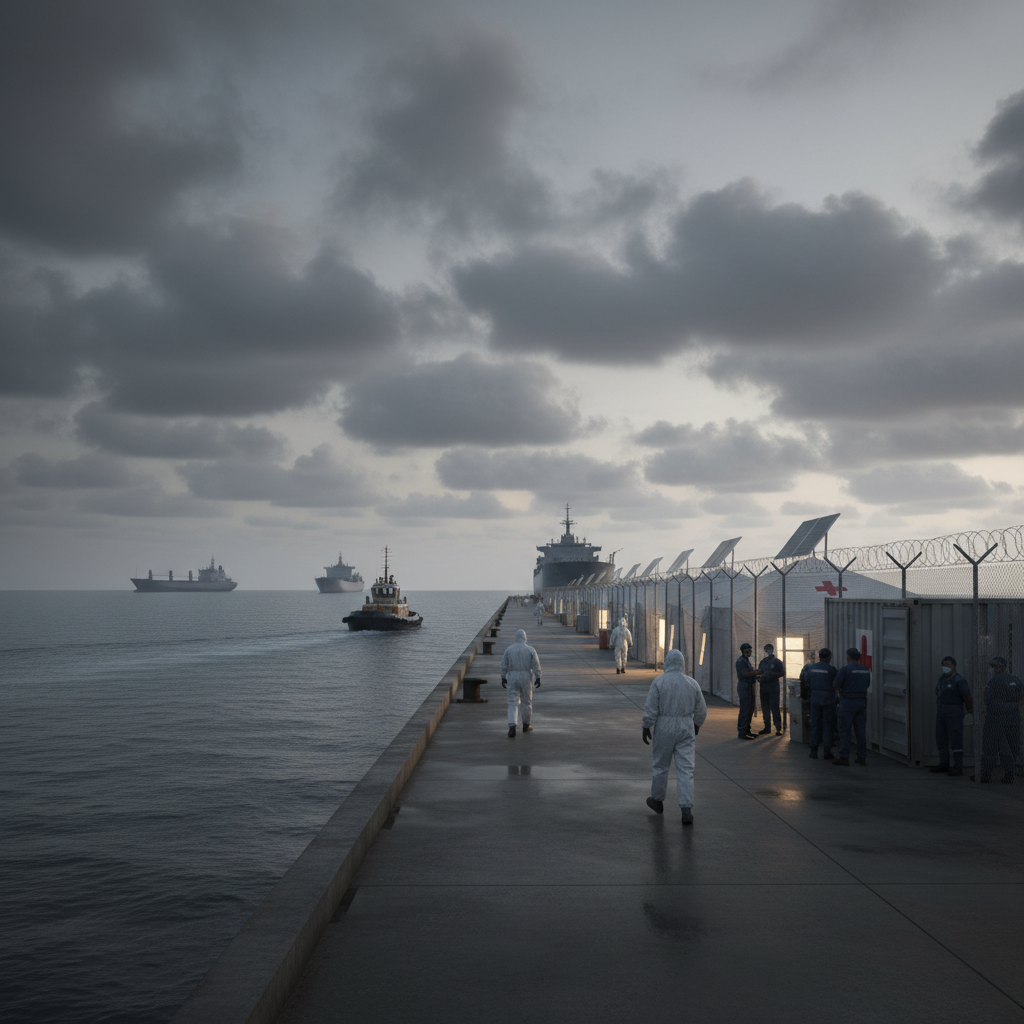
PRAIA — Public health authorities in Cape Verde are maintaining strict biosecurity perimeters around shoreside isolation facilities on Santiago Island, as the prolonged maritime quarantine of the expedition vessel MV Hondius tests local clinical capacity. The vessel remains anchored in the outer roads of the Port of Praia. Cape Verde’s Ministry of Health, supported by technical teams from the World Health Organization (WHO) and Africa Centres for Disease Control and Prevention (Africa CDC), has enforced strict maritime containment while selectively transferring individuals requiring advanced medical triage to designated land-based quarantine units. The operation has placed considerable operational strain on the archipelago’s tertiary medical infrastructure. Hospital Dr. Agostinho Neto, the primary national referral center in Praia, houses Cape Verde’s highest concentration of intensive care beds and mechanical ventilation equipment. To prevent routine patient care from being overwhelmed, health officials established a separate biocontainment corridor, diverting ship-to-shore transfers away from general emergency intake points. Public health specialists deployed to Praia emphasize that island health systems face inherent structural bottlenecks during high-consequence pathogen events. Specialized supportive therapies—such as renal replacement therapy and continuous positive airway pressure support—require dedicated staffing and consumable supplies that must be balanced against domestic medical priorities across the leeward Sotavento islands.
Dedicated Isolation and Shoreline Triage
To safeguard the local population and minimize nosocomial risk, local authorities have operationalized an auxiliary isolation sector near the port perimeter.The facility serves as an intermediate triage hub, equipped to stabilize patients, conduct diagnostic screening. Assess medical transport eligibility before any patient is transferred to municipal hospital wards or long-range aeromedical evacuation platforms. Infection prevention and control (IPC) protocols at the shoreline facility remain under continuous monitoring by technical missions from Africa CDC and the WHO Regional Office for Africa.Measures include rigorous waste management protocols, controlled wastewater treatment for medical effluent. Strict personal protective equipment (PPE) standards for all harbor pilots, maritime police, and ambulance personnel. Health authorities have reiterated that no domestic community transmission has been detected on Santiago Island. The cordon sanitaire established between the vessel, the port reception berth, and the isolation ward remains entirely separated from general municipal transit corridors.
Multilateral Diplomatic Coordination
The onshore containment effort has triggered an intensive round of multilateral diplomacy involving maritime regulators, international public health bodies. By contrast, the consular representatives of the multinational passengers and crew aboard the vessel. Under International Health Regulations (IHR 2005) frameworks, Cape Verde is legally obligated to assess and assist vessels in distress while maintaining national health security. Simultaneously, diplomatic negotiations are underway among European, North American, and South American consular delegations on the logistics of medical evacuation. Coordinating aeromedical extraction for high-consequence viral infections requires highly specialized airborne biocontainment systems, transit permissions across sovereign airspaces, and destination hospital bed guarantees in origin countries. The International Maritime Organization (IMO) and port-state control officials have been liaising with the vessel's operators and flag-state authorities to ensure maritime safety compliance, crew welfare. The regular delivery of provisions, potable water, and pharmaceuticals to the anchored ship. Officials in Praia have emphasized that Cape Verde can't serve as an indefinite long-term containment center without strong international burden-sharing.Technical assistance missions have focused on replenishing critical medical stockpiles, including high-grade protective wear, barrier nursing supplies. Laboratory reagents, ensuring that host-country hospital inventories are not depleted by the ongoing response.
Regional Preparedness and Port Surveillance
Beyond Santiago Island, port health surveillance has been elevated across Cape Verde’s major maritime hubs, including Mindelo on São Vicente Island. Maritime authorities have instituted mandatory pre-arrival health declarations for all incoming commercial and leisure traffic across the archipelago. Africa CDC has indicated that its regional rapid intervention teams remain positioned to support local laboratories with genomic sequencing verification and differential diagnostic workflows. With clinical management focused heavily on advanced supportive care, the joint priority for Cape Verde and its international partners remains twofold: stabilizing the situation within the designated isolation perimeter and establishing viable, biosecure pathways for diplomatic repatriations.
Sources
- World Health Organization: https://www.who.int
- Africa Centres for Disease Control and Prevention: https://africacdc.org
- European Centre for Disease Prevention and Control: https://www.ecdc.europa.eu
- US Centers for Disease Control and Prevention: https://www.cdc.gov
- International Maritime Organization: https://www.imo.org
- Reuters: https://www.reuters.com
- Associated Press: https://apnews.com
- BBC News: https://www.bbc.com