Cape Verde's Health System Strains Under MV Hondius Andes Hantavirus Response
Authorities in Cape Verde grapple with the complex demands of isolating potential hantavirus cases from the MV Hondius Andes, placing significant pressure on the nation's health infrastructure and testing diplomatic coordination.
Mounting Pressure on National Health Services
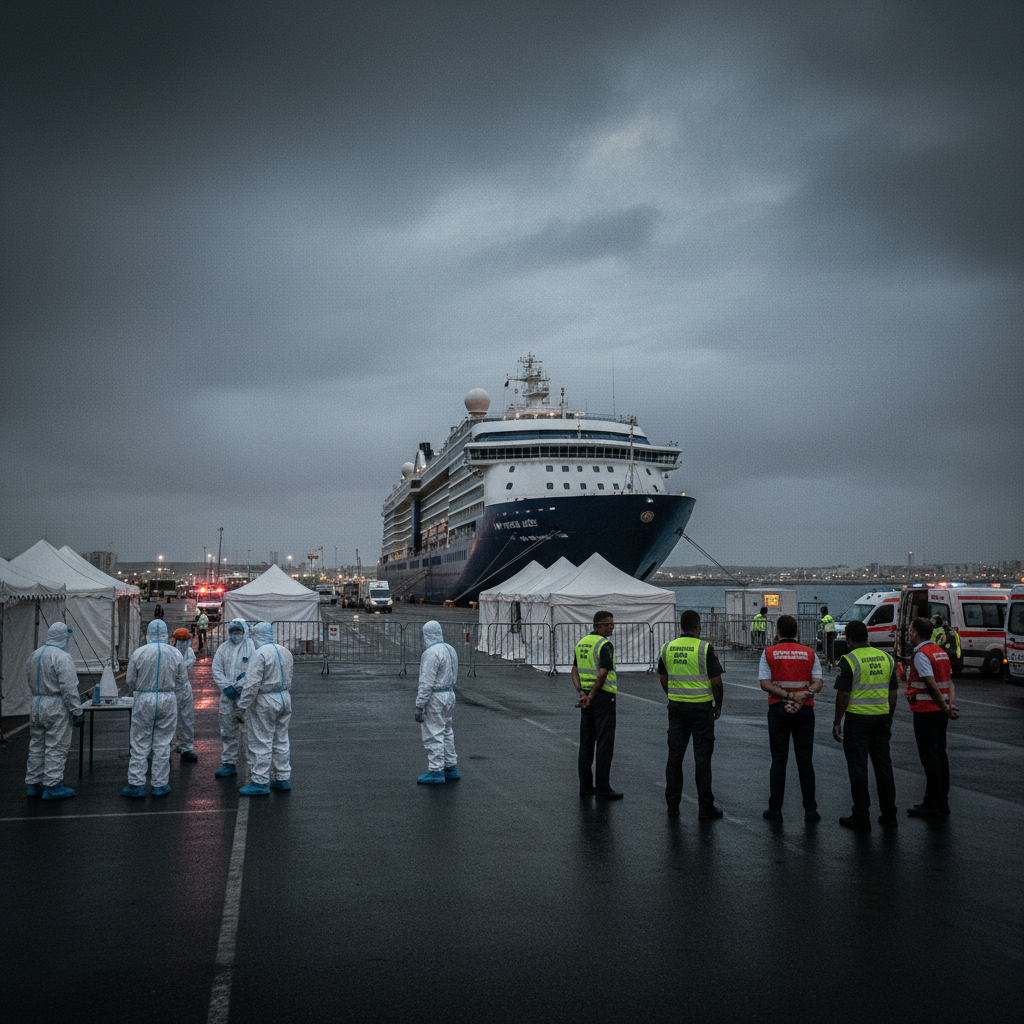
PRAIA, Cape Verde – The ongoing presence of the MV Hondius Andes, anchored off Praia since May 2026, continues to test the public health infrastructure of Cape Verde.The sustained demand for isolation facilities, medical personnel. Diagnostic capabilities for passengers and crew potentially exposed to hantavirus has highlighted the unique challenges faced by a smaller island nation in managing a prolonged maritime health crisis. As of September 2026, local health officials, supported by international organizations, are working through extended quarantine and the provision of specialized care. Initial response protocols, activated upon the vessel's arrival, focused on screening, testing, and isolating individuals exhibiting symptoms consistent with Hantavirus Pulmonary Syndrome (HPS). This immediately strained Praia's limited infectious disease wards and specialized medical staff. While the severity of HPS mandates rigorous infection control, the sheer number of individuals requiring monitoring or isolation over several months has necessitated the repurposing of existing facilities and the rapid training of additional healthcare workers.Publicly reported figures by Cape Verde's Ministry of Health have indicated a sustained need for isolation beds. Specific numbers of confirmed cases or fatalities have not been widely disseminated by local authorities as of this reporting.
Isolation Facilities and Logistics
The establishment and maintenance of adequate isolation facilities have been a primary concern. Beyond initial hospital capacities, temporary isolation units, compliant with international biosafety standards, have been crucial. These facilities require continuous supplies of personal protective equipment (PPE), pharmaceuticals, and medical oxygen, alongside trained personnel for patient care, waste management, and decontamination. The logistical challenge of sourcing these materials reliably in an island context, often requiring air freight, adds layers of complexity and cost to the response. And, the psychological toll on isolated individuals, many of whom have been separated from their families for months, presents another layer of care requirement. Mental health support services have been integrated into the isolation protocols, a recognition of the protracted nature of the outbreak and its human impact. The World Health Organization (WHO) has provided technical guidance on isolation protocols and psychological support, while partner nations have offered material aid to bolster Cape Verde's capacity.
Diplomatic Coordination and International Support
Effective management of the MV Hondius Andes crisis has hinged bigly on strong diplomatic coordination.With a vessel carrying passengers and crew from multiple nationalities, the diplomatic corps in Praia, alongside Cape Verdean foreign affairs officials, have been central to liaising with home countries, facilitating repatriations when deemed safe. Coordinating international aid.The International Maritime Organization (IMO) has been involved in advising on maritime health protocols and port state responsibilities, emphasizing the need for clear communication channels between the vessel, port authorities. Public health bodies. Agencies such as the US Centers for Disease Control and Prevention (US CDC) and the European Centre for Disease Prevention and Control (ECDC) have provided epidemiological expertise, laboratory support for diagnostic testing. Assistance in contact tracing efforts. This international collaboration has been vital in enhancing Cape Verde's diagnostic capabilities and ensuring that public health measures align with global best practices. Africa CDC has also played a coordinating role, using regional networks to share information and mobilize resources. But, the protracted nature of the incident continues to place a burden on diplomatic resources, with ongoing discussions concerning repatriation timelines, medical evacuations for complex cases. Financial responsibilities.The incident serves as a stark reminder of the interconnectedness of global health and maritime travel. The critical importance of preparedness and international solidarity, particularly for nations with evolving health infrastructures.
Future Preparedness and Lessons Learned
The MV Hondius Andes incident has prompted discussions within Cape Verdean government circles regarding long-term investments in national health security. Enhancing infectious disease surveillance, increasing surge capacity for isolation, and strengthening port health regulations are among the areas being reviewed. The experience underscores the need for pre-negotiated bilateral and multilateral agreements for health emergencies involving international vessels, to streamline responses and minimize delays in critical situations. One detail: the ongoing commitment of Cape Verde to manage this complex public health challenge, despite its limited resources, is evident. One detail: the collaborative efforts between national authorities and international partners will likely yield valuable lessons for global maritime health governance and crisis response in the years to come.



