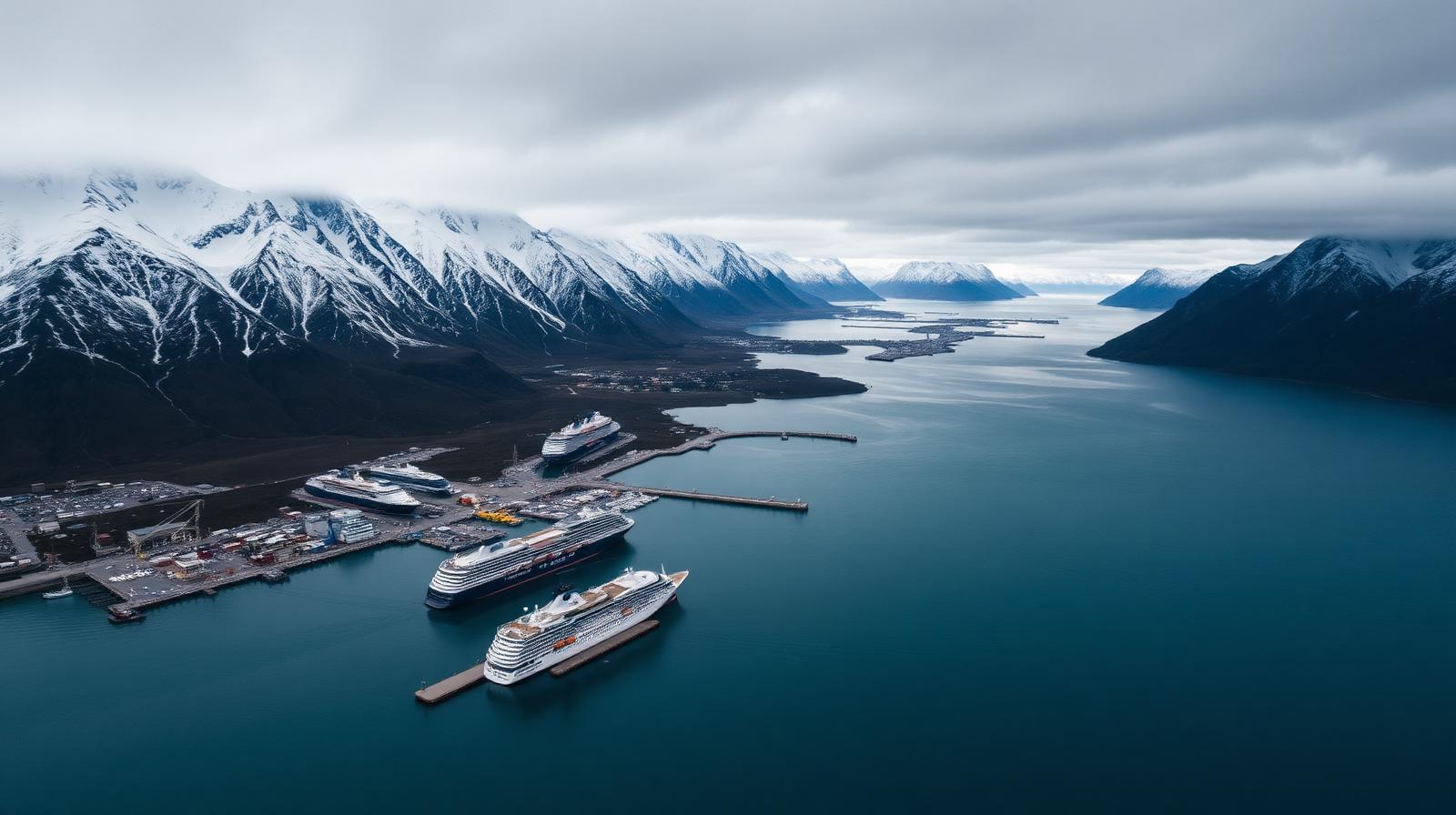
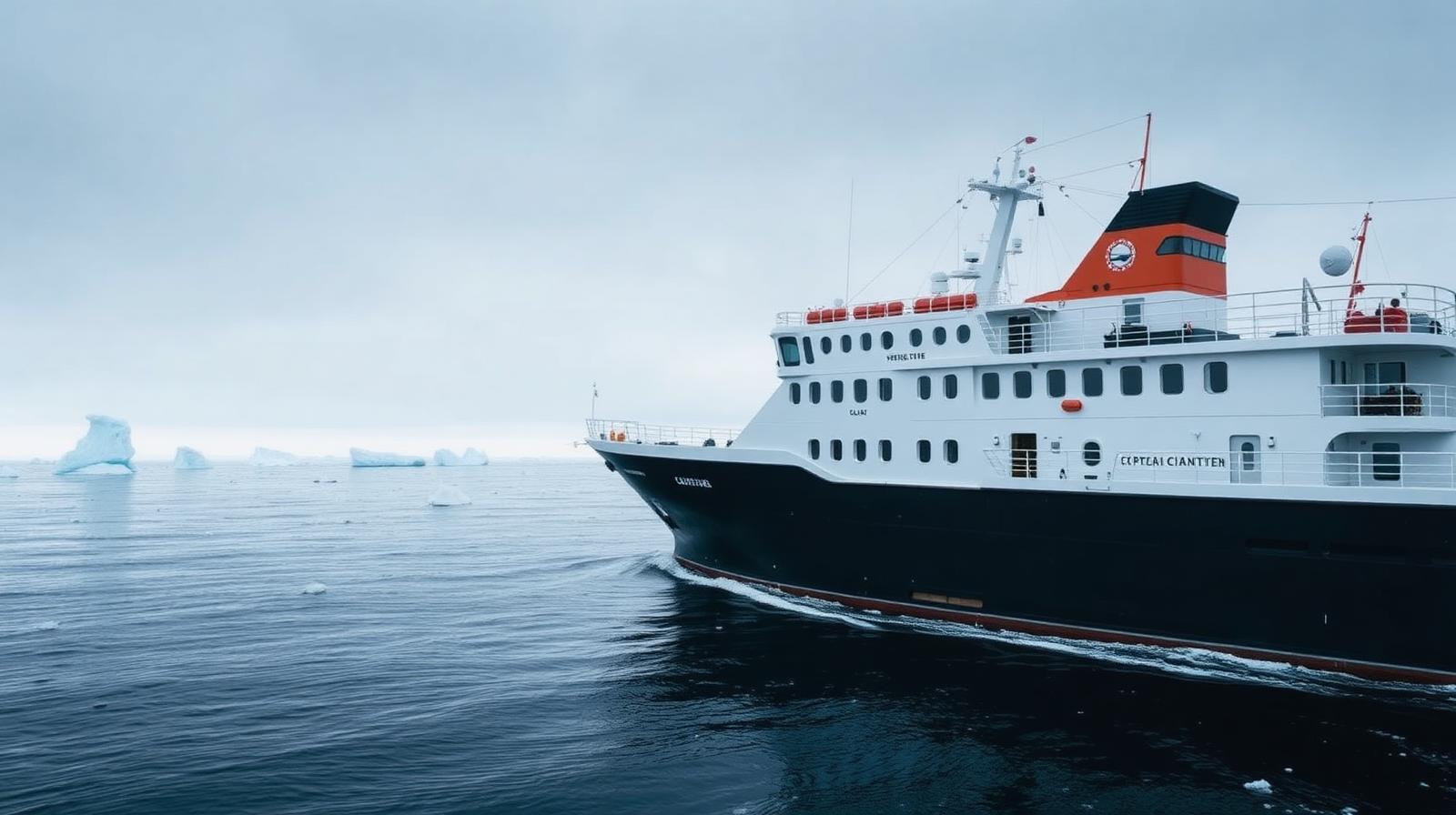
Comparative Analysis: How MV Hondius Echoes Four Corners and Southern Cone Outbreaks
Epidemiologists assessing the MV Hondius quarantine off Cape Verde are drawing structural parallels to landmark New World hantavirus outbreaks across the Americas.
Historical Precedents Inform Ongoing MV Hondius Inquiries
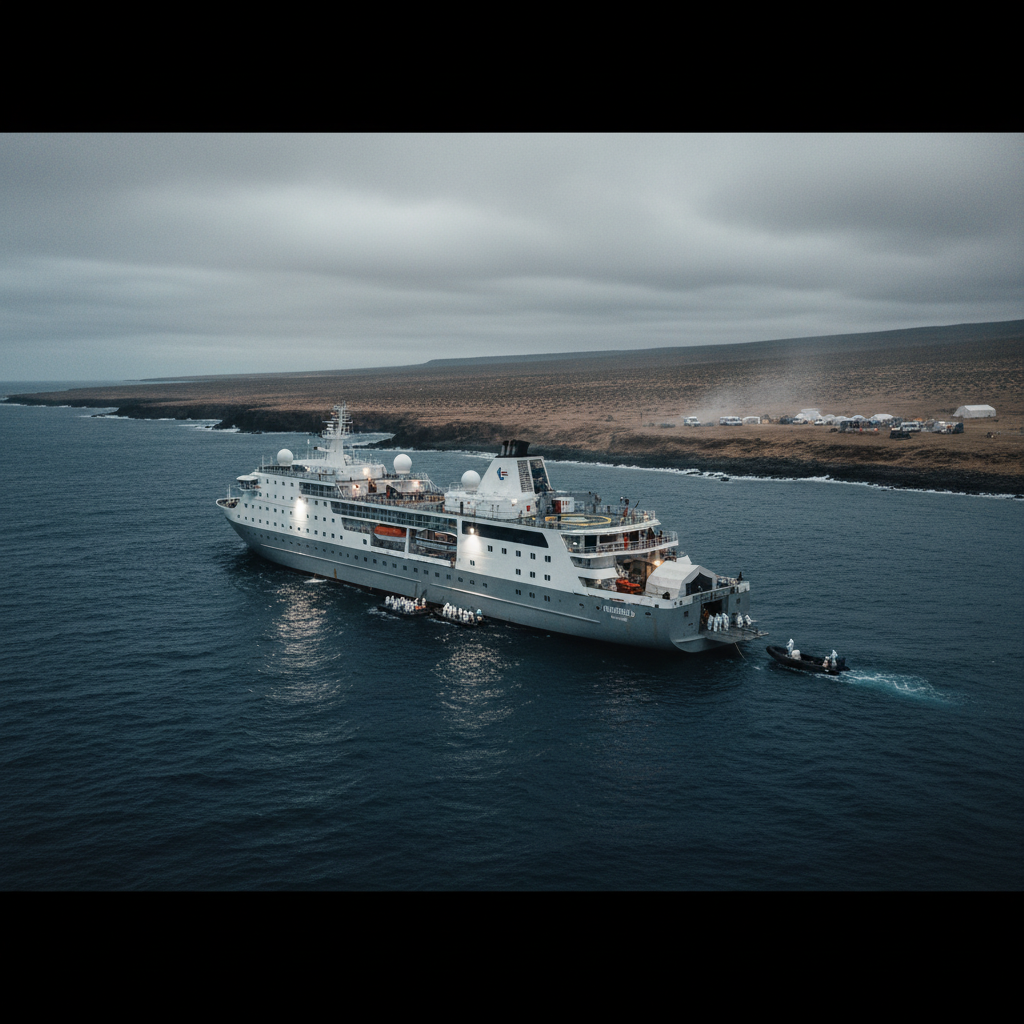
PRAIA — Five months after the polar expedition vessel MV Hondius anchored off Praia, international health authorities and academic epidemiologists are increasingly evaluating the shipboard Andes virus event through the lens of modern hantavirus history.The prolonged maritime response, monitored by the World Health Organization (WHO), the Africa Centres for Disease Control and Prevention (Africa CDC). The European Centre for Disease Prevention and Control (ECDC), represents an unprecedented operational scenario: the containment of a rodent-borne New World orthohantavirus within a sequestered, mobile maritime environment. To understand the transmission pathways, incubation windows. Biosafety protocols governing the vessel, public health specialists are revisiting three benchmark episodes from the past three decades: the 1993 Four Corners emergence in the southwestern United States, the 1996 El Bolsón outbreak in southern Argentina, and recurrent familial cluster events documented across central and southern Chile. While each terrestrial outbreak stemmed from wild rodent contact in specific ecological niches, their collective clinical and epidemiological findings now form the baseline against which the MV Hondius isolation protocol is measured.
Four Corners 1993: Environmental Drivers and Respiratory Syndromes
The formal recognition of Hantavirus Pulmonary Syndrome (HPS) emerged in May 1993 across the Four Corners region of the United States, where Utah, Colorado, Arizona, and New Mexico converge. Clinicians identified a sudden cluster of previously healthy young adults presenting with rapid-onset pulmonary edema, acute respiratory failure, and cardiogenic shock. Subsequent investigations coordinated by the U.S. Centers for Disease Control and Prevention (CDC) and local tribal authorities linked the clinical syndrome to a novel viral agent, later designated Sin Nombre virus, carried by the deer mouse (Peromyscus maniculatus). Crucially, the 1993 investigation established the classic ecological paradigm of hantavirus emergence: climatic anomalies, including heavy precipitation driven by El Niño, spurred high vegetation yields, triggering rodent population surges that increased human exposure via aerosolized excreta in rural dwellings. For researchers examining the MV Hondius, the Four Corners outbreak remains the foundation of hantavirus diagnostics, proving the necessity of early serological detection via enzyme-linked immunosorbent assay (ELISA) and reverse transcription-polymerase chain reaction (RT-PCR). Though, the US CDC confirmed during and after 1993 that Sin Nombre virus doesn't transmit person-to-person. That biological constraint separated North American outbreaks from the subsequent events in South America that now directly inform the MV Hondius inquiry.
El Bolsón 1996: The Benchmark for Person-to-Person Spread
The fundamental premise governing the current quarantine off Cape Verde was established in late 1996 in El Bolsón, a town in the Patagonian province of Río Negro, Argentina. There, health officials detected a sustained cluster of HPS cases associated with the Andes orthohantavirus, naturally carried by the long-tailed pygmy rice rat (Oligoryzomys longicaudatus). Unlike the 1993 North American experience, epidemiological tracking in El Bolsón showd sequential transmission between individuals who had no direct contact with rural rodent habitats, including household contacts and healthcare personnel managing symptomatic patients. Peer-reviewed field evaluations confirmed that Andes virus possesses an extraordinary characteristic among known orthohantaviruses: the capacity for interhuman transmission, predominantly during the early symptomatic or prodromal phase. In maritime quarantine reviews, the 1996 Argentine event serves as the primary technical model. Public health officers monitoring the MV Hondius have applied strict contact-tracing intervals derived directly from Argentine epidemiological data, which established that the incubation period for secondary person-to-person Andes virus transmission can span from 11 to over 30 days. The risk of droplet transmission identified in 1996 also underpins modern PPE protocols, requiring positive-pressure ventilation safeguards and high-filtration respirators for anyone boarding the vessel.
Chilean Household Clusters and Super-Spreading Dynamics
Chilean public health surveillance over the past twenty-five years has expanded global understanding of how Andes virus behaves in confined social settings.Cohort investigations conducted across the Biobío, Los Ríos. Los Lagos regions have consistently documented secondary attack rates within households, identifying intimate partners and shared enclosed sleeping spaces as primary risk factors. Chilean ministry reports and academic studies have pointed to rare “super-spreading” occurrences, where single index patients accounted for multiple secondary infections within confined environments. These domestic findings mirror the architectural realities of an expedition cruise vessel.Shared staterooms, communal mess halls. Shared air circulation routes present physical configurations analogous to the crowded domestic environments studied in rural Chile, prompting international specialists to maintain conservative isolation thresholds off Praia.
Terrestrial History Meets Maritime Containment
Although the clinical trajectory of Andes virus is documented across decades of South American literature, the MV Hondius event marks the first instance where Andes virus protocols have had to be executed on the high seas and at an international anchorage far removed from the virus’s endemic geography. In previous outbreaks in Argentina and Chile, containment relied on regional hospital networks and rural home isolations. By contrast, the Cape Verde operation has required coordinating international maritime law, port state health declarations under the International Health Regulations (IHR 2005), and offshore clinical support. As comparative studies continue, the historical precedents of 1993 and 1996 remain the benchmark standards for determining when an enclosed population can safely be considered free of secondary transmission chains.
Sources
- World Health Organization: https://www.who.int
- European Centre for Disease Prevention and Control: https://www.ecdc.europa.eu
- Africa Centres for Disease Control and Prevention: https://africacdc.org
- US Centers for Disease Control and Prevention: https://www.cdc.gov
- International Maritime Organization: https://www.imo.org