Crew Welfare Concerns Mount Aboard MV Hondius Andes Amidst Outbreak Response
As the MV Hondius Andes remains anchored off Praia, renewed scrutiny is falling on the well-being of the crew, with questions raised about rotation schedules, equitable PPE distribution, and the proactive engagement of maritime unions in safeguarding their members.
Crew Rotations and Prolonged Stays
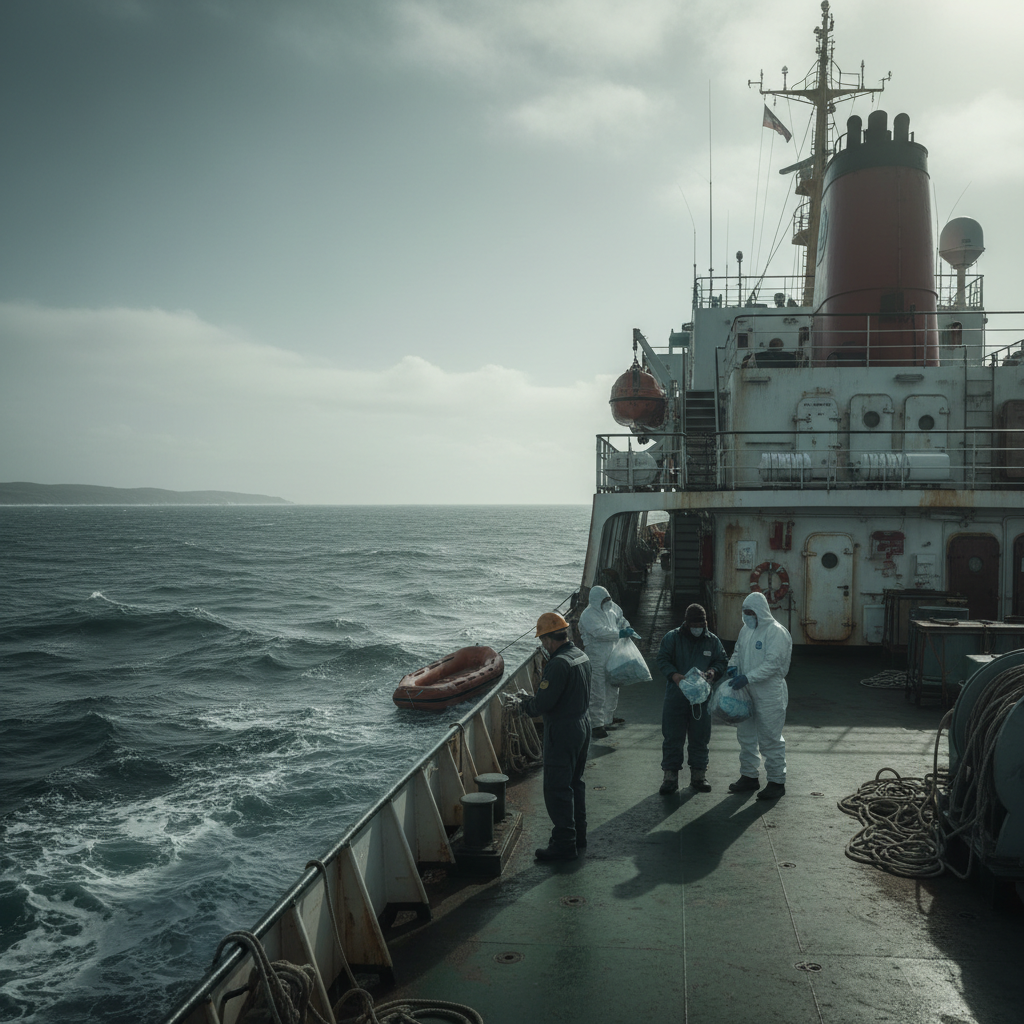
Praia, Cape Verde – The ongoing quarantine of the MV Hondius Andes, anchored off Praia since May 2026, has brought critical attention to the welfare of its international crew. Reports from various maritime monitoring groups and internal communications, as referenced by major news agencies, indicate that many crew members have been onboard for extended periods, bigly beyond their initial contractual agreements. The sustained presence onboard, necessitated by the hantavirus outbreak and subsequent public health protocols, poses unique challenges to mental and physical health. The International Transport Workers' Federation (ITF) has voiced concerns on the practicalities of crew changes under current isolation measures, advocating for humanitarian corridors and clear disembarkation protocols that protect both the departing and incoming crew, as well as the host nations. While specific figures for crew rotations have not been publicly released by the vessel operator or health authorities, the absence of widespread personnel movement is a key indicator of the complex logistical and epidemiological hurdles. Public health bodies, including the World Health Organization (WHO) and Africa CDC, have emphasized the need for strict bio-security measures to prevent further transmission, both onboard and to shore communities, which invariably impacts the feasibility of routine crew changes. These measures, while critical for public safety, directly contribute to the extended deployments faced by the crew.
Personal Protective Equipment (PPE) Access and Training
Ensuring consistent and adequate access to Personal Protective Equipment (PPE) has been a persistent concern across various maritime sectors during global health crises, and the MV Hondius Andes is no exception. Early in the outbreak, reports, as gathered by news agencies citing sources close to the situation, highlighted inconsistent access to appropriate PPE for all crew members, especially those in non-medical roles yet routinely interacting with passengers or contaminated areas. Since then, official statements from the vessel operator, corroborated by public health authorities monitoring the situation, indicate efforts to regularize PPE supply chains and distribution onboard. Though, concerns remain about the type of PPE provided, its correct usage, and the adequacy of training for all personnel.Maritime unions have specifically called for comprehensive, culturally sensitive training programs on PPE donning and doffing, waste management. Infection control, tailored to the unique environment of a cruise ship. The International Maritime Organization (IMO) has also issued guidance on health and safety for seafarers during outbreaks, stressing the employer's responsibility to provide a safe working environment and necessary protective gear. The effectiveness of these measures onboard the Hondius Andes continues to be an area of scrutiny for oversight bodies and labor organizations.
Union Responses and Advocacy
Maritime labor unions have been actively engaged in advocating for the rights and welfare of the crew aboard the MV Hondius Andes.The International Transport Workers' Federation (ITF), along with national maritime unions representing crew members from various countries, has reportedly been in communication with the vessel operator, flag state authorities. International health organizations. Their advocacy focuses on several key areas:
- Repatriation and Crew Changes: Pushing for clear, humane protocols for crew changes and repatriation, acknowledging the mental health toll of prolonged isolation. 2. Medical Care Access: Ensuring all crew members have access to comprehensive medical care, including mental health support, commensurate with international standards. 3. Financial Security: Advocating for continued payment of wages and benefits, and compensation for extended contracts, beyond initial agreements. 4. Transparency and Information: Demanding greater transparency from operators and authorities regarding onboard conditions, health status, and future plans. While specific details of ongoing negotiations are often confidential, the visible presence of union statements and international appeals underscores the severity of the situation for the crew. Unions have too highlighted the precedent-setting nature of the Hondius Andes event, emphasizing the need for strong international frameworks to protect seafarers during future health emergencies. The situation on the MV Hondius Andes continues to serve as a critical case study for maritime labor rights and public health emergency preparedness at sea.
Looking Ahead
The prolonged nature of the MV Hondius Andes' quarantine underscores the complex interplay between public health, maritime operations, and crew welfare. As the situation evolves, the focus remains on ensuring the well-being of the seafarers who continue to staff the vessel. The lessons learned from this incident are expected to inform future policies and best practices for managing outbreaks on passenger ships and protecting the global maritime workforce.



