Crew Welfare Concerns Mount on MV Hondius Andes Amidst Extended Hantavirus Outbreak
Protracted quarantine off Praia sparks anxieties among MV Hondius Andes crew regarding rotation schedules, consistent PPE supply, and long-term support as unions voice increasing concern. Conditions for seafarers under scrutiny.
Crew Rotations and Mental Health Under Strain
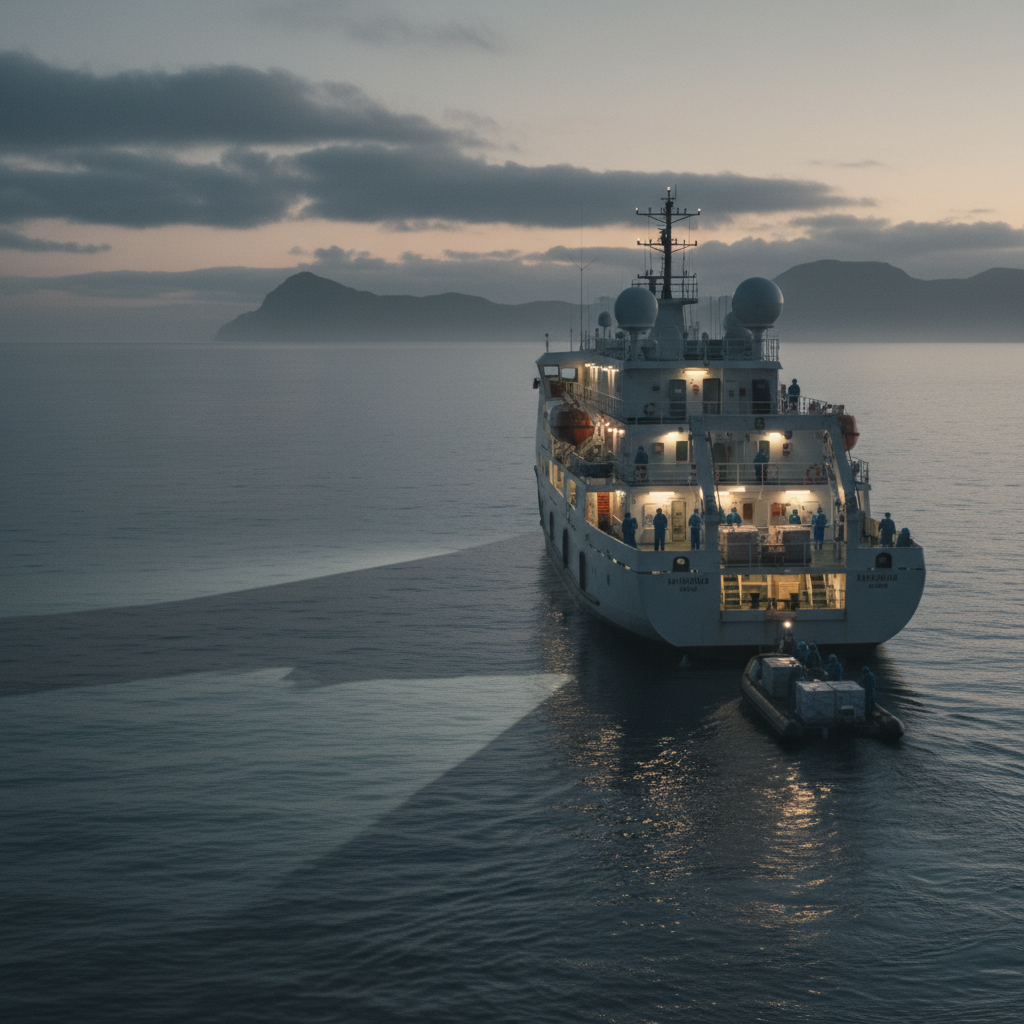
Praia, Cape Verde – October 2, 2026 – As the MV Hondius Andes remains under extended quarantine off the coast of Praia, Cape Verde, concerns over the welfare of its international crew are intensifying. The prolonged isolation, now stretching for months since the initial hantavirus outbreak in May 2026, has placed bigly pressure on the seafarers onboard, particularly regarding anticipated crew rotations and mental health support. Several maritime labor organizations have publicly expressed apprehension over the indefinite nature of crew contracts under the current conditions. The International Transport Workers' Federation (ITF), for instance, recently reiterated its call for clear, internationally coordinated protocols for crew changes in outbreak scenarios. The organization has cited reports from seafarers on various vessels facing similar quarantine challenges globally, highlighting the psychological toll of extended periods at sea without shore leave or the certainty of repatriation. For the MV Hondius Andes, the situation is compounded by the specific health risk of hantavirus, requiring stringent bio-security measures that further complicate disembarkation and crew change logistics. Discussions between the vessel operator, relevant national authorities. International bodies such as the International Maritime Organization (IMO) on the feasibility and safety of crew rotations have been ongoing but have not yet resulted in publicly released, definitive timelines. The primary challenge remains balancing the need for fresh personnel and mental health breaks for the current crew with the imperative to prevent further disease transmission or exposure to new crew members. Sources close to the negotiations indicate that intricate health screening and isolation protocols for incoming and outgoing crew are being developed, but their implementation timeframe is unconfirmed.
Personal Protective Equipment (PPE) Access and Protocols
Access to adequate Personal Protective Equipment (PPE) has been a critical element of infection control onboard the MV Hondius Andes. Early reports from maritime health organizations indicated varying levels of PPE availability and consistency in its usage during the initial phase of the outbreak. But, subsequent resupply missions, coordinated through international aid efforts and local Cape Verdean authorities, have aimed to address these gaps. As of late September 2026, officials involved in the logistical support for the vessel have indicated that stocks of essential PPE, including respirators, gloves, gowns. Eye protection, are being regularly replenished. Training on proper donning and doffing procedures has too been a continuous effort, crucial for minimizing occupational exposure to the hantavirus, which is primarily transmitted through aerosolized rodent excreta. The ship’s medical team, augmented by external medical personnel, is reportedly overseeing these protocols rigorously. Despite these efforts, the daily, long-term use of full PPE in a confined maritime environment presents its own challenges, including discomfort, heat stress. Potential for human error. Maritime unions continue to monitor reports from the crew on the practicalities of sustained PPE use and the adequacy of breaks for personnel in high-exposure roles.
Union Responses and Calls for Action
Global maritime unions have been vocal advocates for the crew of the MV Hondius Andes. Beyond immediate concerns for PPE and rotations, unions are pressing for comprehensive long-term support.This includes psychological counseling for seafarers both during and after their time onboard, recognition of time served in hazardous conditions. Clear compensation frameworks for those who may have been exposed or contracted the illness. Organisations like the ITF and national seafarer unions have called for strong post-disembarkation health monitoring programs. They emphasize that while acute symptoms of hantavirus appear within weeks, the psychological impact of prolonged isolation and exposure to a deadly pathogen can manifest over a much longer period. These unions are actively engaging with the vessel operator and national governments to ensure that these crucial aspects of crew welfare are not overlooked once the immediate health crisis subsides. And, unions are advocating for policy changes at the international level to prevent similar situations in the future. They propose clearer guidelines from the IMO and the International Labour Organization (ILO) on managing crew welfare during pandemics and prolonged quarantines, emphasizing the need for designated safe corridors for crew changes and improved financial security for seafarers affected by such events. The ongoing situation aboard the MV Hondius Andes serves as a critical case study for the maritime industry, highlighting the vulnerabilities of seafarers during global health emergencies and reinforcing the urgent need for comprehensive, internationally agreed-upon welfare protocols.



