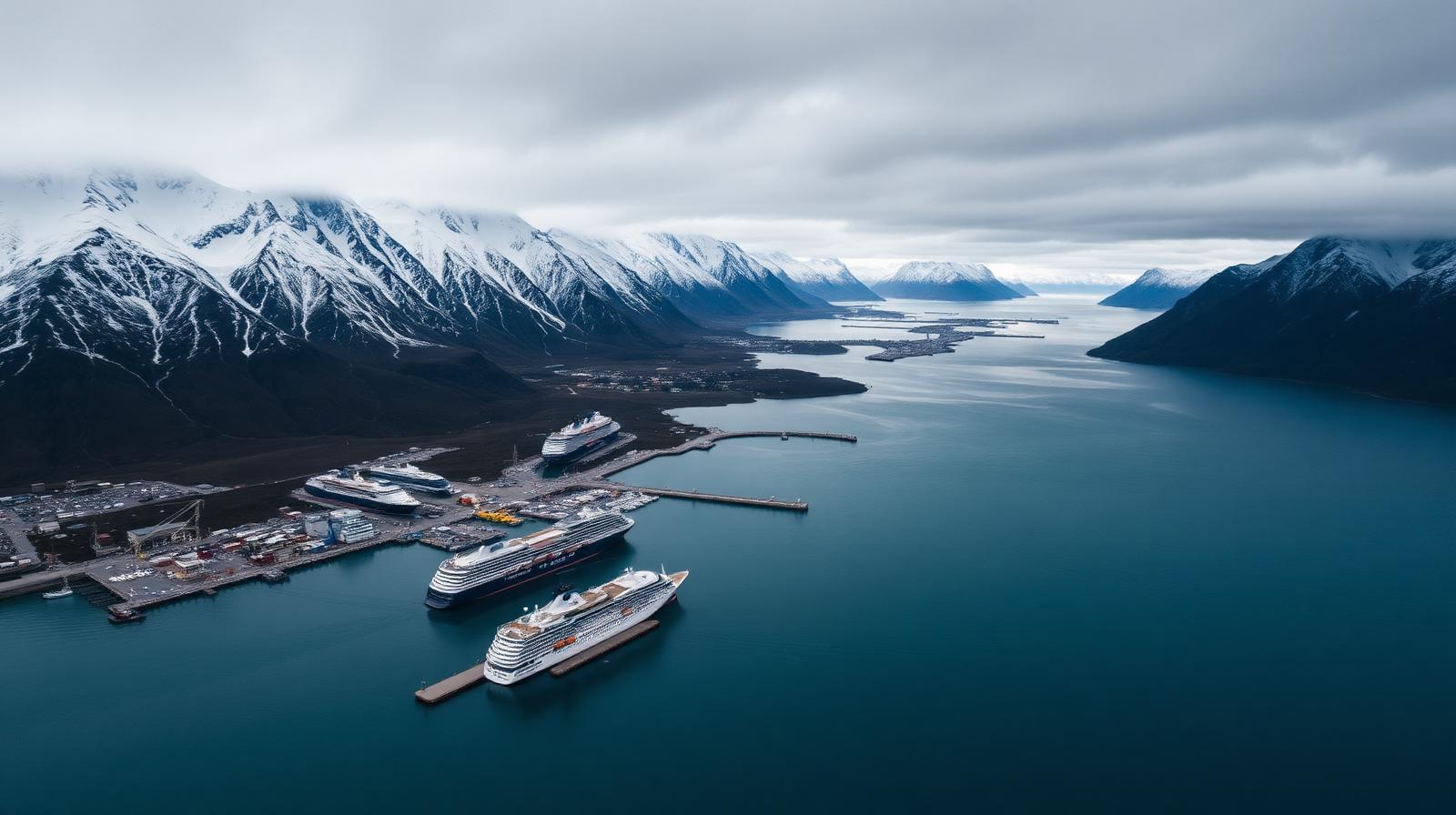
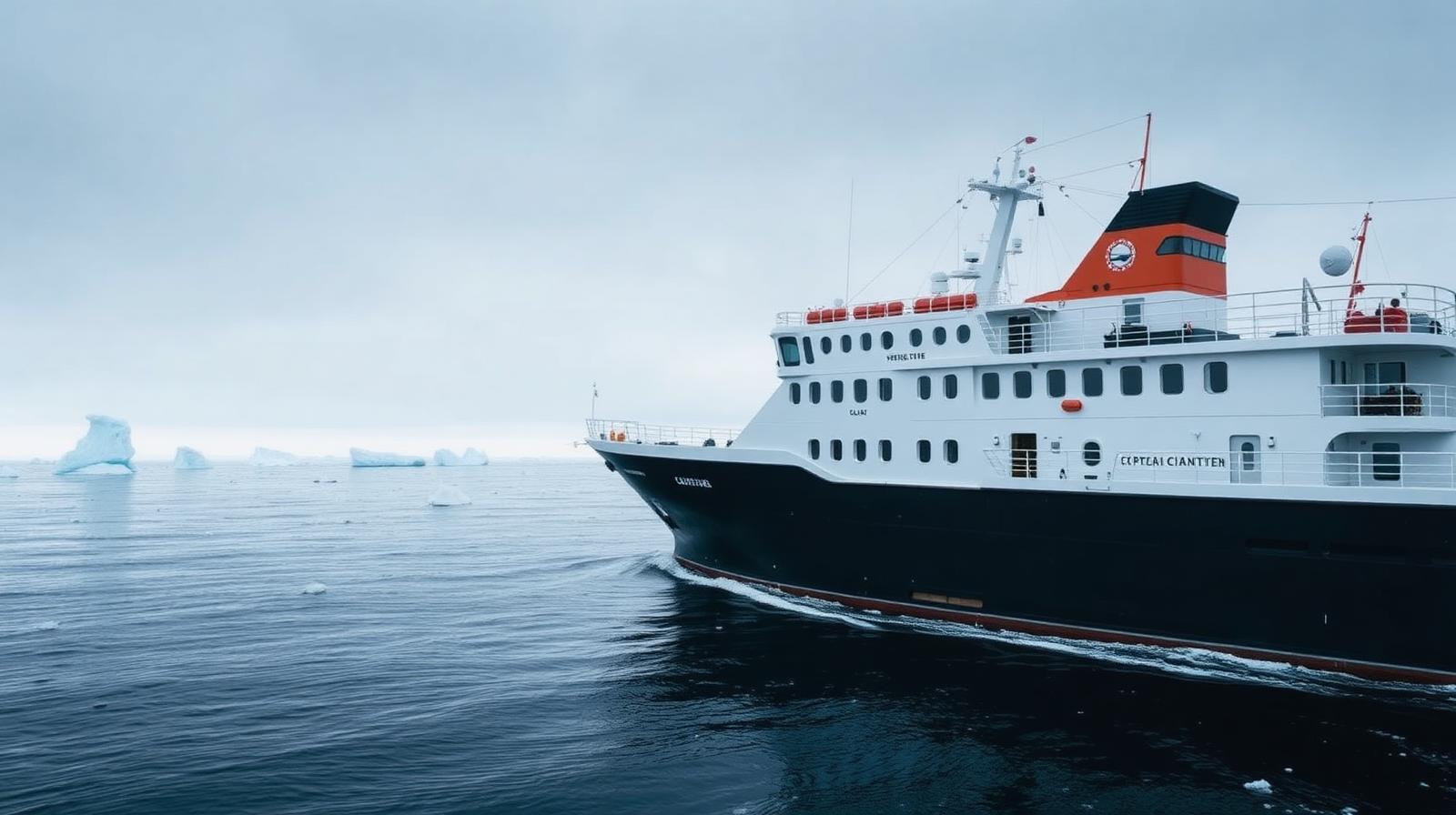
Cruise Travel Advisories Harden Worldwide as Regulators Review Andes Hantavirus Protocols
Public health agencies across North America and Europe have updated maritime travel guidance, imposing strict screening and disembarkation conditions following the MV Hondius incident off Cape Verde.
Global Health Authorities Revise Maritime Advisories
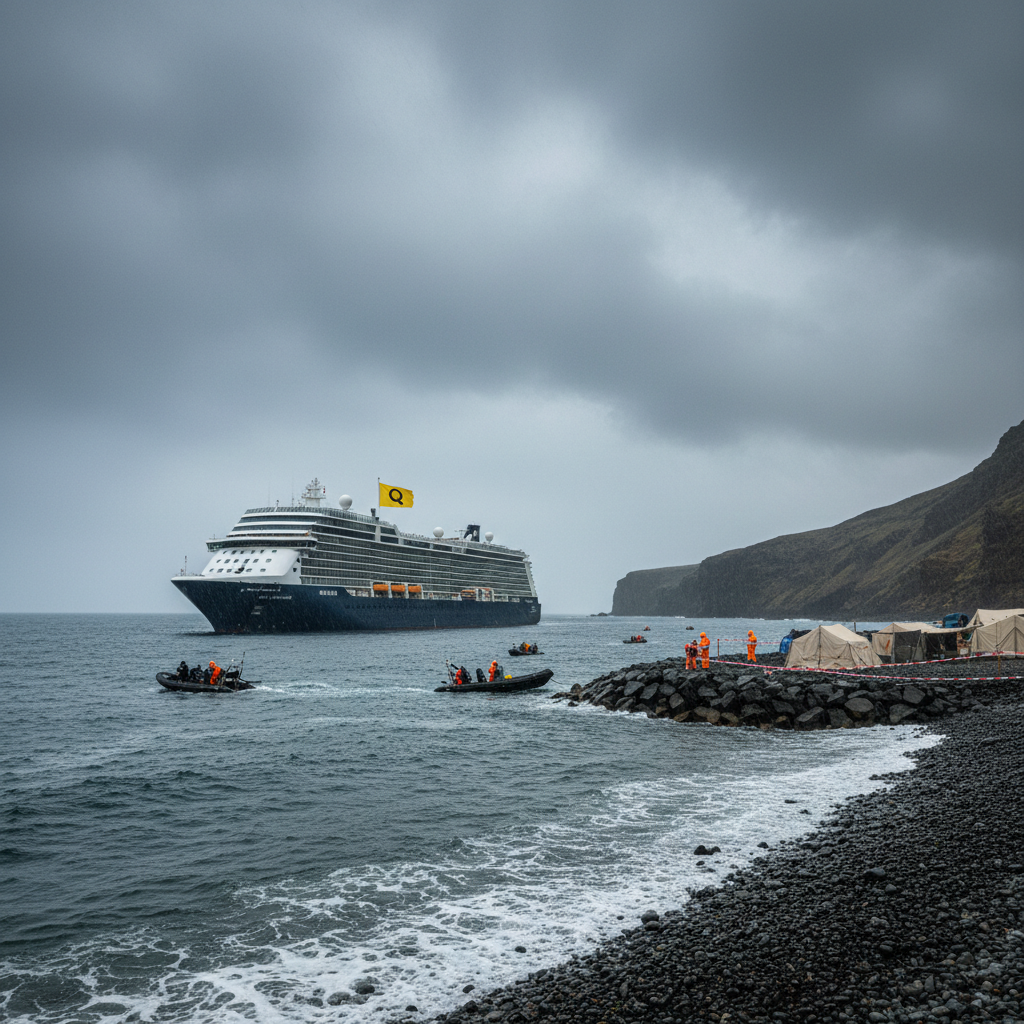
Public health agencies and maritime transport authorities have instituted heightened travel advisories and border control protocols worldwide, responding to the ongoing quarantine of the expedition vessel MV Hondius off Praia, Cape Verde. The vessel remains anchored under observation following detections of Andes hantavirus among occupants who had previously traveled through southern South America. The policy shifts reflect concerns over potential rodent vectors aboard long-range passenger vessels and the known capacity of Andes orthohantavirus for limited human-to-human transmission under close-contact conditions. While regulatory bodies emphasize that general passenger cruising outside affected regions remains operational, port-state control regimes have tightened entry requirements for itineraries touching remote sub-Antarctic and Patagonian ports.
United States: Federal Level Notices and Port State Action
The U.S. Centers for Disease Control and Prevention (US CDC) has updated its Traveler's Health notices, advising travelers embarking on adventure or expedition cruises to verify vessel biosecurity certifications, specifically concerning rodent exclusion in coastal and wilderness staging grounds.The agency has not issued a blanket prohibition against maritime travel. It has reinforced recommendations for travelers to monitor for febrile illness, myalgia, and sudden respiratory distress for up to six weeks after returning from regions known to harbor the long-tailed pygmy rice rat (Oligoryzomys longicaudatus). At the state level, maritime gateway departments of health—including those in Washington, California, and Florida—have issued operational bulletins to local port authorities. In jurisdictions handling international expedition vessels returning from South Atlantic or Pacific routes, state health officers have requested advance submission of the Maritime Declaration of Health before granting free pratique. Under these coordinated state-federal directives, port health teams are instructed to conduct secondary screenings if any vessel logs report unexplained severe acute respiratory illness or suspected pulmonary syndromes among passengers or crew within 42 days of port calls in endemic zones.
European Union and United Kingdom Directives
The European Centre for Disease Prevention and Control (ECDC), in coordination with the European Maritime Safety Agency (EMSA), has issued joint surveillance guidance for member states receiving vessels arriving from South Atlantic itineraries. The guidance instructs national focal points to ensure that vessel operators maintain rigorous integrated pest management logs and immediately isolate any individuals presenting with prodromal hantavirus symptoms. In the United Kingdom, the UK Health Security Agency (UKHSA) and the Foreign, Commonwealth & Development Office (FCDO) have updated their consular travel advice for citizens undertaking polar and sub-polar expedition cruises. British travelers are advised to verify that their travel health insurance policies specifically cover medical evacuation from maritime quarantine situations, an issue highlighted by the logistics surrounding the anchored vessel in Cape Verde. European port health authorities, notably in the Netherlands, Spain. Portugal, have notified maritime operators that disembarkation clearances will be strictly contingent upon the verification of rodent-free status on board, referencing the standards established under the World Health Organization (WHO) International Health Regulations (IHR 2005).
West African and South American Port Restrictions
In West Africa, the Africa Centres for Disease Control and Prevention (Africa CDC) has collaborated with Cape Verdean authorities to support local monitoring operations around Praia. Regional maritime authorities have issued notices to mariners reminding commercial and passenger vessels that Cape Verdean territorial waters remain under heightened epidemiological surveillance. Meanwhile, in South America, health ministries in Argentina and Chile have expanded their standard seasonal hantavirus advisories to include specific guidance for maritime and ecotourism operators.Expedition companies operating out of staging hubs such as Ushuaia and Punta Arenas are now subject to mandatory pre-boarding rodent inspections and structural audits of passenger gangways, storage holds. Waste management systems. Officials in both countries reiterate that while Andes virus remains endemic to forested and rural sectors of the Southern Cone, maritime transmission risks can be controlled through rigorous pest exclusion and rapid clinical isolation protocols.
Industry Response and Passenger Rights
The Cruise Lines International Association (CLIA) and the International Maritime Organization (IMO) have circulated updated operational checklists to member lines, emphasizing air filtration standards, personal protective equipment for shipboard medical staff. Early isolation protocols for respiratory cases. Travel industry consumer advocacy groups report a sharp rise in inquiries regarding itinerary cancellations and quarantine compensation. Standard comprehensive travel insurance policies frequently exclude losses resulting from quarantine orders unless a policyholder has purchased an explicit epidemic-related cancellation rider. Travel law specialists advise prospective cruise passengers to closely review carrier contracts of carriage, which routinely grant vessel masters broad discretion to alter itineraries, bypass planned ports of call, or enforce passenger cabin isolation during public health investigations. Maritime regulators continue to stress that global commercial cruising outside specific high-latitude expedition routes is not facing widespread disruption. Port-state inspections and clinical reporting requirements are expected to remain rigorous through the remainder of the 2026 navigational season.
Sources
- World Health Organization: https://www.who.int
- US Centers for Disease Control and Prevention: https://www.cdc.gov
- European Centre for Disease Prevention and Control: https://www.ecdc.europa.eu
- Africa Centres for Disease Control and Prevention: https://africacdc.org
- International Maritime Organization: https://www.imo.org
- Reuters: https://www.reuters.com
- BBC News: https://www.bbc.com