Fact Check: Viral Misinformation Distorts MV Hondius Andes Hantavirus Response
Health authorities push back against unverified casualty tallies and sensationalized transmission claims as monitoring protocols continue off Praia, Cape Verde.
Surging Digital Falsehoods Complicate Quarantine Monitoring
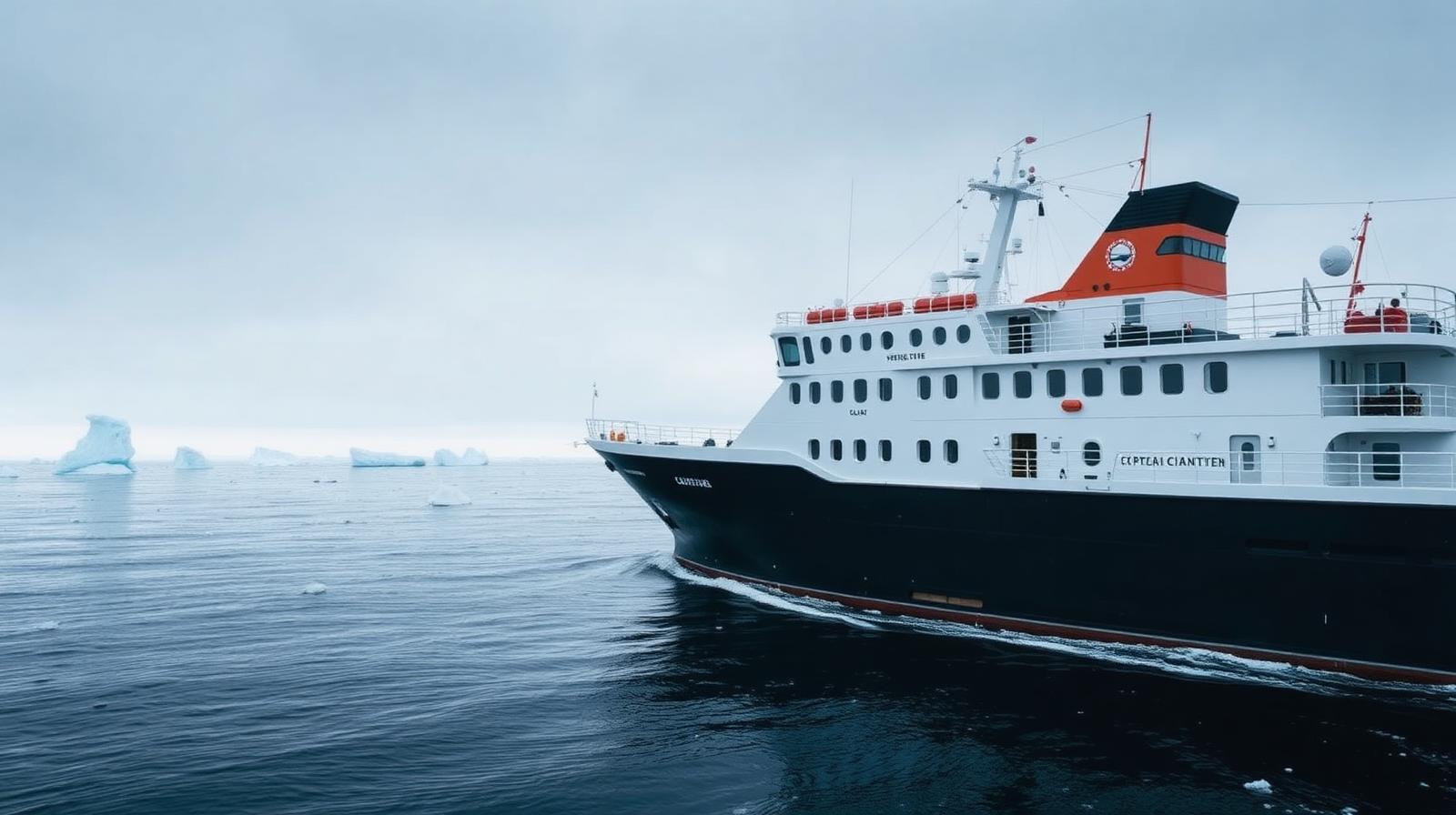
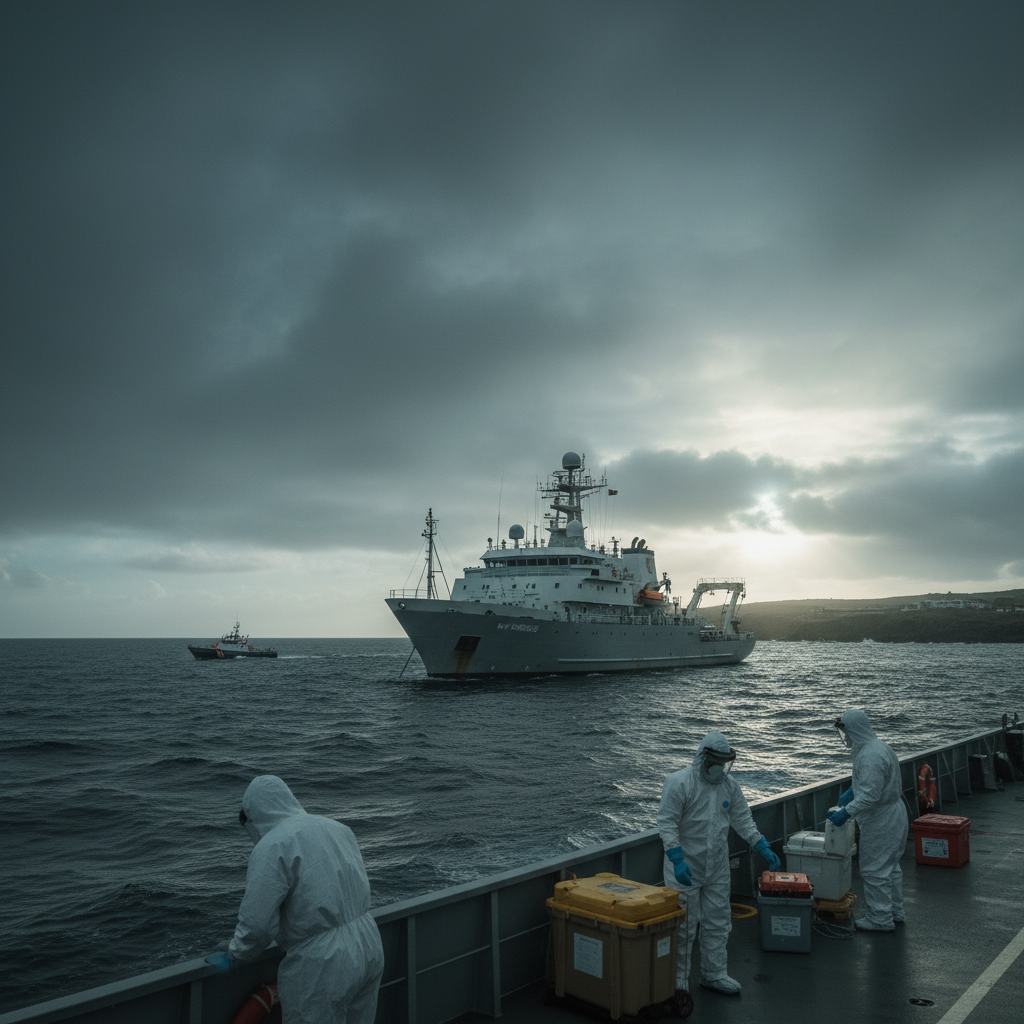
Five months after the MV Hondius was anchored under quarantine surveillance off Praia, Cape Verde, global health institutions and maritime authorities are confronting an ongoing wave of digital misinformation. Erroneous narratives circulating across social media platforms have distorted scientific facts surrounding Andes orthohantavirus, promoted unsubstantiated casualty numbers, and fueled unfounded conspiracy theories concerning the vessel's voyage. Public health agencies, including the World Health Organization (WHO), the Africa Centres for Disease Control and Prevention (Africa CDC). The European Centre for Disease Prevention and Control (ECDC), have repeatedly emphasized the necessity of relying strictly on verified epidemiological briefings. The gap between documented field observations and sensational viral posts highlights the challenges of risk communication during high-visibility maritime health events.
Claim: Andes Virus Has Mutated into an Airborne Super-Pathogen
Among the most widely amplified claims is the assertion that the pathogen detected aboard the MV Hondius has mutated to achieve sustained airborne transmission similar to measles or respiratory syncytial virus. Posts shared thousands of times on video and microblogging networks allege that entire coastal settlements in Cape Verde are vulnerable to wind-borne transmission from the anchored expedition vessel. What the science says: Public health agencies and infectious disease researchers confirm that Andes virus remains primarily a rodent-borne orthohantavirus, endemic to parts of South America, known to spread through inhalation of aerosolized rodent excreta. While Andes orthohantavirus is distinguished from other hantaviruses by its documented capacity for person-to-person transmission, scientific consensus indicates this occurs only through close, prolonged personal contact or direct exposure to infectious bodily fluids, typically among intimate partners, family caregivers, or healthcare workers in poorly ventilated clinical settings. According to technical guidance from the US CDC and the ECDC, there is no verified genomic or epidemiological evidence demonstrating broad aerosolized community transmission over open air or long distances. Health officials in Cape Verde have maintained maritime safety perimeters around the vessel as standard precautionary practice under the International Health Regulations, not since the virus can travel miles over sea breezes.
Claim: Unofficial Death Tolls and Secret Passenger Manifests
Another prominent category of misinformation involves unverified documents purporting to show suppressed death tolls and leaked manifests from the cruise vessel. Multiple online channels have claimed that dozens of fatalities have occurred in secret and that international bodies are enforcing an information embargo to protect commercial tourism interests. What the records say: Neither Cape Verde maritime officials, the vessel operator, the International Maritime Organization (IMO), nor international reporting agencies such as Reuters and the Associated Press have verified any leaked manifests.Official reporting channels maintain that all confirmed cases, diagnostic tests. Health outcomes associated with the quarantine remain subject to official verification protocols between the flag state, Cape Verde health authorities, and the WHO. Public health bodies refrain from publishing daily running estimates until laboratory confirmation via reverse transcription-polymerase chain reaction (RT-PCR) and serological testing is verified by reference laboratories.Analysts note that rumors often fill information vacuums when complex cross-border laboratory validations take time. Claims of secret mass casualties remain entirely unsubstantiated by any reputable source.
Claim: The Incident Was Caused by an Engineered Pathogen
Conspiracy accounts have repeatedly alleged that the presence of Andes hantavirus on a cruise vessel bound across the Atlantic points to laboratory release or deliberate bioweapon deployment. Such claims have gained traction by emphasizing the unusual geographic location of the vessel relative to the virus's native reservoir—the long-tailed pygmy rice rat (Oligoryzomys longicaudatus) native to the Southern Cone of South America. What investigators say: Field investigations into previous outbreaks show that travelers boarding vessels or aircraft in endemic rural areas during incubation periods can inadvertently transport pathogens across borders. While the precise route of introduction aboard the MV Hondius remains under formal epidemiological investigation, global health authorities have noted that natural spillover through human contact with contaminated environments in South America before departure is the standard, biologically plausible hypothesis. Neither the WHO nor any international security or maritime body has reported findings consistent with an artificial or engineered pathogen. Genomic sequencing of Andes orthohantavirus lineages is routinely compared against published wild-type reference genomes in international scientific databases.
Navigating the Information Landscape
Communication specialists from the Africa CDC and partner agencies warn that misinformation during maritime health crises carries real-world risks. False narratives can provoke undue panic in host ports, compromise cooperation with public health directives, and subject crew and passengers to severe stigmatization. To counter the spread of inaccurate information, public health communicators recommend that the public and media outlets adhere to three fundamental practices:
- Rely exclusively on validated situation reports issued directly by international agencies (WHO, ECDC, Africa CDC, US CDC) and relevant national ministries. * Reject anonymous screenshots, unsourced manifests, and social media videos that lack verifiable metadata or institutional confirmation. * Distinguish between confirmed laboratory diagnoses and unverified clinical suspicions while ongoing epidemiological reviews are active. Monitoring of the MV Hondius remains governed by established international maritime health protocols while independent health bodies continue their verification work.
Sources
- World Health Organization: https://www.who.int
- Africa Centres for Disease Control and Prevention: https://africacdc.org
- European Centre for Disease Prevention and Control: https://www.ecdc.europa.eu
- Centers for Disease Control and Prevention: https://www.cdc.gov
- International Maritime Organization: https://www.imo.org
- Reuters: https://www.reuters.com
- Associated Press: https://apnews.com