From El Bolsón to Cape Verde: How Maritime Andes Virus Outbreak Echoes Historical Clusters
Epidemiologists draw parallels between the MV Hondius quarantine off Cape Verde and landmark hantavirus events in the Americas, assessing the rare mechanics of Andes virus spread.
Echoes of Landmark Outbreaks
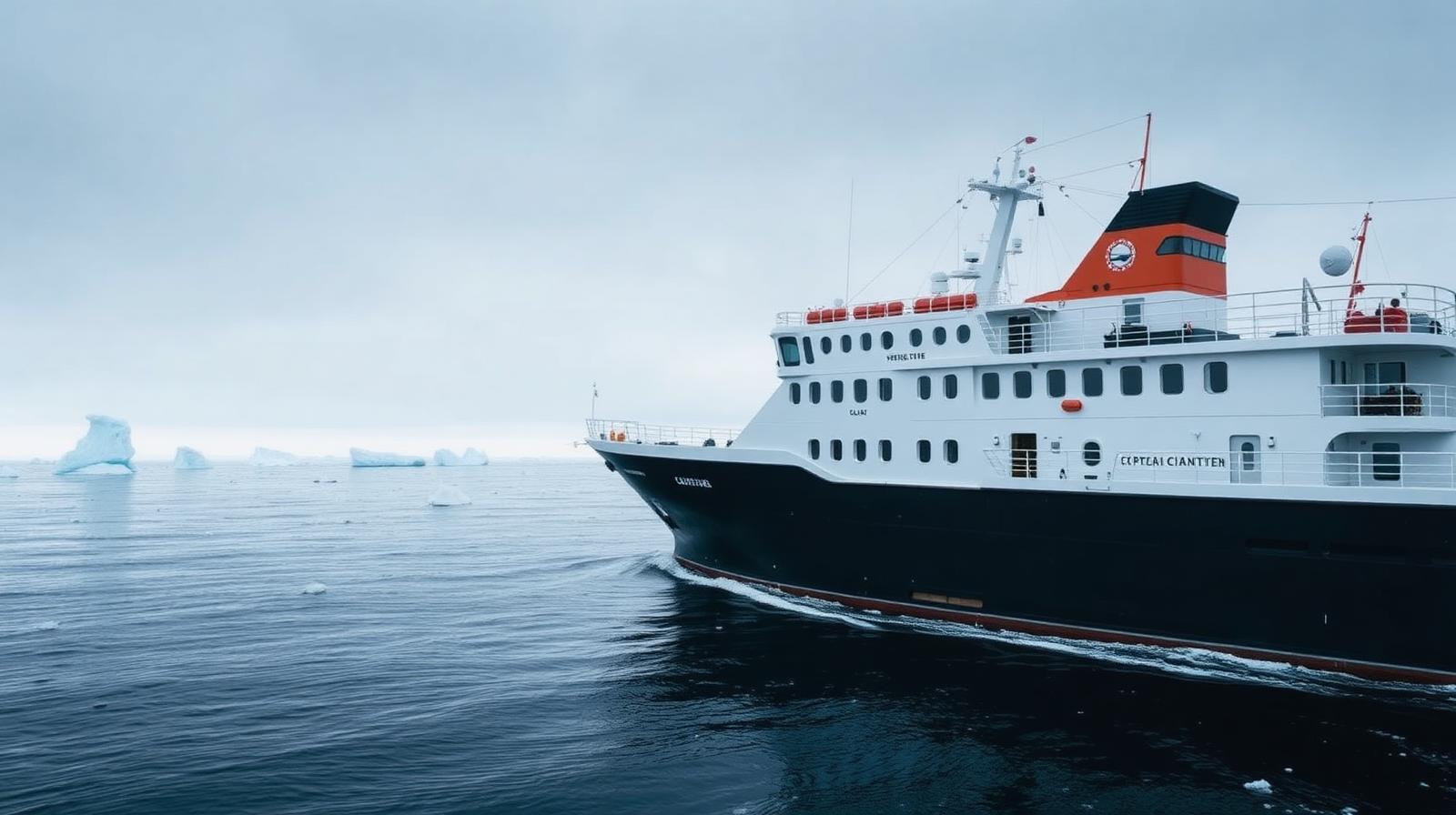
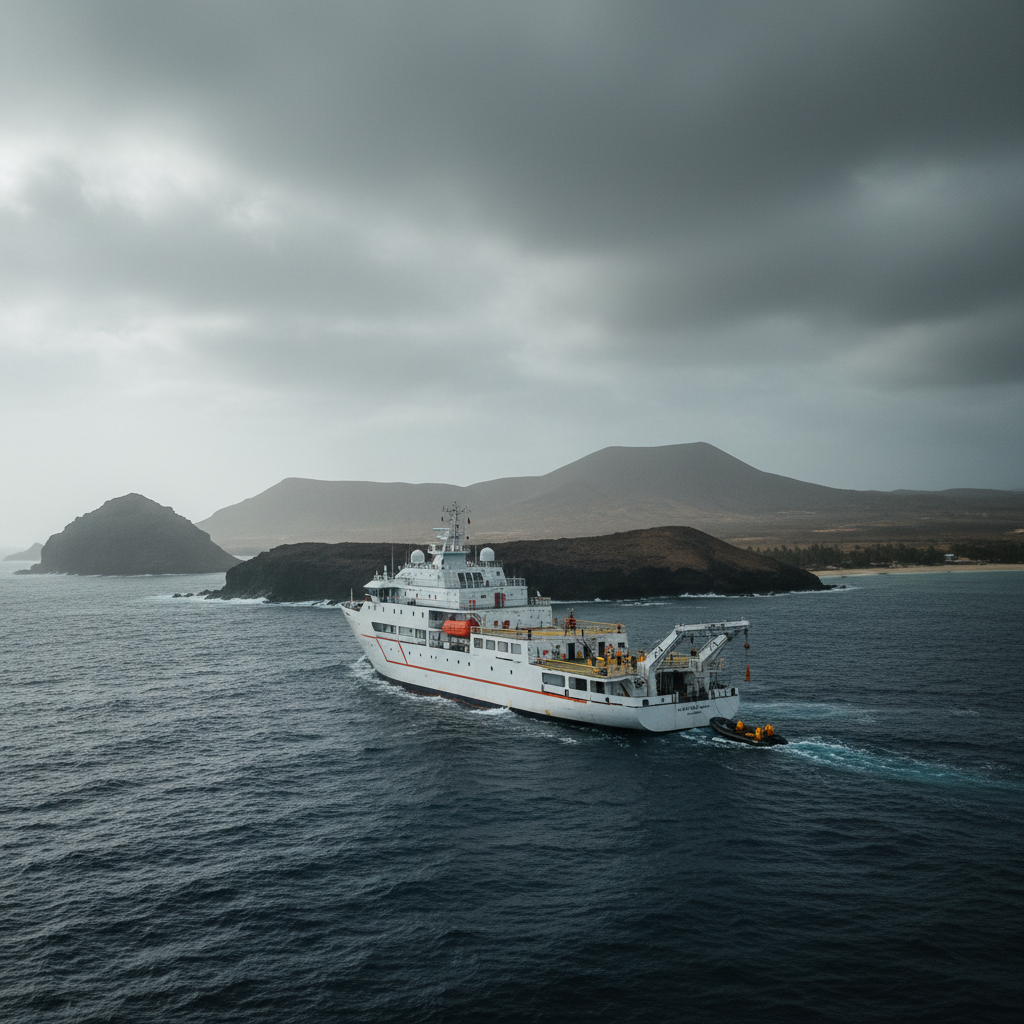
Five months after the expedition vessel MV Hondius arrived off Praia, Cape Verde, prompting international quarantine protocols under the International Health Regulations, public health researchers continue to contextualize the event within the broader history of New World hantaviruses. The vessel's isolation underscored a recurring challenge in infectious disease surveillance: managing an acute pathogen outside its endemic ecological niche. While hantaviruses are predominantly rodent-borne zoonoses tied to specific rural habitats across the Americas, the maritime incident has driven international agencies to revisit historical precedents. In public briefings and technical updates, epidemiologists from the World Health Organization (WHO), the U.S.Centers for Disease Control and Prevention (US CDC). The European Centre for Disease Prevention and Control (ECDC) have repeatedly cited three pivotal historical touchstones: the 1993 Four Corners outbreak in the United States, the 1996 El Bolsón outbreak in Argentina, and recurring familial clusters documented across southern Chile. Understanding the divergence between environmental rodent spillover and secondary human-to-human transmission remains central to determining how the Andes virus lineage behaves when transposed into confined, congregate settings.
Four Corners 1993: Defining Hantavirus Pulmonary Syndrome
The baseline for modern New World hantavirus epidemiology was established in May 1993, when clinicians in the Four Corners region of the southwestern United States identified a rapid, unexplained cluster of acute respiratory distress among previously healthy young adults. Investigations led by local health departments, the Indian Health Service, and the US CDC identified a novel viral etiology: Sin Nombre virus, carried by the deer mouse (Peromyscus maniculatus). The 1993 event defined the clinical presentation of Hantavirus Pulmonary Syndrome (HPS)—now frequently termed Hantavirus Cardiopulmonary Syndrome (HCPS)—characterized by non-specific prodromal symptoms followed by abrupt non-cardiogenic pulmonary edema, severe hypotension. High fatality rates. Critically, the Four Corners investigation confirmed that Sin Nombre virus transmission occurred almost exclusively through the inhalation of aerosolized rodent excreta, saliva, or urine. Rigorous contact tracing of family members, transport staff, and healthcare personnel identified no verified instances of secondary person-to-person spread. For several years, public health guidance maintained that all New World hantaviruses followed this strictly zoonotic pattern, presenting negligible risk of secondary transmission once patients were removed from infested environments.
El Bolsón 1996: The Paradigm Shifts to Person-to-Person Transmission
That consensus was overturned in late 1996 during an outbreak centered in El Bolsón, a community in the Río Negro province of southern Argentina. Health authorities investigating a localized surge of HCPS tracked multiple transmission chains that could not be explained by direct rodent contact alone. Epidemiologists documented transmission from index cases to household members, close social contacts, and a attending physician who had assisted during transit. Subsequent genetic sequencing confirmed that the causative agent—Andes virus (Andes orthohantavirus), naturally harbored by the long-tailed pygmy rice rat (Oligoryzomys longicaudatus)—was capable of interhuman transmission. The El Bolsón outbreak established that close, sustained physical contact, particularly during the late prodromal or early cardiopulmonary phases, could help transmission between humans. Although person-to-person spread was established as relatively inefficient compared to typical respiratory viruses, the event established Andes virus as biologically distinct from North American hantavirus strains. International guidelines were Then revised by the Pan American Health Organization (PAHO) and WHO to mandate contact tracing and droplet precautions for suspected Andes virus presentations.
Chilean Clusters: Intimate Contact and Incubation Dynamics
Subsequent investigations across central and southern Chile further refined the clinical and epidemiological profile of Andes virus. Public health studies published over the past two decades by Chilean health authorities and academic partners showd that secondary transmission occurs almost exclusively among intimate partners, co-sleeping family members, or caregivers providing unshielded personal assistance. These Chilean cohorts also illuminated the pathogen's protracted incubation period, which frequently spans several weeks—longer than typical acute respiratory infections. This extended window introduces bigly complexity to retrospective exposure assessments, as individuals may shed virus or develop prodromal signs long after departing the geographical zone where original exposure occurred. And, research in Chile revealed the existence of mild and occasionally subclinical presentations. While classic HCPS carries an exceptionally high case-fatality ratio across historical registries, surveillance in southern Chile established that the clinical spectrum is wider than initially documented, presenting additional challenges for symptom-based triage.
The Maritime Dimension: An Unprecedented Setting
The situation aboard the MV Hondius represents the first major instance in which an Andes virus cluster unfolded entirely within the isolated operational framework of an international maritime vessel.Unlike the rural valleys of Chubut, Río Negro, or Los Lagos, a passenger ship presents unique environmental parameters: shared dining spaces, recirculated HVAC environments. Sustained close living quarters. Public health agencies, including Africa CDC and the International Maritime Organization (IMO), monitored the vessel's anchorage off Praia to assess whether confined maritime conditions altered historical transmission dynamics. The primary scientific questions mirrored those raised during the Argentine and Chilean events: whether secondary cases resulted strictly from direct bodily fluid contact, or whether closed indoor environments posed additional risks. As technical evaluations proceed, health authorities emphasize that historical data remain the best benchmark. The Four Corners experience established the fundamental pathology of the syndrome; El Bolsón revealed the specific risk of secondary spread inherent to Andes virus; and Chilean clusters mapped the critical role of sustained proximity. The MV Hondius event now forms a new chapter in that lineage, demonstrating the need for global vigilance even when an endemic pathogen travels thousands of miles from its native rodent reservoir.
Sources
- World Health Organization: https://www.who.int
- U.S. Centers for Disease Control and Prevention: https://www.cdc.gov
- European Centre for Disease Prevention and Control: https://www.ecdc.europa.eu
- Pan American Health Organization: https://www.paho.org
- Africa CDC: https://africacdc.org
- International Maritime Organization: https://www.imo.org