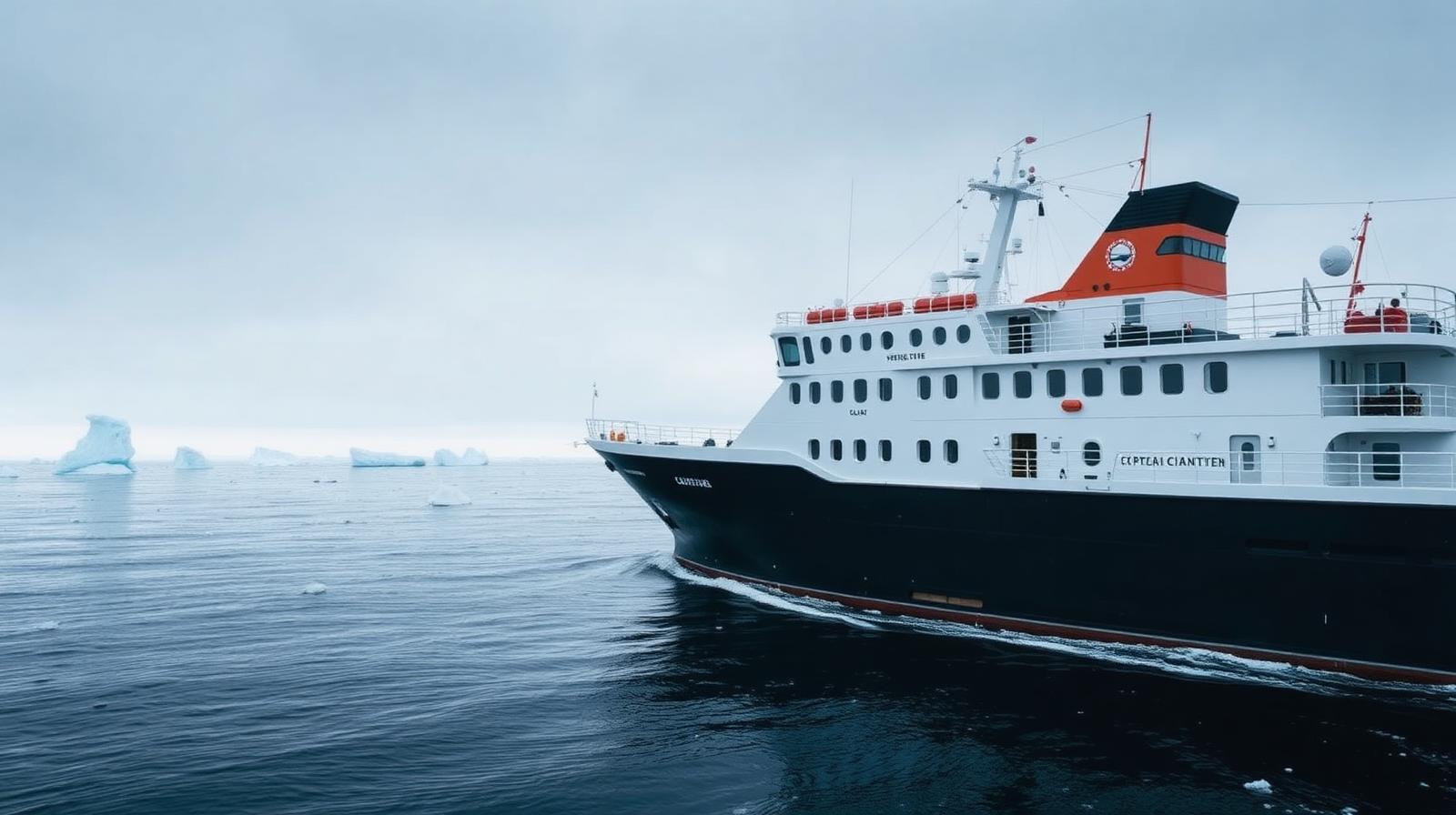
From Four Corners to Cape Verde: How Hondius Reshapes Hantavirus History
The MV Hondius crisis anchored off Praia represents the first maritime Andes virus outbreak, prompting epidemiologists to re-evaluate historical benchmarks from 1993 and 1996.
Historical Precedents and the Maritime Crucible
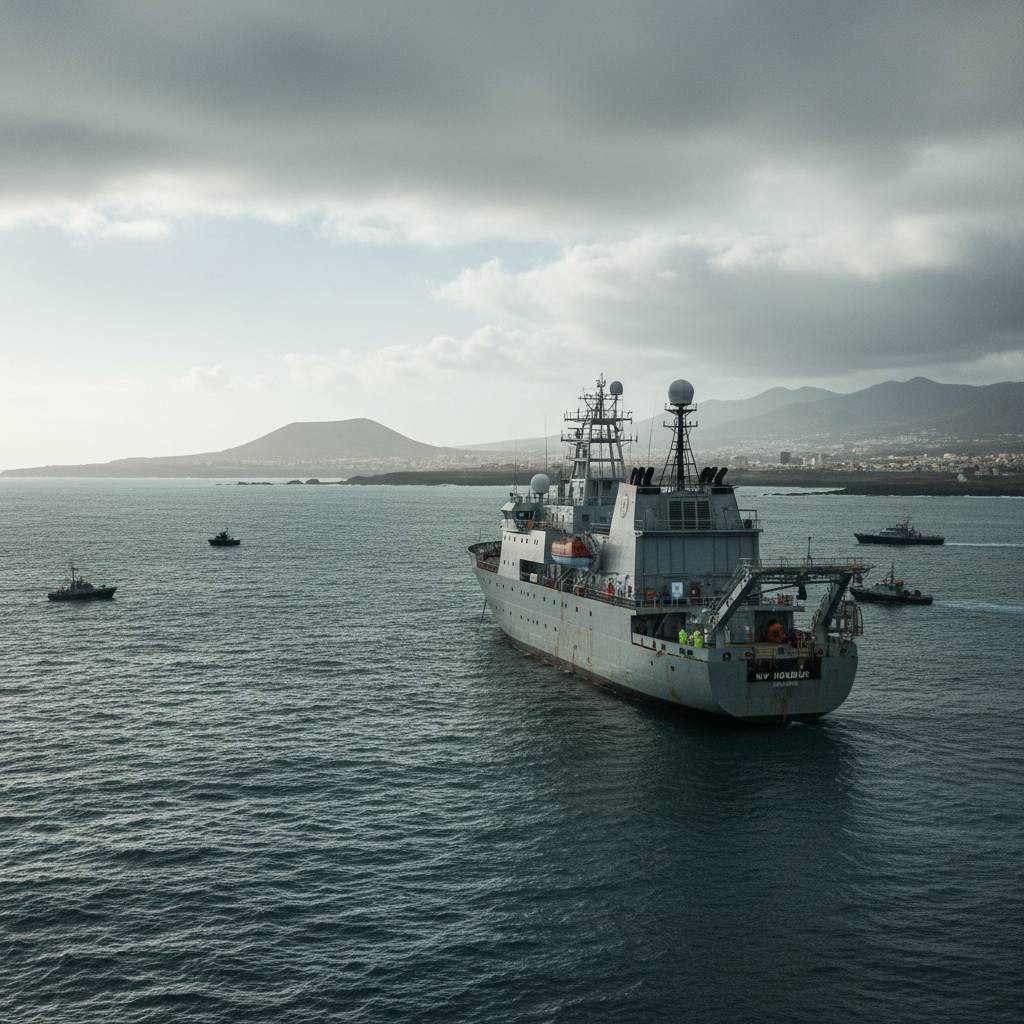
Five months after the MV Hondius was placed under maritime quarantine off the coast of Praia, Cape Verde, public health researchers are increasingly situating the episode within the broader history of New World hantaviruses. While previous public health emergencies involving Hantavirus Cardiopulmonary Syndrome (HCPS) were tied to remote rural settings in the Americas, the containment of Andes orthohantavirus aboard an expedition vessel has created an unprecedented epidemiological scenario. Historically, hantaviruses were treated by clinical protocols strictly as rodent-borne, non-contagious pathogens.The events unfolding aboard the Dutch-flagged vessel, But, echo the paradigm-shifting crises of the past three decades: the 1993 discovery of Sin Nombre virus in North America, the 1996 confirmation of human-to-human transmission in southern Argentina. Subsequent household cluster investigations across southern Chile. Yet, as epidemiologists advising the World Health Organization (WHO) and Africa CDC have observed, the MV Hondius represents a novel convergence of Andes virus biology with closed-environment maritime transmission.
The 1993 Four Corners Awakening
before May 1993, New World hantaviruses were largely unrecognized by Western medical surveillance. When a cluster of previously healthy young adults in the Four Corners region of the southwestern United States developed acute respiratory distress and rapid pulmonary edema, the initial investigation considered diverse toxicological and infectious etiologies. Coordinated work by the US Centers for Disease Control and Prevention (US CDC), local health departments. Indian Health Service clinicians ultimately identified the pathogen: Sin Nombre virus, carried by the deer mouse (Peromyscus maniculatus). Crucially, extensive field epidemiology in 1993 established that Sin Nombre didn't spread from person to person. Transmission occurred strictly through the inhalation of aerosolized rodent excreta, saliva, or urine. The 1993 outbreak established the baseline assumption that HCPS was an exclusively zoonotic dead-end infection for humans. That foundational assumption defined standard hospital infection control protocols globally for the next three years, until a distinct South American lineage challenged the rule.
El Bolsón 1996: The Person-to-Person Shift
In late 1996, clinicians in El Bolsón, a town in the Río Negro Province of Argentina, encountered an outbreak that confounded established CDC guidance.Patients admitted with severe cardiopulmonary compromise appeared to transmit the infection directly to their attending physicians, family members. Other close contacts who had no shared rural rodent exposures. Subsequent genetic sequencing and epidemiological tracing published in international journals confirmed that Andes virus—carried natively by the long-tailed pygmy rice rat (Oligoryzomys longicaudatus)—was capable of person-to-person transmission. The Argentine cluster remains the historical reference point for secondary hantavirus transmission, demonstrating that HCPS could spread through close personal contact, respiratory droplets, or intimate care during the late prodromal or early cardiopulmonary phases. Despite the El Bolsón findings, the prevailing scientific consensus maintained that person-to-person transmission of Andes virus was inefficient and relatively rare, typically requiring prolonged, close contact in domestic or clinical settings.
Chilean Household Clusters
Over the two decades following the El Bolsón outbreak, surveillance programs conducted by the Chilean Ministry of Health and academic researchers documented periodic, localized clusters throughout central and southern Chile. These events reinforced the distinctive characteristics of Andes virus. Chilean epidemiological data showd that secondary transmission primarily occurred among household members—specifically intimate partners and primary caregivers—who spent extended time in enclosed, poorly ventilated domestic environments during a patient's prodromal illness. Unlike seasonal influenza or respiratory syncytial virus, Andes virus rarely indicated sustained community transmission chains, with secondary attack rates within households remaining relatively low. These findings led infectious disease experts to conclude that Andes virus posed minimal risk of large-scale, self-sustaining outbreaks beyond immediate household clusters, provided basic barrier nursing and infection control measures were enacted.
The Closed Vessel: A New Environmental Context
Public health agencies, including the European Centre for Disease Prevention and Control (ECDC) and the International Maritime Organization (IMO), are now assessing how the physical environment of an expedition cruise ship alters these historical parameters. Unlike the agricultural settings of southern Chile or rural Argentina, a modern cruise vessel features recirculated air systems, shared dining facilities, narrow corridors. Shared quarters among crew members. When Andes virus was carried aboard the MV Hondius during its operational transit, the barrier between sylvatic exposure and dense human congregation vanished. While officials have not confirmed total historical case comparisons, technical reports indicate that the prolonged containment off Praia has required specialized air-handling reviews and rigorous isolation protocols far exceeding standard shipboard gastrointestinal outbreak controls. The close quarters of an expedition vessel may lower the barrier required for the pathogen's typically inefficient droplet transmission, blurring the line between intimate household contacts and institutional exposures.
Implications for Maritime Biosecurity
As the quarantine continues under Cape Verdean port authority oversight, international agencies are drawing direct lessons from the legacy of 1993 and 1996. The Four Corners outbreak showd the necessity of rapid genomic identification, while El Bolsón underscored the danger of underestimating transmission mechanisms. For the maritime sector, the MV Hondius crisis suggests that regional zoonoses can no longer be evaluated solely as localized threats. Port-of-call itineraries connecting remote sub-Antarctic or Patagonian biomes directly to transatlantic shipping routes demand enhanced pre-departure screening and revised onboard isolation guidelines for viral hemorrhagic and cardiopulmonary pathogens. Detailed genomic analyses comparing the MV Hondius isolates with historical Argentine and Chilean reference strains remain underway. The findings are expected to clarify whether specific viral mutations or simply the physics of shipboard confinement drove the events off Praia.
Sources
- World Health Organization: https://www.who.int
- European Centre for Disease Prevention and Control: https://www.ecdc.europa.eu
- US Centers for Disease Control and Prevention: https://www.cdc.gov
- Africa Centres for Disease Control and Prevention: https://africacdc.org
- International Maritime Organization: https://www.imo.org
- Reuters: https://www.reuters.com