Genomic Sequencing Confirms Andes Virus Lineage in MV Hondius Outbreak, Samples Shared to GISAID
International reference laboratories have posted complete Andes virus genomes to GISAID, confirming lineage ties to Southern Cone reservoirs as researchers track potential transmission markers.

International Sequencing Push Resolves Andes Orthohantavirus Genomes
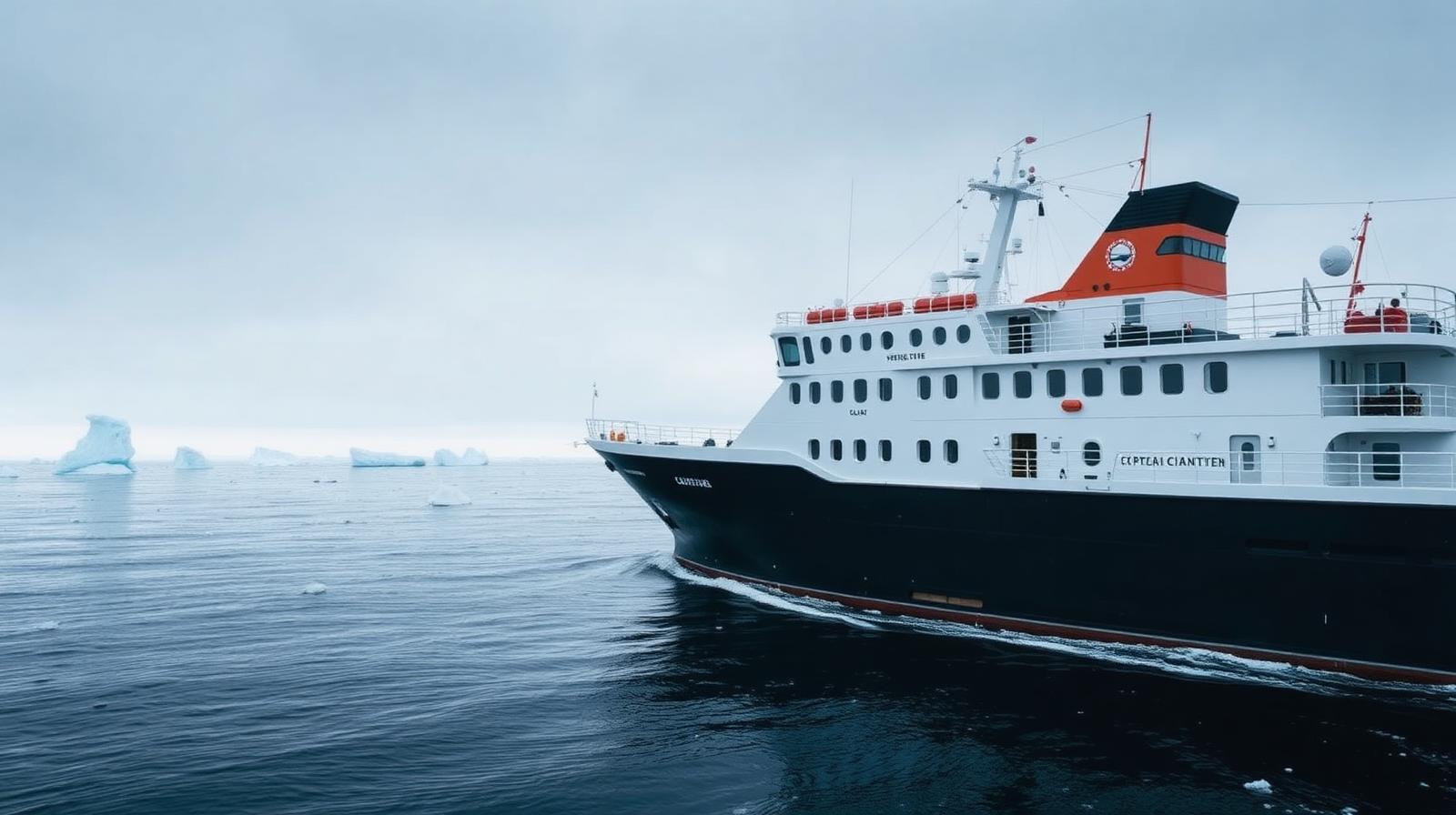
PRAIA, Cape Verde — International reference laboratories collaborating with the Cape Verde Ministry of Health, the Africa Centres for Disease Control and Prevention (Africa CDC). The World Health Organization (WHO) have completed initial high-throughput genomic sequencing of clinical samples obtained from the quarantined expedition vessel MV Hondius. According to technical bulletins reviewed by public health networks, complete and near-complete coding sequences for all three negative-sense RNA segments—Small (S), Medium (M). Large (L)—have been deposited in the GISAID public repository. The genetic characterization provides the first definitive molecular profile of the viral pathogen linked to the maritime health emergency currently anchored in territorial waters off Praia. The deposited data indicate that the pathogen is an authentic lineage of Andes orthohantavirus (ANDV), the sole hantavirus species known to possess the biological capacity for interhuman transmission under specific epidemiologic conditions. Bioinformatics pipelines operated across partner centers in Dakar, Lisbon, and Atlanta resolved the viral sequences, confirming that the isolated genomes cluster robustly within canonical South American clades.
Lineage Assignment Anchored to Southern Cone Reservoirs
Phylogenetic tree reconstruction based on the complete Medium segment, which encodes the envelope glycoprotein precursor (GPC), firmly assigns the MV Hondius isolates to the ANDV-South (ANDV-Sout) lineage. This viral clade is endemically maintained in wild populations of the long-tailed pygmy rice rat (Oligoryzomys longicaudatus), primarily found in southern Chile and southwestern Argentina. Comparative nucleotide alignment against reference strains available on GenBank and GISAID revealed greater than 98 percent sequence identity to historical human and rodent isolates documented in Patagonia. Molecular clock estimations and single-nucleotide polymorphism (SNP) profiling conducted by collaborating teams indicate that the sequenced virus is consistent with an environmental or rodent spillover occurring in the Southern Cone before the vessel's transatlantic repositioning toward West Africa. Public health agencies have noted that the absence of bigly genetic drift relative to terrestrial reference strains suggests the virus has not undergone prolonged unmonitored circulation in an novel animal reservoir. Instead, the molecular architecture reflects a direct lineage link to the endemic ecological zones frequented during polar and sub-Antarctic expedition itineraries.
Low Intra-Outbreak Divergence and Sequence Submissions
Laboratory staff utilizing targeted amplicon sequencing and metagenomic next-generation sequencing (mNGS) have processed multiple human clinical specimens, including acute-phase serum, plasma. Endotracheal aspirates collected during onboard triage before strict containment protocols were imposed. Analysis across the individual consensus genomes shared with GISAID reveals remarkably low intra-host and inter-host genetic diversity. Public health geneticists reported near-identical consensus sequences across different patient isolates, exhibiting zero to two consensus-level nucleotide differences across the approximately 11.8-kilobase tripartite genome. In genomic epidemiology, such high sequence homogeneity across distinct clinical cases strongly supports a shared, single point of origin, consistent with either a common-source exposure event or tight, rapid chains of secondary transmission occurring within an enclosed shipboard environment over a short incubation window. Officials have stressed that whether transmission occurred via direct person-to-person contact, shared aerosol exposure in closed compartments, or both remains under epidemiological investigation. Public health authorities have maintained strict data transparency standards by depositing raw read archives and consensus assemblies into GISAID under open-access research terms, allowing global researchers to inspect structural models of the viral proteins.
Scrutiny of Glycoprotein and Polymerase Loci
Virologists and structural biologists are focusing intensive analytical scrutiny on the Medium and Large segments of the recovered genomes. The Medium segment's GPC gives rise to the surface glycoproteins Gn and Gc, which help cellular attachment, membrane fusion, and host immune recognition. Preliminary screening of the translated amino acid sequences against historical Chilean and Argentine ANDV strains has not identified novel structural mutations in the fusion loop or receptor-binding regions. The conserved zinc-finger motifs within the Small-segment nucleocapsid protein (N) and the RNA-dependent RNA polymerase catalytic core on the Large segment also show intact functional domains with no evidence of recombinant events or unexpected insertions. Global health bodies, including the US Centers for Disease Control and Prevention (US CDC) and the European Centre for Disease Prevention and Control (ECDC), have emphasized in ongoing guidance that genetic markers for enhanced human-to-human transmission in orthohantaviruses remain incompletely characterized. As a result, the presence of standard Patagonian ANDV markers doesn't reduce the biological plausibility of secondary transmission, given that wild-type Andes virus already possesses this rare phenotypic potential.
Containment, Environmental Sampling, and Reference Support
The genomic findings are directly informing ongoing operational decisions aboard the MV Hondius.With technical guidance from the International Maritime Organization (IMO) and the WHO, port authorities in Cape Verde are maintaining restricted offshore quarantine while environmental swabs collected from the ship's galley, cargo holds. Ventilation ducting are processed. Africa CDC laboratory coordinators confirmed that specialized viral transport media carrying non-infectious, heat-inactivated environmental samples have been transferred to accredited biosafety level 4 (BSL-4) and BSL-3 enhancement facilities abroad to attempt reverse-transcription polymerase chain reaction (RT-PCR) testing and environmental metagenomics. These tests aim to clarify whether persistent environmental contamination exists in localized areas of the ship. At present, global health officials have not announced any secondary community spread on the Cape Verdean mainland. Molecular diagnostic platforms utilizing specific ANDV primers have been distributed to regional hospital centers across Praia to ensure rapid genomic verification of any suspected febrile illness exhibiting acute cardiopulmonary manifestations.
Sources
- World Health Organization: https://www.who.int
- Africa Centres for Disease Control and Prevention: https://africacdc.org
- European Centre for Disease Prevention and Control: https://www.ecdc.europa.eu
- US Centers for Disease Control and Prevention: https://www.cdc.gov
- International Maritime Organization: https://www.imo.org
- GISAID Initiative: https://gisaid.org