Global Agencies Expand Surveillance Framework Following MV Hondius Investigation
WHO, Africa CDC, ECDC, and US CDC issue updated maritime guidance as cross-border epidemiological assessments of the Andes virus incident continue.
Joint Operational Task Force Establishes Consolidated Monitoring Protocol
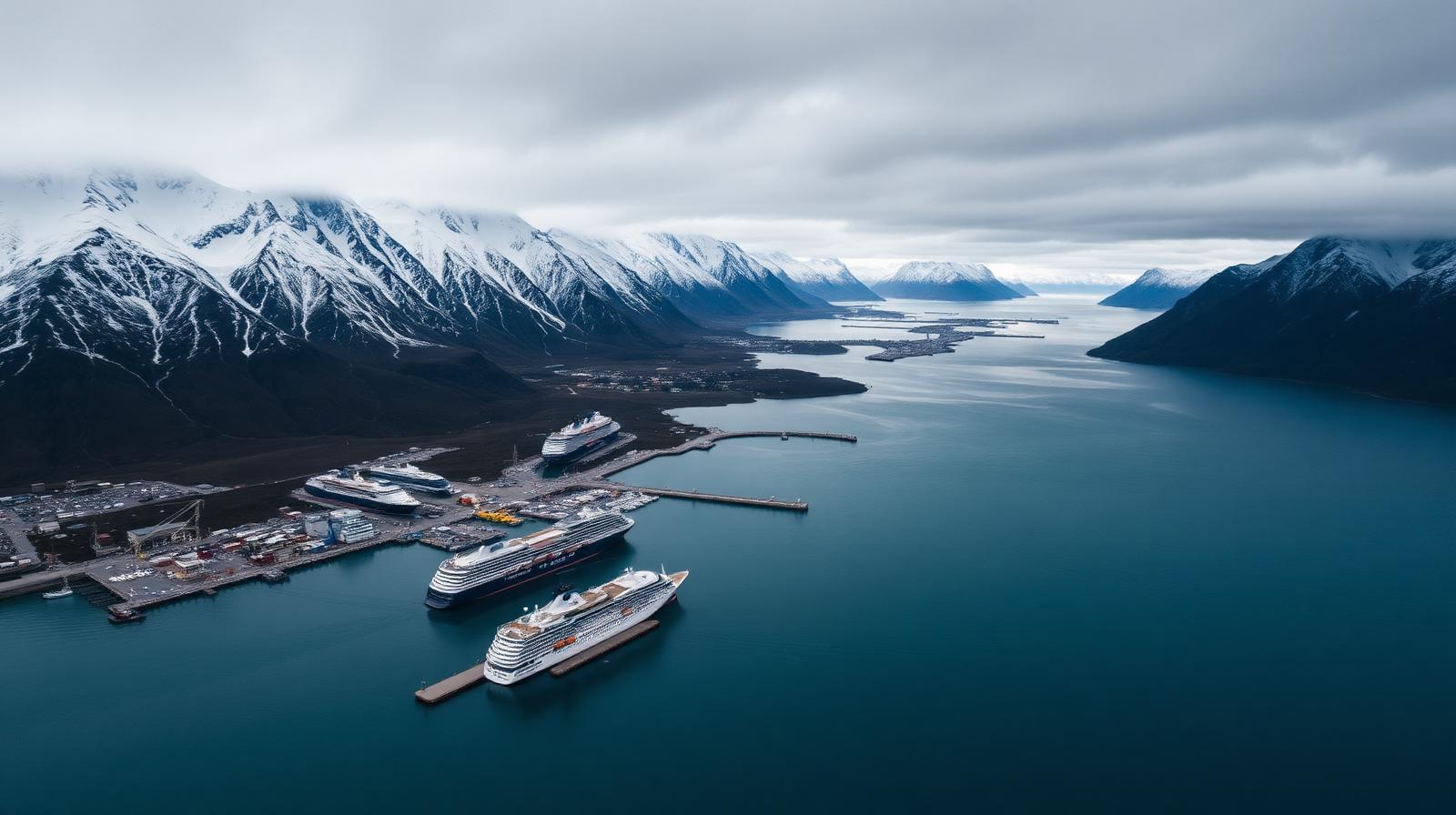
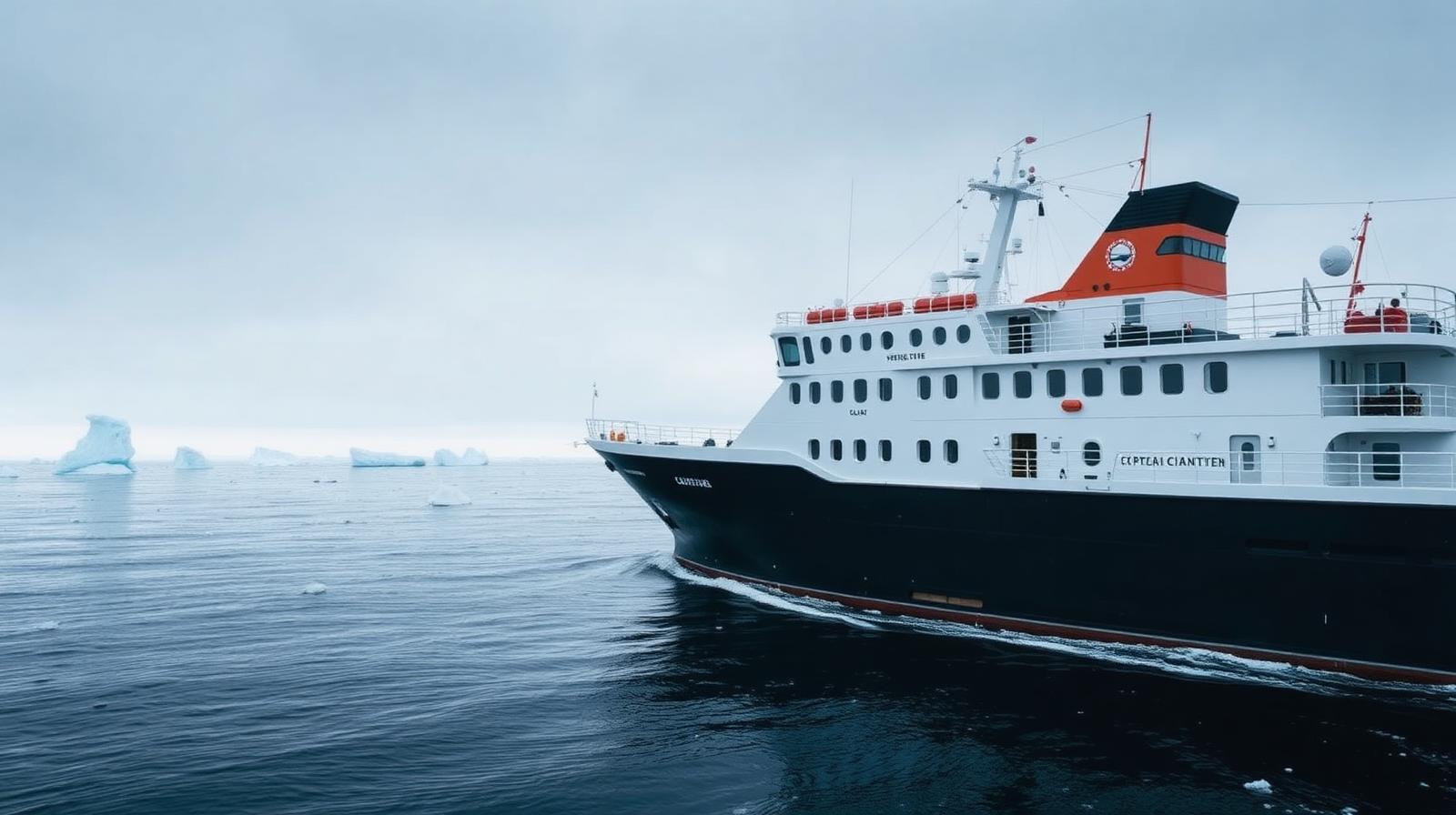
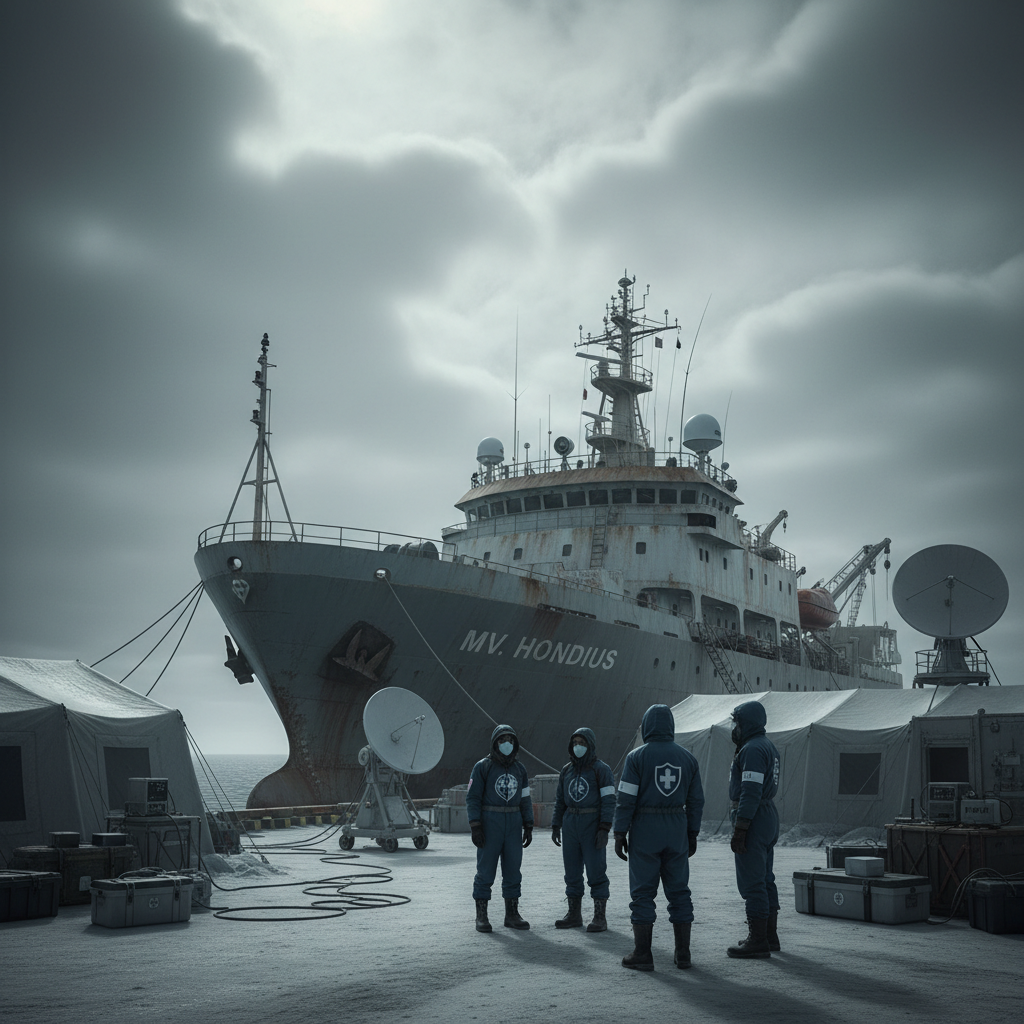
GENEVA — Five months after the polar expedition vessel MV Hondius arrived off Praia, Cape Verde, following an on-board detection of Andes orthohantavirus, international health authorities have transitioned emergency response mechanisms into a permanent maritime surveillance framework. The World Health Organization (WHO), the European Centre for Disease Prevention and Control (ECDC), the Africa Centres for Disease Control and Prevention (Africa CDC). The United States Centers for Disease Control and Prevention (US CDC) are coordinating ongoing follow-up under International Health Regulations (IHR 2005). Public health authorities have not released final totals of confirmed cases or fatalities from the incident, maintaining that comprehensive epidemiological reconciliation across participating member states remains underway. But, technical leads from all four agencies confirmed this week that joint working groups are actively standardizing protocols for viral rodent-borne hazards aboard commercial and passenger vessels operating remote itineraries. The multilateral effort addresses specific vulnerabilities exposed when vessels transition directly between isolated ecological habitats—such as southern South American sub-polar zones where Oligoryzomys longicaudatus (the long-tailed pygmy rice rat) serves as the primary reservoir for Andes virus—and international transit hubs.
Inter-Agency Alignment on Maritime Health Declarations
Under the joint coordination model, the International Maritime Organization (IMO) and the WHO have initiated a review of Maritime Declarations of Health submitted before port entry.While standard maritime declarations require captains to notify port health officers of infectious diseases on board, existing instruments historically prioritized vector-borne arboviruses, respiratory illnesses such as influenza and COVID-19. Gastrointestinal pathogens like norovirus. The revised technical guidance, drafted in consultation with the US CDC’s Division of Global Migration and Quarantine and the ECDC’s epidemic intelligence team, introduces targeted assessment pathways for orthohantaviruses, particularly lineages known to exhibit potential for person-to-person transmission. Key areas of alignment across the agencies include:
- Standardized environmental auditing: Accelerated vessel inspections focusing on enclosed storage decks, ballast spaces, and cargo bays following calls at ports near endemic rodent habitats. * Point-of-entry isolation criteria: Clearer thresholds for establishing shipboard quarantine versus medically evacuated isolation, harmonizing guidance across port health authorities in Africa and Europe. * Enhanced contact tracing windows: Extended follow-up timelines accounting for the incubation period of Andes orthohantavirus, which can range from one to several weeks.
Laboratory Harmonization and Diagnostic Capacity
A central focus of the joint response has been reference laboratory coordination. Andes virus diagnosis requires specialized molecular assays and serological confirmation that are rarely available in standard port laboratories. To bridge this gap during and after the MV Hondius quarantine period off Santiago Island, Africa CDC collaborated with regional partner institutes, including the Institut Pasteur de Dakar, to support local processing in Praia alongside technical backstopping from European and North American laboratories. US CDC viral special pathogens specialists and ECDC-affiliated laboratories provided validated primer sequences and positive control materials to ensure standardized reverse transcription-polymerase chain reaction (RT-PCR) testing. Officials report that genomic sequencing data generated from samples obtained during the event continue to be analyzed collaboratively. The shared genomic data will clarify lineage characteristics of the detected strain without compromising individual patient confidentiality, which agencies have strictly protected.
Africa CDC Bolsters Island and Atlantic Port Defenses
Africa CDC has prioritized strengthening maritime surveillance networks among Atlantic island nations and West African littoral states. While Cape Verde bore the operational brunt of hosting the vessel during its offshore quarantine, regional authorities have emphasized that modest island developing states require reinforced contingency funding and rapid-deployment logistics. Through its Western Africa Regional Coordinating Centre, Africa CDC conducted simulation reviews this month assessing port health readiness in Praia, Mindelo, and neighboring regional ports.The evaluations highlighted the need for stockpiles of high-level personal protective equipment (PPE), specialized mobile negative-pressure isolation units. Reinforced training for port sanitation officers tasked with deratting inspections. ECDC and Africa CDC representatives have also held bi-weekly technical dialogues to harmonize communication with national focal points, as several passengers and crew members originally embarked or held citizenship across various European Union member states and African nations.
US CDC Refines Expedition Travel Guidance
In North America, the US CDC has maintained updated clinical guidance for medical practitioners evaluating returning travelers from remote maritime voyages. Clinicians have been alerted to consider hantavirus cardiopulmonary syndrome (HCPS) in the differential diagnosis of acute febrile respiratory illness where patients have a history of recent wilderness, adventure, or expedition-style travel, even if disembarkation occurred thousands of nautical miles from known terrestrial foci. The agency emphasizes early supportive care, avoidance of aggressive fluid over-resuscitation in the presence of increased capillary permeability, and prompt consultation with critical care specialists. International coordinators state that a unified technical report summarizing systemic lessons learned from the MV Hondius response is expected to be finalized for submission to the WHO Executive Board during upcoming statutory sessions.
Sources
- World Health Organization: https://www.who.int
- European Centre for Disease Prevention and Control: https://www.ecdc.europa.eu
- Africa Centres for Disease Control and Prevention: https://africacdc.org
- Centers for Disease Control and Prevention: https://www.cdc.gov
- International Maritime Organization: https://www.imo.org
- Reuters: https://www.reuters.com