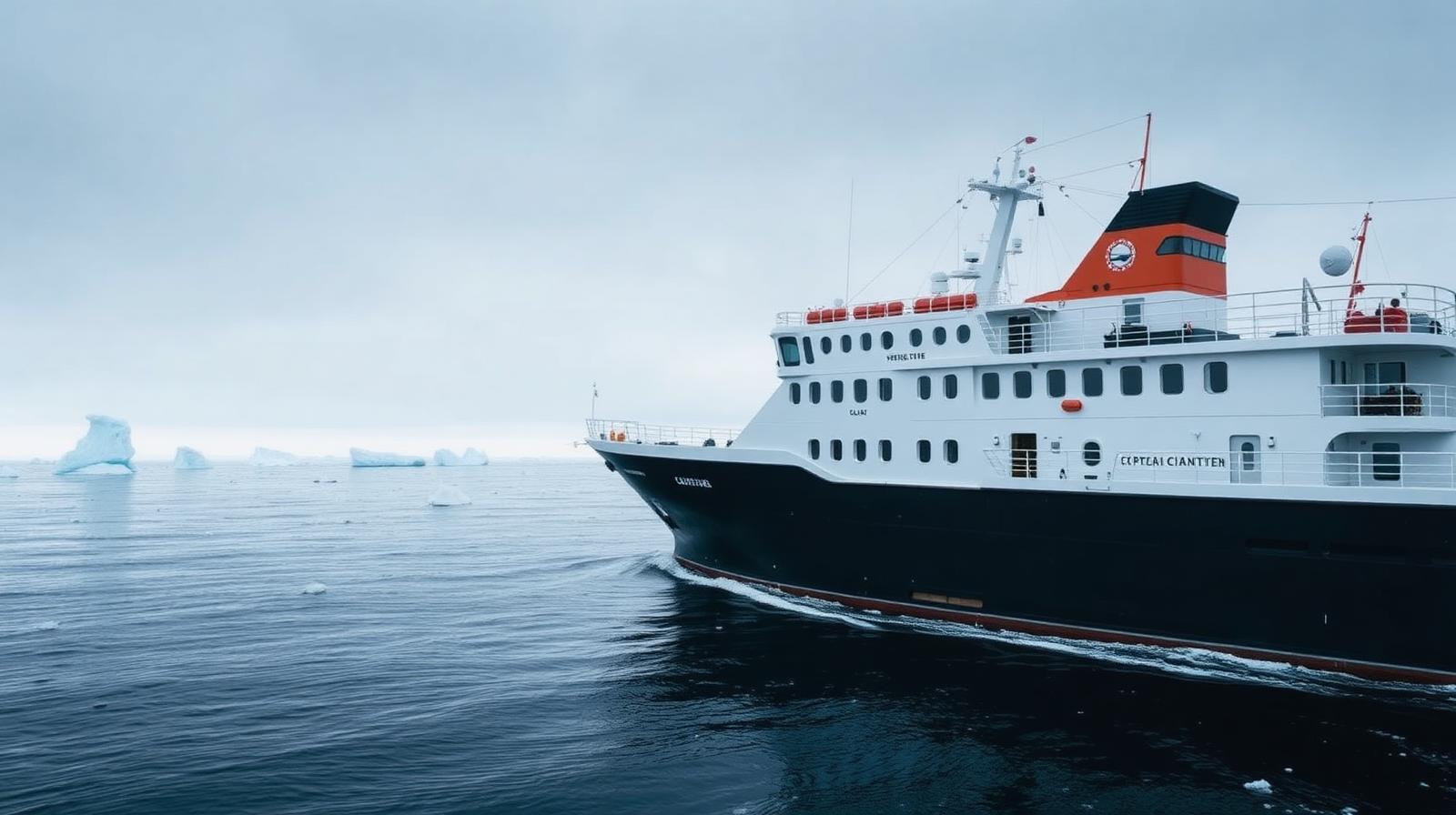
Global Health Agencies Boost Coordination as Hondius Andes Outbreak Response Intensifies
WHO, ECDC, Africa CDC, and US CDC are enhancing joint efforts to contain the hantavirus outbreak linked to the MV Hondius Andes, issuing unified advisories and bolstering surveillance amidst growing international concern.
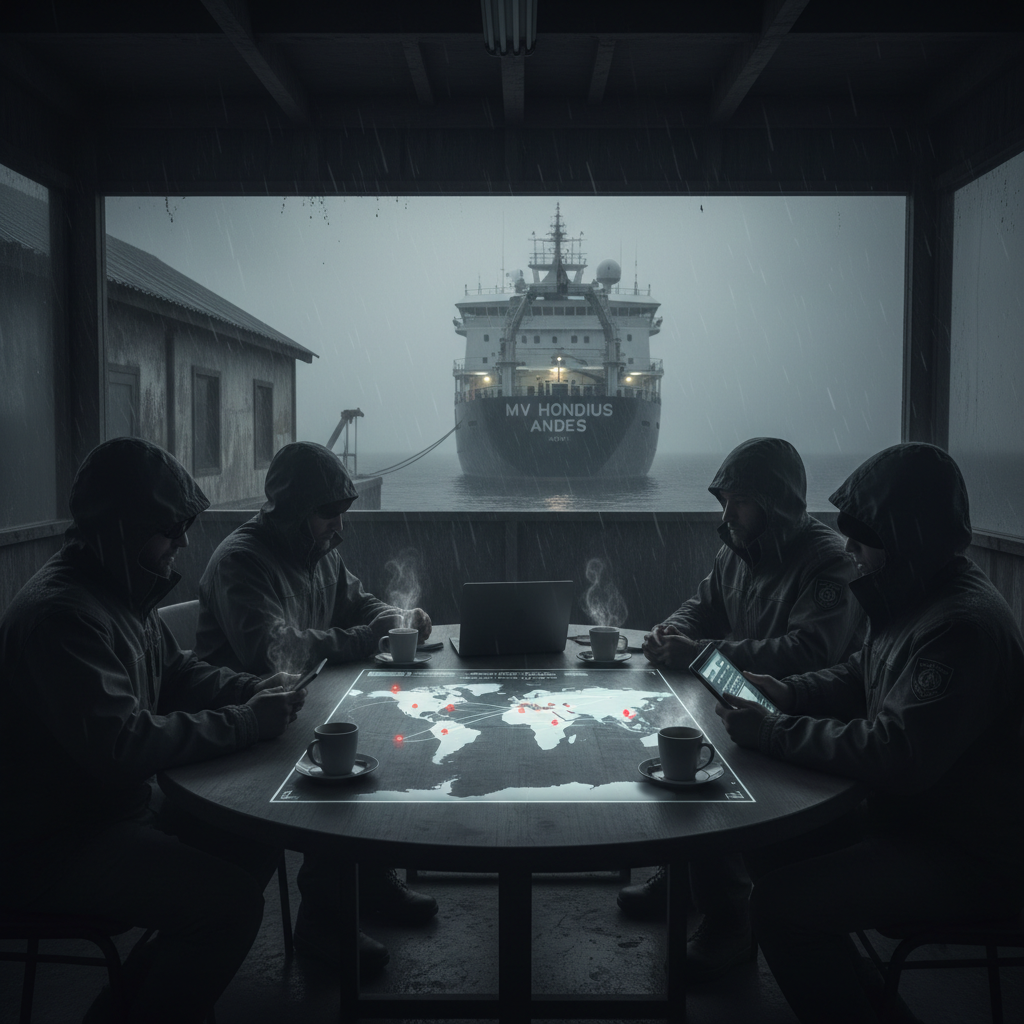
International Health Agencies Scale Up Hantavirus Response
PRAIA, Cape Verde – As the public health crisis stemming from the MV Hondius Andes hantavirus outbreak continues, leading global health organizations have bigly ramped up their coordinated response. The World Health Organization (WHO), European Centre for Disease Prevention and Control (ECDC), Africa Centres for Disease Control and Prevention (Africa CDC), and the U.S. Centers for Disease Control and Prevention (US CDC) are working in concert to manage the evolving situation, which has seen the cruise ship anchored off Praia since May 2026.
Joint Risk Assessments and Advisory Issuance
From the onset, the magnitude of the outbreak necessitated a unified approach. The WHO, acting as the primary global health authority, helpd early communication channels between the involved agencies. Joint risk assessments, pooling expertise from all four bodies, have been crucial in understanding the pathogen's behavior in a maritime context and its potential for wider transmission. These assessments have informed a series of coordinated advisories issued to member states, particularly those with nationals aboard the MV Hondius Andes or those in proximity to Cape Verde. ECDC, focusing on the European Union and European Economic Area, has specifically advised member states on enhanced surveillance protocols for returning travelers and crew members. Their guidance includes recommendations for specific diagnostic testing and clinical management guidelines for suspected or confirmed cases, ensuring a standardized approach across the continent. Similarly, Africa CDC has been instrumental in disseminating information and preparedness guidelines to African Union member states, emphasizing border health measures and strengthening laboratory capacities in anticipation of potential spread.
Enhanced Surveillance and Epidemiological Support
The US CDC has deployed expert teams to support local health authorities in Praia and collaborate directly with the WHO and Africa CDC. Their efforts have focused on enhancing epidemiological surveillance, contact tracing, and providing specialized laboratory support. This includes assistance with genomic sequencing of viral samples to better understand the hantavirus strain involved and its potential origins, although specific findings have not yet been publicly released as of 2026-10-18. Data sharing between these agencies has been a cornerstone of the response. Regular teleconferences and secure data platforms ensure that real-time information on case numbers (publicly reported figures), epidemiological links, and clinical outcomes are accessible to all key players. This collaborative data environment allows for a dynamic risk assessment and swift adjustments to response strategies.
Technical Guidelines and Capacity Building
Beyond surveillance, a bigly aspect of the joint response involves the development and dissemination of technical guidelines. The WHO, in collaboration with the ECDC and US CDC, has updated its hantavirus clinical management protocols to reflect lessons learned from the Hondius Andes incident. These guidelines cover infection prevention and control (IPC) measures, personal protective equipment (PPE) recommendations, and biosafety protocols for handling patient samples. Africa CDC has led efforts in capacity building within the region, organizing virtual training sessions and providing resources to national public health institutes. This aims to bolster their ability to detect, diagnose, and manage hantavirus cases, mitigating the risk of the outbreak establishing new foci on the continent. The US CDC has also contributed resources for laboratory diagnostics and outbreak investigation training, particularly in areas identified as high-risk by the joint assessments.
Challenges and Continued Coordination
Despite strong coordination, challenges persist. The unusual nature of a hantavirus outbreak on a cruise ship, coupled with the logistical complexities of managing a quarantined vessel, demands continuous adaptation. Securing necessary medical supplies, ensuring the well-being of stranded passengers and crew, and managing public communication remain critical areas of focus. The global health community, through the concerted efforts of WHO, ECDC, Africa CDC, and US CDC, shows a united front against this unprecedented maritime health crisis. Their ongoing collaboration is essential to containing the current outbreak and informing future preparedness for similar events.