Global Health Agencies Coordinate Response to MV Hondius Andes Hantavirus Event
Leading international and regional health organizations, including WHO, ECDC, Africa CDC, and US CDC, have intensified collaborative efforts to contain and manage the ongoing hantavirus outbreak aboard the MV Hondius Andes, anchored off Praia, Cape Verde, as the situation enters its critical fourth month.
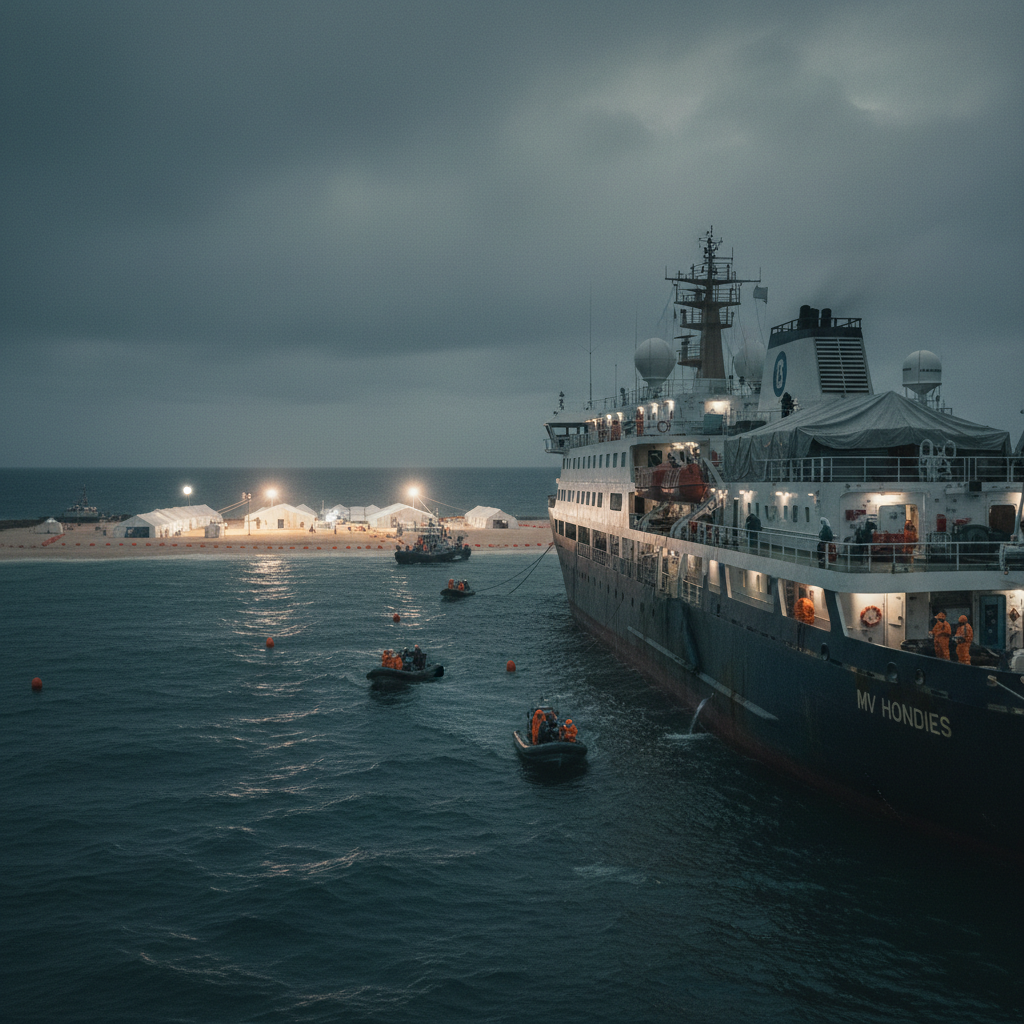
International Health Agencies Mobilize Against Hondius Andes Outbreak
Praia, Cape Verde – September 5, 2026 – A strong, multi-agency public health response is underway as the MV Hondius Andes hantavirus outbreak continues to challenge international health authorities. The World Health Organization (WHO), European Centre for Disease Prevention and Control (ECDC), Africa Centres for Disease Control and Prevention (Africa CDC), and the U.S. Centers for Disease Control and Prevention (US CDC) are actively coordinating efforts to mitigate the spread and manage the health crisis on board the cruise ship, anchored near Praia, Cape Verde, since May 2026.
WHO Leads Global Coordination and Guidance
The World Health Organization has taken a leading role in convening international partners and issuing crucial public health guidance.WHO advisories, disseminated since the initial reports of the outbreak, have focused on surveillance protocols, diagnostic testing recommendations. Infection prevention and control (IPC) measures specific to hantavirus in a confined maritime environment. The organization has emphasized the importance of strong contact tracing and the isolation of symptomatic individuals to prevent further transmission. Experts from WHO have been instrumental in liaising with Cape Verdean health authorities, providing technical support and resource coordination.
ECDC Supports European Preparedness and Surveillance
The European Centre for Disease Prevention and Control has closely monitored the situation, particularly given the large number of European nationals believed to be among the ship's passengers and crew. ECDC communications have focused on informing Member States around the evolving risk and reinforcing preparedness measures for potential repatriations or transfers of affected individuals. The ECDC has also provided detailed guidance on appropriate biosafety levels for handling hantavirus samples and has underscored the need for enhanced syndromic surveillance in European ports receiving vessels that may have been in contact with the Hondius Andes or its recent itinerary.
Africa CDC Bolsters Regional Response Capacity
Africa CDC has been critical in supporting the regional response, working closely with Cape Verde's national public health institute. The organization has focused on strengthening laboratory diagnostic capabilities within the region and providing training for frontline health workers on hantavirus case management and outbreak response. Africa CDC's advisories have highlighted the potential for cross-border health implications and called for enhanced vigilance at points of entry. Their engagement underscores a proactive strategy to prevent broader regional dissemination and to support affected African nations.
US CDC Offers Technical Expertise and Resource Deployment
From the outset, the U.S. Centers for Disease Control and Prevention has been deeply involved, offering bigly technical expertise and resources. US CDC has deployed specialist teams to assist with epidemiological investigations, clinical management protocols, and environmental assessments onboard the MV Hondius Andes.Their advisories have included detailed recommendations for healthcare providers on the clinical presentation, diagnosis. Treatment of hantavirus pulmonary syndrome (HPS), given the severe nature of the illness. The US CDC has too provided guidance for U.S. Citizens and public health agencies regarding travel implications and screening measures.
Joint Coordination and Challenges
The collaboration between these major health organizations exemplifies a concerted global effort against a novel maritime public health crisis. Regular joint briefings and technical working groups have been established to share intelligence, harmonize guidance, and streamline logistics.Despite these coordinated efforts, challenges persist, including the complexities of maintaining stringent infection control aboard a cruise vessel, managing crew and passenger welfare. Ensuring secure and ethical repatriation or transfer processes. The long-term anchoring of the vessel off Praia continues to pose unique operational and public health considerations that demand sustained international cooperation. Officials from all agencies have reiterated their commitment to containing the outbreak and protecting global public health. The coordinated response aims to ensure that lessons learned from the MV Hondius Andes event can inform future preparedness strategies for similar international health emergencies.



