Global Travel Advisories Evolve Amid Hondius Andes Hantavirus Event
International and national health agencies are updating travel guidance for cruise passengers as the MV Hondius Andes hantavirus outbreak continues to unfold off Cape Verde, impacting passenger screening and port entry.
International Bodies Issue Consolidated Guidance
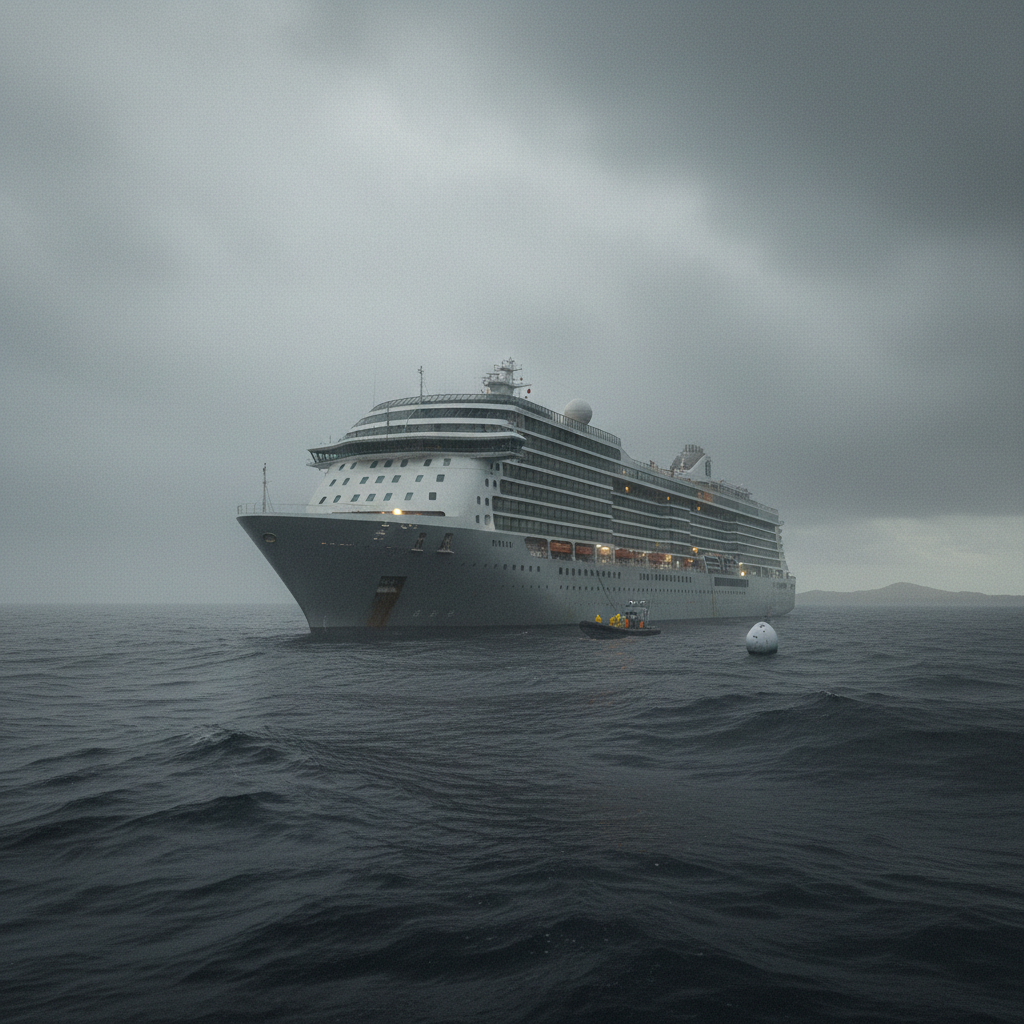
PRAIA, Cape Verde — As the MV Hondius Andes remains anchored off Praia, the global public health community is refining its travel advisories pertaining to cruise ship travel, specifically concerning the ongoing hantavirus event. Major international health organizations, including the World Health Organization (WHO) and the European Centre for Disease Prevention and Control (ECDC), have issued consolidated guidance aimed at national health authorities and the public. The WHO, through its Emergency Committee, has continued to emphasize enhanced surveillance for returning cruise passengers, particularly those who have been on board vessels operating in proximity to the MV Hondius Andes or those with recent travel histories in the region. Their advisories underscore the importance of early detection and isolation for individuals presenting with symptoms consistent with hantavirus infection. Similarly, the ECDC has disseminated risk assessment updates to its member states, detailing recommendations for port health authorities regarding disembarking passengers from potentially exposed vessels. Africa CDC has focused its guidance on regional collaboration, urging member states to strengthen their capacities for disease surveillance and rapid response, especially in coastal areas and port cities. They highlight the need for standardized health declaration forms and symptom screening protocols for inbound travelers from affected regions or cruise ships.
National Responses and State-by-State Variances
Mirroring the international advisories, numerous national governments have implemented or updated their own travel guidance. The United States Centers for Disease Control and Prevention (US CDC) has maintained a high alert level for cruise travel, particularly to destinations in the South Atlantic region. Their guidance includes recommendations for pre-travel health screenings, onboard infection control measures, and post-travel monitoring for passengers returning from cruises with potential exposure. Within the US, specific state health departments have adopted varying levels of vigilance. Coastal states with major cruise terminals, such as Florida, Texas, and California, have issued detailed directives to healthcare providers on recognizing hantavirus symptoms and reporting suspected cases. These state-level advisories often include enhanced public awareness campaigns targeting recent cruise travelers. The US CDC's 'Cruise Ship Travel Health Notices' section provides the most up-to-date, aggregated information, noting that some countries and regions may have specific restrictions or enhanced screening procedures in place for all cruise passengers, regardless of their itinerary. In Europe, member states of the European Union have largely aligned their national travel advisories with ECDC recommendations.For example, health authorities in Spain, Portugal. France have increased their vigilance at major ports of entry, implementing thermal screening and symptom questionnaires for passengers arriving from international cruise itineraries. The UK Health Security Agency has also issued similar guidance, emphasizing self-monitoring for symptoms for a period after disembarkation and advising prompt medical attention if symptoms develop.
Impact on Cruise Operations and Future Travel
The evolving travel advisories have had a tangible impact on the wider cruise industry. Several cruise lines have adjusted itineraries, redirected vessels, or implemented more stringent health protocols onboard. The International Maritime Organization (IMO) has been in close communication with international health bodies, facilitating the dissemination of best practices for maritime public health management. While specific details on port restrictions are not yet released by all nations, reports indicate increased scrutiny and potential quarantine measures for ships or passengers demonstrating health concerns upon arrival at various international ports. Future cruise bookings are being closely monitored, with some travelers reportedly postponing trips due to health concerns. Cruise lines are proactively communicating enhanced safety measures to reassure passengers, though the long-term impact on consumer confidence remains to be seen.The current landscape suggests that passengers planning cruise travel should consult their national health authority's latest guidance, the advisories of their destination countries. Their cruise line's specific health protocols before embarking. Authorities continue to emphasize that individuals who have recently traveled on cruises, especially those departing from or transiting through areas near the MV Hondius Andes' operational zone, should be vigilant for symptoms such as fever, muscle aches. Respiratory distress. Public health officials are committed to providing updated information as the situation evolves, urging calm but consistent adherence to health recommendations to prevent further spread.
Sources
- World Health Organization (WHO) Travel Advice
- European Centre for Disease Prevention and Control (ECDC) Travel Information
- Africa Centres for Disease Control and Prevention (Africa CDC) Health Advisories
- US Centers for Disease Control and Prevention (US CDC) Cruise Ship Travel Health Notices
- International Maritime Organization (IMO) Maritime Safety Information
- Reuters International News
- Associated Press (AP) Global News



