Global Travel Advisories Evolve Amid Hondius Andes Hantavirus Event
International health agencies and governments are updating travel guidance for cruise passengers as the MV Hondius Andes hantavirus incident continues to prompt heightened vigilance and border control measures worldwide.
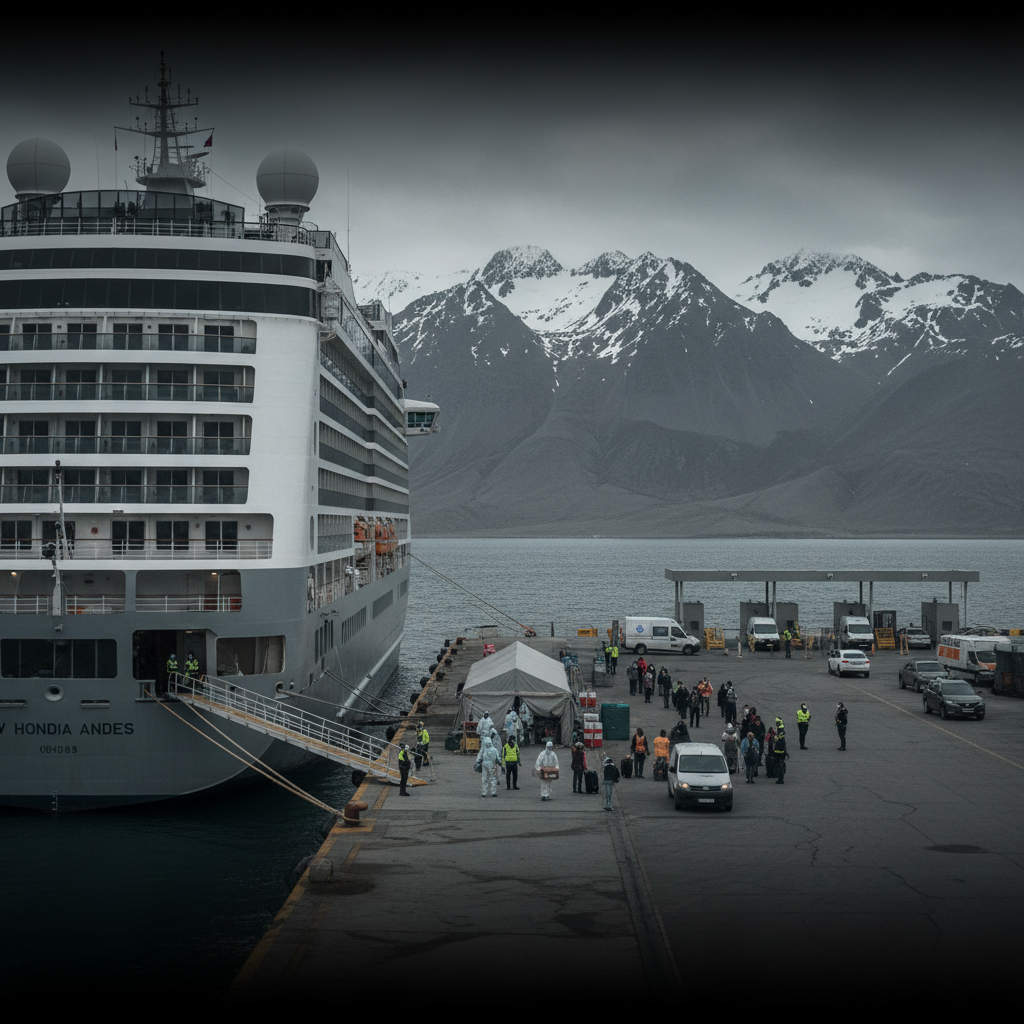
International Response to MV Hondius Andes Outbreak
PRAIA, CAPE VERDE – September 23, 2026 – Global health authorities and national governments are continuing to issue and refine travel advisories specifically targeting cruise passengers in the wake of the MV Hondius Andes hantavirus event, which began in May 2026 off the coast of Praia, Cape Verde. The evolving guidance reflects ongoing efforts to contain the spread of the virus and manage the public health impact of the incident. Several countries have implemented varying degrees of restrictions and recommendations, affecting both inbound and outbound cruise travel. These measures range from enhanced screening protocols at ports to outright prohibitions on disembarkation for specific vessels or passengers originating from affected regions.
United States Guidance
The US Centers for Disease Control and Prevention (US CDC) has maintained a Level 3 Travel Health Notice: Avoid Non-Essential Travel for cruise ship travel, specifically referencing the ongoing hantavirus incident. The advisory, last updated in early September 2026, recommends that travelers, particularly those with underlying health conditions, defer cruise travel globally.For individuals who choose to cruise, the US CDC advises rigorous adherence to personal hygiene practices, immediate reporting of symptoms to medical staff. Awareness of potential quarantine measures upon return. State-level advisories within the US largely mirror the federal guidance, with some states, notably those with major cruise ports, reinforcing health declarations and symptom screening requirements for returning passengers. As of mid-September, several states have issued alerts to healthcare providers on the potential for hantavirus cases in individuals with recent cruise travel history.
European Union and ECDC Recommendations
The European Centre for Disease Prevention and Control (ECDC) has been collaborating closely with member states to synchronize responses. The ECDC's latest risk assessment, released in early September 2026, highlights the need for heightened surveillance for hantavirus among travelers returning from areas with known or suspected exposure, including the vicinity of the MV Hondius Andes. While the ECDC has not issued a blanket ban on cruise travel, it strongly advises member states to implement strong health screening protocols at points of entry. Individual EU member states have taken varied approaches.For instance, France and Germany have advised their citizens to postpone non-essential cruise travel, particularly to West African waters. Have mandated health declarations for all returning cruise passengers. Spain and Italy, bigly cruise hubs, have introduced enhanced thermal screening and symptom questionnaires for disembarking passengers from all international cruises, with a particular focus on those with recent itineraries in the Atlantic. Portugal, due to its proximity to Cape Verde, has implemented some of the strictest measures, including mandatory health monitoring for passengers arriving from potentially affected vessels.
Africa CDC and Regional Perspectives
Africa CDC has been coordinating with public health authorities across the continent to monitor the situation and provide guidance. While specific travel advisories concerning the MV Hondius Andes are not uniformly issued by all African nations, the Africa CDC has emphasized the importance of surveillance and preparedness. Cape Verdean authorities, managing the immediate impact of the MV Hondius Andes, have maintained strict control over port access and movement of personnel to and from the vessel. Neighboring countries have increased vigilance at maritime borders. The Africa CDC's broader guidance, last updated in late August, encourages member states to conduct risk assessments for inbound travelers and enhance capacity for diagnosing hantavirus infections.
World Health Organization (WHO) Stance
The World Health Organization (WHO) continues to monitor the global epidemiological situation of hantavirus, particularly in relation to the MV Hondius Andes incident. The WHO's current guidance, updated in early September, underscores the importance of international cooperation, information sharing, and adherence to International Health Regulations (IHR) (2005).While the WHO doesn't issue specific travel bans, its recommendations to national health authorities include strengthening surveillance systems, ensuring access to diagnostic capabilities. Implementing effective infection prevention and control measures. The WHO has emphasized that decisions on travel restrictions should be evidence-based and proportionate to public health risks.
Cruise Industry Adjustments
In response to these advisories and public health concerns, the cruise industry has implemented extensive protocols. Major cruise lines have revised itineraries, canceled certain voyages, and introduced enhanced cleaning, ventilation, and medical screening procedures onboard their fleets.Some lines have required pre-boarding health screenings, negative test results for various pathogens (though not specifically hantavirus, given its incubation period and diagnostic challenges). Mandatory health declarations from passengers. The global landscape of travel advisories remains dynamic. Passengers planning cruise travel are strongly advised to consult their national health authorities and the specific cruise line for the most current and detailed guidance before embarking on any voyage.



