Global Travel Advisories Evolve Amid Hondius Andes Hantavirus Event
International health bodies and national governments are updating travel guidance for cruise passengers, particularly those with recent exposure to the MV Hondius Andes, as the hantavirus outbreak continues to shape maritime health policy.
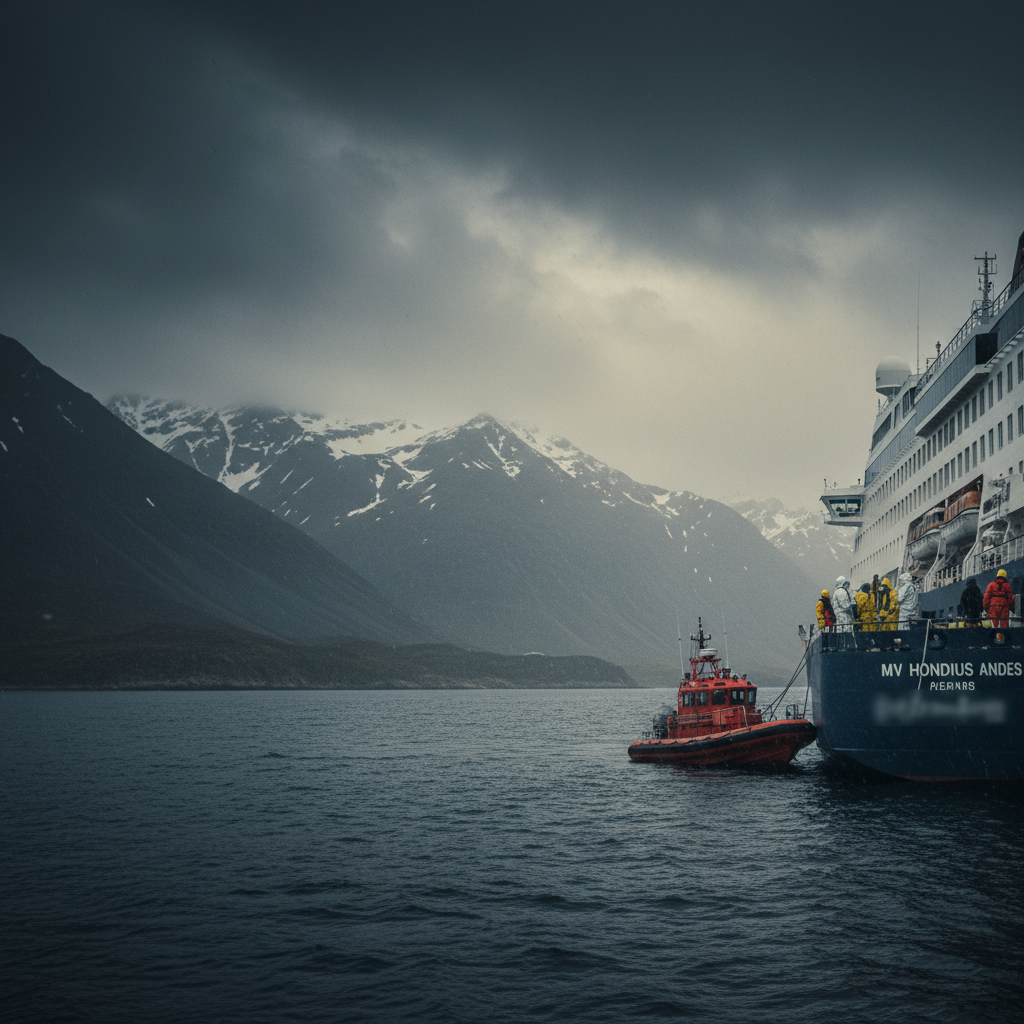
International Guidance Takes Shape
As the MV Hondius Andes hantavirus event, anchored off Praia, Cape Verde since May 2026, continues to develop, a complex web of travel advisories and public health recommendations is emerging globally. Health organizations and individual nations are issuing nuanced guidance, primarily targeting cruise passengers and crew with potential exposure, as well as the broader traveling public.
WHO and ECDC Recommendations
The World Health Organization (WHO) has reiterated its general advice for travelers, emphasizing awareness of local health risks and adherence to basic hygiene protocols. For the Hondius Andes situation specifically, the WHO has recommended that national health authorities conduct enhanced surveillance for individuals reporting compatible symptoms who have traveled on the affected vessel or had direct contact with those who did. They advise against generalized travel or trade restrictions though support targeted measures to identify and monitor at-risk individuals. The European Centre for Disease Prevention and Control (ECDC) has mirrored these recommendations for EU member states, focusing on strong contact tracing and symptom monitoring for individuals disembarking from the MV Hondius Andes or similar vessels operating in affected regions. The ECDC has as well provided updated clinical guidance for hantavirus infection management to healthcare providers across the continent.
Africa CDC and Regional Perspectives
The Africa Centres for Disease Control and Prevention (Africa CDC) has been coordinating closely with Cape Verdean authorities and other regional bodies. Their advisories largely focus on strengthening port health surveillance capabilities in coastal African nations to identify potential cases early. They have as well emphasized public health messaging for communities in proximity to maritime travel hubs, encouraging reporting of unusual febrile illnesses, especially if there's a connection to recent travel. The Africa CDC has not issued blanket travel bans but supports targeted health screenings and information dissemination for incoming passengers and crew from affected areas, per their publicly stated guidance.
National Responses: A Patchwork Approach
Many nations have independently issued their own travel guidance, often building upon or augmenting the recommendations from international bodies. United States: The U.S. Centers for Disease Control and Prevention (US CDC) has advised U.S. Citizens who have traveled on the MV Hondius Andes since May 2026 to monitor their health for symptoms consistent with hantavirus pulmonary syndrome (HPS) and to seek medical attention if they develop such symptoms. They have as well issued a Level 2 Travel Health Notice for Cape Verde, indicating an 'Alert – Practice Enhanced Precautions' for all travelers to the region, citing the ongoing hantavirus situation. This includes recommendations for travelers to avoid contact with rodents and their droppings. European Nations: Several European countries, including Germany, France, and the United Kingdom, have implemented similar advice through their respective national public health agencies. Important context: this typically involves advising recent cruise passengers from the affected vessel to contact their local health authorities upon return, particularly if symptomatic. Some countries have too initiated proactive outreach to citizens known to have been on the Hondius Andes, offering health assessments and guidance. Public health agencies in these nations are also providing updated information for clinicians regarding diagnosis and management of hantavirus infections. Canada and Australia: Both Canada and Australia have issued travel advisories recommending caution for their citizens traveling to Cape Verde. Their health authorities have specifically urged passengers recently on the MV Hondius Andes to be vigilant for symptoms and to report any concerns to healthcare providers. These advisories emphasize the importance of following local health guidelines and practicing good hygiene. South American Nations: Given the origin of the cruise line and some passenger demographics, several South American nations have also issued guidance. By contrast, these often include recommendations for enhanced port health screening for returning citizens from affected regions and public health messaging to raise awareness around hantavirus transmission routes, especially in areas with known endemic hantavirus strains.
Impact on Cruise Industry
The International Maritime Organization (IMO) has been in communication with relevant authorities regarding port health protocols and maritime safety in light of the outbreak. While no global halt to cruise operations has been mandated, the incident has prompted some cruise lines to review and enhance their onboard health and sanitation procedures, particularly concerning pest control. Publicly reported statements from industry associations indicate an increased focus on collaboration with public health agencies to ensure passenger and crew safety.
Ongoing Vigilance
The dynamic nature of the outbreak means that travel advisories are subject to change. Passengers with upcoming cruise travel plans, particularly those involving the West African coast or vessels with a history of operation in the region, are advised to consult the latest guidance from their national health authorities and the WHO.The emphasis remains on early detection, appropriate medical care. Targeted public health interventions rather than broad travel restrictions, which have been deemed disproportionate by leading health organizations as of October 2026.



