Global Travel Advisories Evolve Amidst Hondius Andes Hantavirus Event
International health and maritime agencies are updating travel guidance for cruise passengers and crew following the hantavirus outbreak on the MV Hondius Andes, anchored off Praia, Cape Verde, since May 2026. Restrictions and recommendations vary by nation.
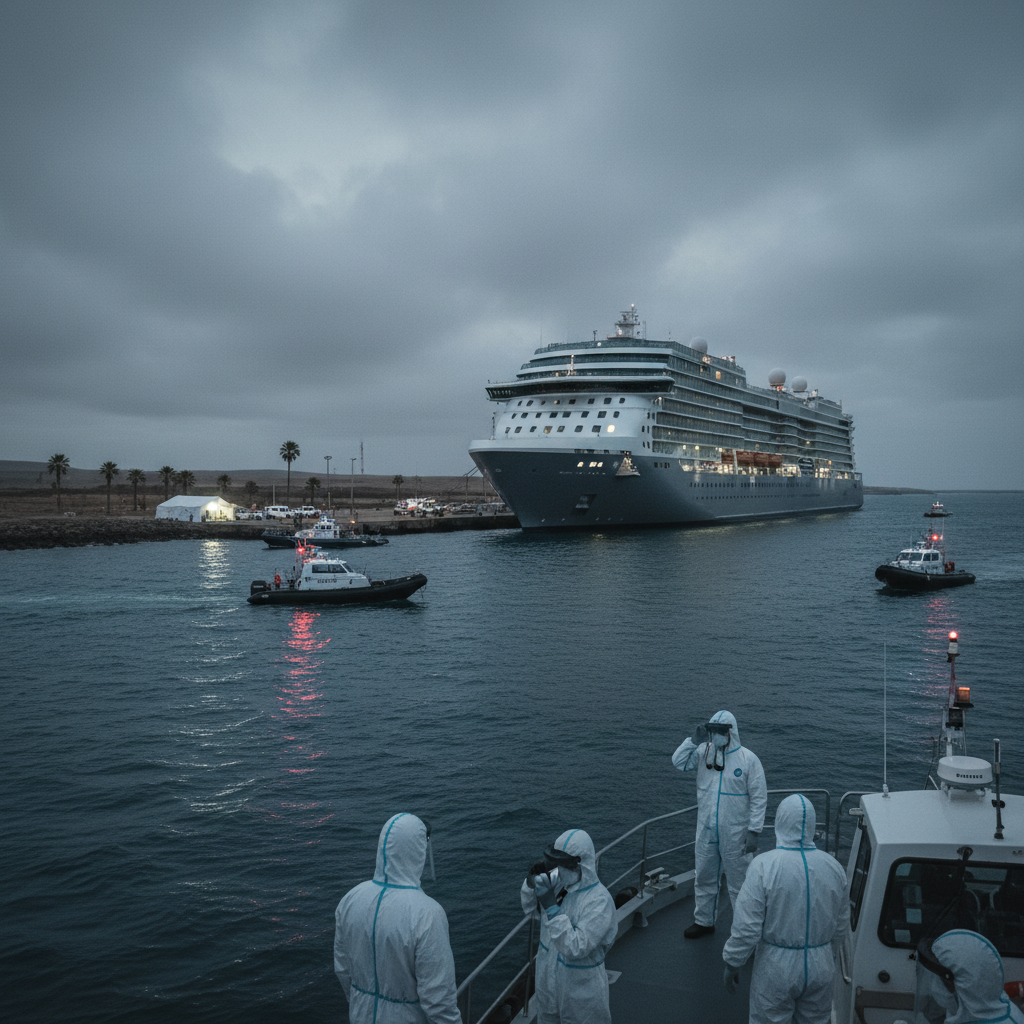
International Response Shapes Cruise Travel Guidance
As the MV Hondius Andes remains anchored off Praia, Cape Verde, nearly four months after the detection of a hantavirus outbreak on board, international public health bodies and national governments are continuously refining their travel advisories and health protocols for cruise ship passengers and crew. The evolving situation has prompted a complex tapestry of recommendations and mandates, reflecting both global health concerns and individual national risk assessments.
Varying National Approaches to Cruise Travel
Several nations have issued updated guidance specifically addressing cruise ship travel in the wake of the Hondius Andes incident. The World Health Organization (WHO) has reiterated its general principles for infectious disease control in international travel, advising enhanced surveillance and adherence to established health protocols for all maritime vessels. Though, the WHO has not, as of August 2026, issued a blanket global travel restriction for cruise ships, instead emphasizing strong individual country assessments and precautions. The European Centre for Disease Prevention and Control (ECDC) has advised EU member states to consider enhanced screening measures for disembarking passengers and crew, particularly those with recent travel history on vessels linked to outbreaks. Specific recommendations include monitoring for respiratory symptoms and a low threshold for diagnostic testing for hantavirus pulmonary syndrome (HPS) in symptomatic individuals returning from affected areas or vessels. Some EU nations, notably France and Germany, have As a result, advised their citizens to exercise increased caution when booking cruises, especially those originating from or transiting through regions with active public health alerts, or to confirm the health and safety protocols of cruise operators before travel. Others, such as Spain and Italy, have implemented stricter health declarations for returning cruise passengers. Across the Atlantic, the U.S. Centers for Disease Control and Prevention (CDC) has maintained its tiered system of travel health notices. While not specifically targeting all cruises with a Level 3 (Avoid Non-Essential Travel) warning, the CDC has explicitly advised against travel on any cruise ship experiencing an active outbreak of a novel or high-consequence pathogen, including hantavirus. Travelers are encouraged to consult the CDC's Cruise Ship Travel Guidance section regularly for updates on specific vessel-related health notices. Several U.S. States with major cruise ports, such as Florida and California, have also implemented local public health directives, including stricter reporting requirements for cruise lines on onboard illness and enhanced disembarkation screening protocols.
Africa and Asia: Heightened Vigilance
In Africa, the Africa Centres for Disease Control and Prevention (Africa CDC) has communicated with member states, urging heightened vigilance at ports of entry. Given the MV Hondius Andes's anchoring off Praia, Cape Verde, several West African nations have reinforced their port health surveillance. While specific travel advisories against cruise travel are not universal across the continent, countries like Senegal and Ghana have advised their citizens to be aware of the ongoing situation and to follow health official guidance. These nations are prioritizing the strengthening of their public health emergency preparedness capacities. In Asia, countries like Japan and South Korea, which have bigly cruise tourism, have also updated their guidance. Their advisories generally align with the WHO, emphasizing pre-boarding health screenings and strong onboard medical facilities. Some have implemented mandatory post-disembarkation health monitoring for returning citizens who have been on international cruises.
Industry Response and Future Protocols
Cruise line operators have publicly committed to reviewing and enhancing their health and safety protocols in light of the Hondius Andes event.The International Maritime Organization (IMO). Primarily focused on maritime safety and environmental protection, has helpd discussions among member states on the need for standardized public health reporting and response mechanisms on international voyages. These discussions are expected to inform future regulations aimed at minimizing the risk of similar outbreaks. Passengers are advised to consult their national health authorities and the websites of the cruise lines directly for the most current information regarding specific itineraries and health requirements. The fluidity of the situation means that advisories can change with little notice, underscoring the importance of continuous monitoring of official sources before and during travel. ---



