Global Travel Advisories Evolve Amidst Hondius Andes Hantavirus Event
As the MV Hondius Andes remains anchored, health authorities worldwide are adjusting travel guidance for cruise passengers, impacting international leisure and maritime operations.
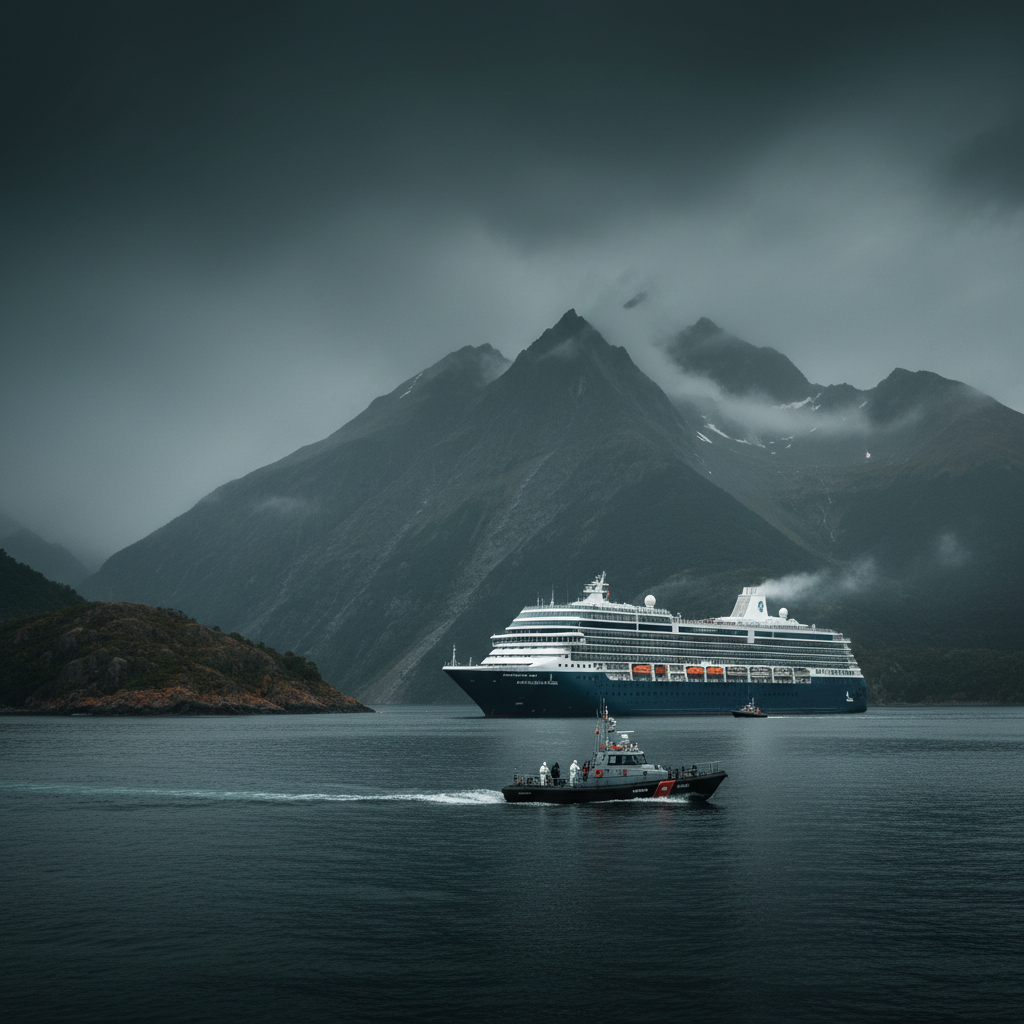
International Health Agencies Issue Updated Cruise Guidance
Praia, Cape Verde – September 10, 2026 – International health organizations and national governments are continuing to revise and issue new travel advisories related to cruise ship operations, specifically impacting passengers and crew after the MV Hondius Andes hantavirus outbreak earlier this year. The evolving situation has prompted a complex tapestry of recommendations and restrictions, varying bigly by country and region.
United States Updates Guidance for Cruise Travelers
The U.S. Centers for Disease Control and Prevention (CDC) maintains elevated travel health notices concerning cruise ship travel. While specific ships or routes are not singled out for broad prohibitions, the CDC's guidance emphasizes heightened vigilance for respiratory and zoonotic diseases on cruise vessels.Passengers are advised to ensure they're up-to-date on routine vaccinations, carry comprehensive travel insurance. Be aware of symptoms of hantavirus, particularly if they have recently disembarked from a cruise in regions affected by known or suspected outbreaks. The CDC further recommends consulting their Vessel Sanitation Program for inspection scores and outbreak data related to various illnesses on cruise ships. For returning travelers from affected areas, passive monitoring for symptoms is often advised for a period of several weeks following disembarkation.
European Union and ECDC Recommendations
Within the European Union, the European Centre for Disease Prevention and Control (ECDC) has been collaborating with member states to synchronize responses. The ECDC's advisories, issued in coordination with national public health bodies, generally recommend that individuals with recent cruise travel history, especially from the Atlantic region off West Africa, be aware of potential health risks. Specific advice often includes contacting national health services upon experiencing fever, muscle aches, or respiratory symptoms. Some European nations have implemented enhanced screening protocols at ports of entry for passengers arriving from international cruise lines. The ECDC continues to emphasize the importance of strong surveillance systems on board cruise vessels and transparent reporting of health incidents.
Africa CDC and Regional Perspectives
The Africa Centres for Disease Control and Prevention (Africa CDC) has also been monitoring the situation closely, particularly given the proximity of the MV Hondius Andes incident to the African continent. Africa CDC's guidance focuses on strengthening border health measures in member states and enhancing laboratory capacity for early detection of zoonotic pathogens. They have urged national health ministries to disseminate public health messages to communities and ports that frequently interact with international maritime traffic. While no blanket travel bans have been issued by Africa CDC, the organization supports national efforts to conduct risk assessments and implement appropriate precautions for travelers and maritime personnel.
Broader International Response and IMO Involvement
Beyond these major health bodies, countries like Canada, Australia, and the United Kingdom have as well issued their own tailored travel advice.These advisories largely echo the sentiment of caution, recommending travelers assess their personal health risks, monitor official public health websites. Adhere to any specific entry requirements or health screenings upon arrival. The International Maritime Organization (IMO) has been in communication with relevant health agencies, focusing on the broader implications for maritime safety and health protocols on board ships, reinforcing the need for international cooperation in managing infectious disease outbreaks on vessels.
Impact on Cruise Industry
The evolving travel advisories have undeniably had an impact on the cruise industry. Operators continue to implement enhanced health and safety protocols, including stringent cleaning regimens, improved ventilation, and refined medical response plans. The goal is to reassure the public and mitigate the perceived risks associated with cruise travel, especially in the wake of bigly health incidents. Industry associations are working to standardize protocols across fleets and regions to provide clearer guidance for both passengers and crew.
Future Outlook
Public health officials indicate that advisories will continue to be updated based on new epidemiological data and the resolution of the MV Hondius Andes incident. Travelers considering cruise holidays are strongly encouraged to consult the latest guidance from their respective national health authorities and the cruise line itself before making travel plans.



