Global Travel Advisories Evolve Amidst Hondius Andes Hantavirus Outbreak
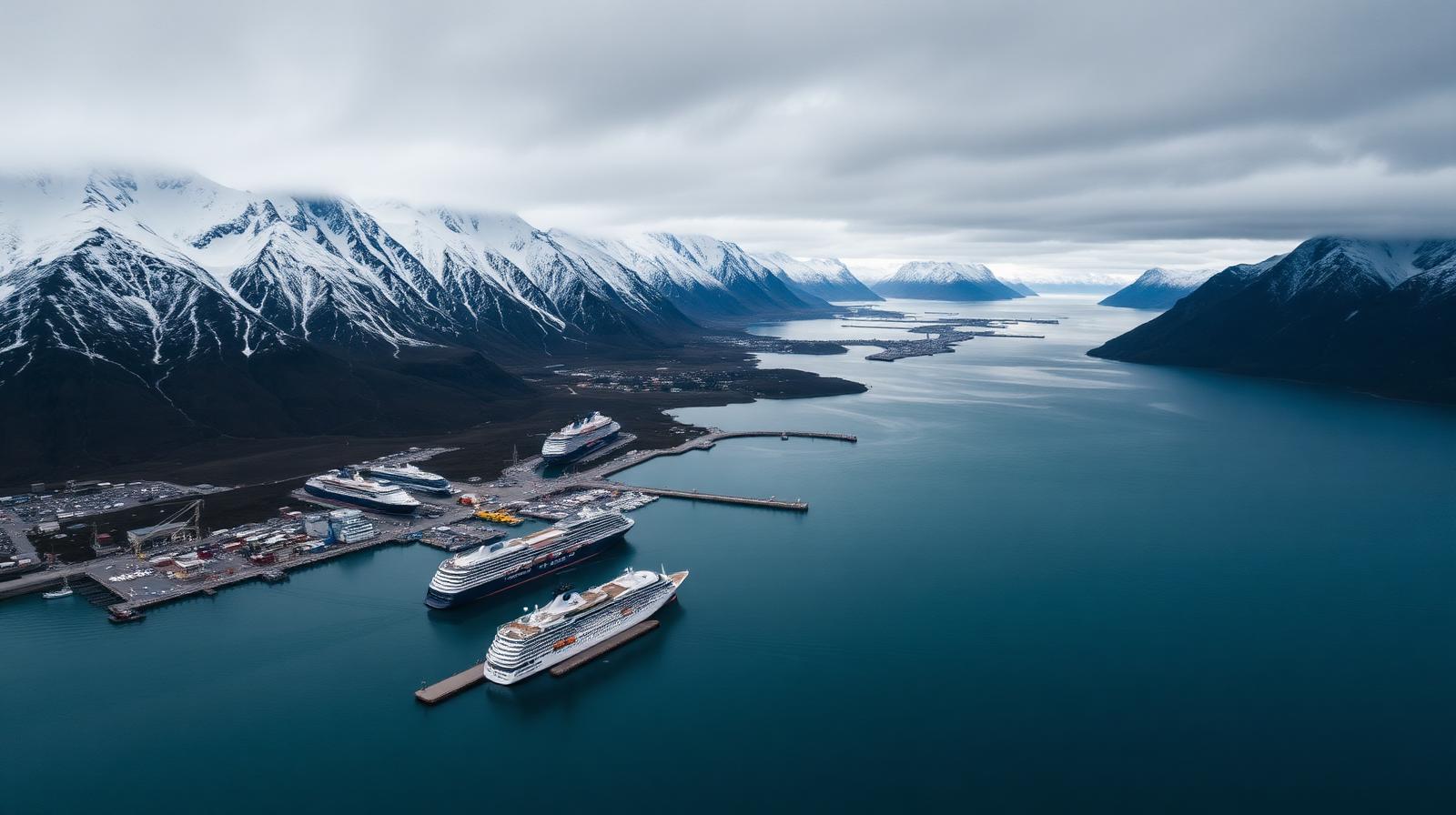
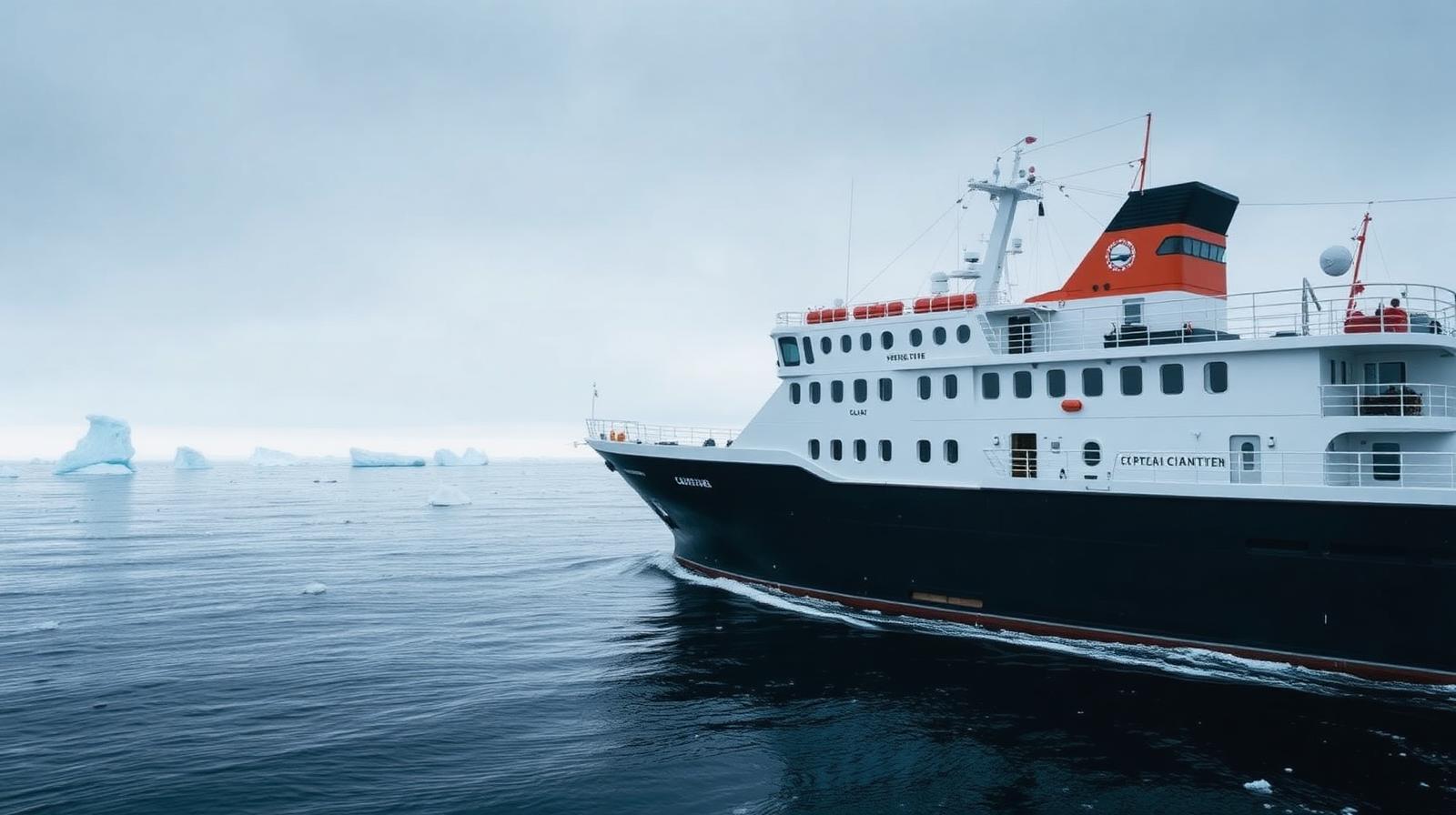
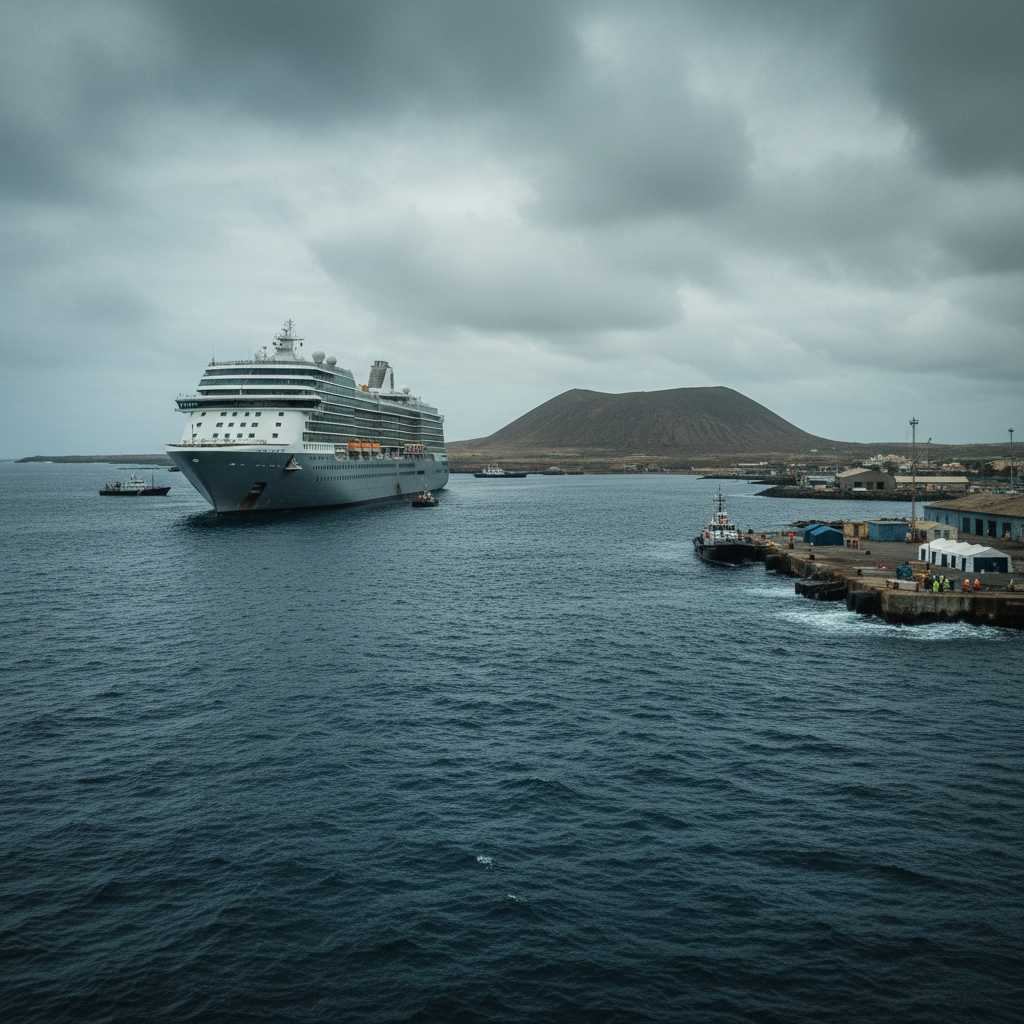
International health and maritime organizations have updated travel advisories and health guidance, impacting cruise passengers and port operations as the MV Hondius Andes remains anchored off Praia, Cape Verde.
International Health Bodies Issue Revised Guidance
Praia, Cape Verde – September 26, 2026 – As the MV Hondius Andes hantavirus incident continues to unfold off the coast of Praia, international health organizations and national governments have intensified their scrutiny of cruise travel, leading to updated advisories for passengers and operators. The evolving situation has prompted a patchwork of recommendations, reflecting concerns over public health and the potential for disease transmission. The World Health Organization (WHO) and regional bodies such as the European Centre for Disease Prevention and Control (ECDC) and the Africa Centres for Disease Control and Prevention (Africa CDC) have been central to disseminating guidance.While avoiding outright bans on cruise travel, their recommendations emphasize heightened vigilance, strong health screening protocols. Enhanced sanitation measures onboard vessels, particularly those with recent port calls in areas experiencing high caseloads of rodent-borne diseases.
National Responses and State-by-State Guidance
Individual nations have largely aligned their travel advisories with international health body recommendations, albeit with varying degrees of stringency. Multiple countries, including those in North America and Europe, have issued Level 2 or Level 3 travel health notices for specific regions, advising travelers to exercise increased caution or reconsider non-essential travel to areas with ongoing hantavirus activity, or to areas where the MV Hondius Andes may have recently docked before the outbreak's confirmation. In the United States, the Centers for Disease Control and Prevention (US CDC) has recommended that cruise lines implement pre-boarding health declarations and temperature checks for all passengers and crew. And, the US CDC has advised at-risk individuals – such as those with underlying health conditions or weakened immune systems – to consult with healthcare providers before embarking on cruises, especially those traversing regions identified by health authorities as having heightened risk. Specific state-by-state guidance varies, with coastal states known for major cruise terminals often providing more detailed recommendations for their residents and returning travelers. For example, Florida and California health departments have reportedly issued enhanced guidance for cruise terminal operators regarding sanitation and passenger screening. Across Europe, the ECDC's guidance has influenced national policies, with several EU member states reinforcing health surveillance at ports and airports.Countries like Spain, Italy. France, with bigly maritime traffic, have reportedly implemented enhanced health checks for passengers disembarking from cruises, particularly those originating from or having recently visited areas identified as being of concern by international bodies. Some nations have also mandated that cruise operators provide clear communication to passengers around hantavirus symptoms and prevention measures before and during voyages.
Africa and Asia: Focused Precautions
On the African continent, the Africa CDC has been working closely with member states, including Cape Verde, to manage the immediate response to the Hondius Andes incident. Their broader guidance for cruise travel in the region has focused on bolstering port health capabilities and ensuring rapid identification and isolation of suspected cases. For potential passengers, advisories often recommend ensuring travel insurance covers medical evacuation and being aware of local healthcare capacity. In Asia, countries with major cruise markets, such as Singapore and Japan, have adopted similar precautionary measures. Their health ministries have issued advisories urging citizens to be aware of the symptoms of hantavirus and to seek medical attention if they develop illness after cruise travel. Some Asian nations have also reportedly implemented more rigorous disembarkation screening processes for cruises arriving from affected regions or those with a recent history of illness onboard.
Maritime Operations and Industry Response
The International Maritime Organization (IMO) has been in communication with flag states and coastal authorities, emphasizing the need for coordinated international action. While the IMO primarily focuses on maritime safety and environmental protection, the ongoing outbreak has highlighted the intersection of public health and maritime transport.The cruise industry, represented by organizations like Cruise Lines International Association (CLIA), has publicly affirmed its commitment to passenger safety and health, outlining industry-wide protocols for outbreak management, sanitation. Medical support. These protocols are continuously reviewed and updated in light of emerging health challenges. The dynamic nature of the global health situation means that travel advisories are subject to frequent updates. Passengers planning cruise travel are strongly advised to consult the latest guidance from their national health authorities and the WHO, ECDC, Africa CDC, or US CDC before departure. And, direct communication with cruise lines regarding their specific health and safety protocols is recommended.