Global Travel Advisories Evolve Amidst MV Hondius Andes Hantavirus Outbreak
International health authorities and national governments are updating travel advisories, with significant implications for cruise passengers following the hantavirus event aboard the MV Hondius Andes. Guidance varies widely by region.
International Scrutiny on Cruise Travel Intensifies
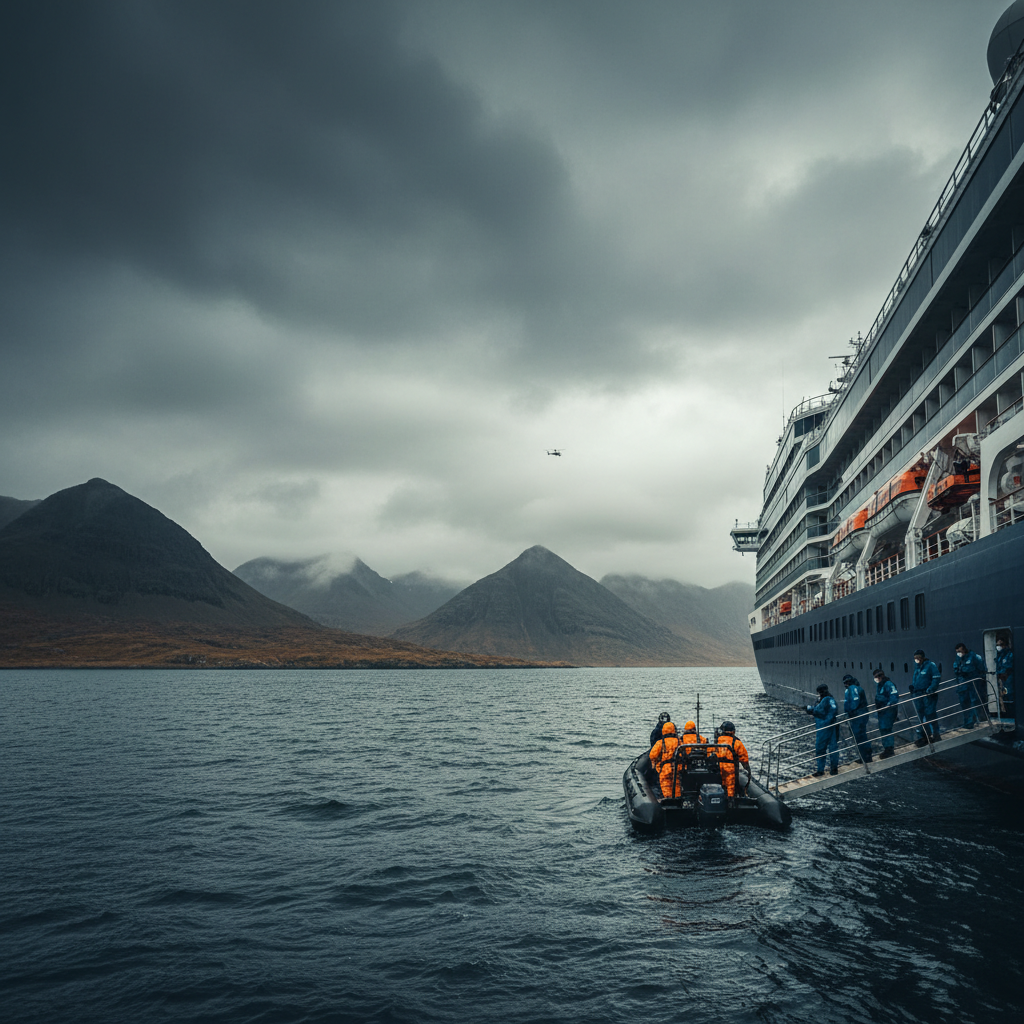
The ongoing hantavirus event associated with the MV Hondius Andes, anchored off Praia, Cape Verde, continues to prompt a dynamic response from global public health bodies and national governments. As of September 12, 2026, a patchwork of travel advisories and health recommendations is in effect, primarily targeting cruise ship passengers and those planning maritime travel.
WHO and Regional Health Body Guidance
The World Health Organization (WHO) has maintained its stance of advising close adherence to national health guidelines regarding international travel, particularly for individuals with recent cruise travel history. The WHO emphasizes surveillance for febrile illness and respiratory symptoms among returning travelers from affected areas or vessels. The organization has consistently highlighted the importance of strong screening protocols for passengers and crew on cruise ships globally, advocating for enhanced health declarations and pre-boarding health checks, especially for voyages originating from or transiting through regions with known hantavirus risk factors. The WHO has not issued a blanket ban on cruise travel but underscores the need for continuous risk assessment by Member States. Regional bodies, including the European Centre for Disease Prevention and Control (ECDC) and the Africa Centres for Disease Control and Prevention (Africa CDC), have echoed the WHO's recommendations. The ECDC has specifically advised European Union Member States to consider enhanced epidemiological surveillance for individuals returning from the MV Hondius Andes and other cruise ships that have operated in areas with potential hantavirus exposure. The Africa CDC has focused its communications on preparedness for potential importation of cases and strengthening public health infrastructure in coastal nations, acknowledging the unique challenges posed by maritime outbreaks in regions with varying health system capacities.
United States Travel Advisories
Within the United States, the Centers for Disease Control and Prevention (US CDC) has updated its guidance for cruise ship travel. As of the reporting date, the US CDC maintains a specific advisory level related to cruise travel, encouraging travelers to be up-to-date on vaccinations and to consult healthcare providers before embarking on cruises, particularly for individuals with underlying health conditions. The US CDC has also provided detailed recommendations for cruise lines regarding sanitation, ventilation, and illness reporting protocols. While specific state-level advisories within the US vary, multiple states with major cruise ports (e.g., Florida, Texas, California, New York) have reinforced the US CDC's recommendations through their local health departments, often providing additional resources for residents planning cruise travel or returning from voyages. There is no nationwide ban on cruise travel from the US, though enhanced vigilance is uniformly advised.
European Nations' Stance
Across Europe, national responses show some divergence. Countries like the United Kingdom, Germany, and France have issued specific health advice for their citizens regarding cruise ship travel. These advisories often include recommendations for pre-travel health consultations, monitoring for symptoms post-cruise, and adherence to shipboard health protocols. Some nations have implemented enhanced screening upon disembarkation for passengers arriving from potentially affected regions or specific vessels. Southern European countries, popular as cruise destinations or departure points (e.g., Italy, Spain, Greece), have been particularly attentive, working closely with the ECDC to standardize health checks and reporting mechanisms within their maritime sectors. Travel to and from Cape Verde and other West African nations has seen increased scrutiny, with some governments recommending deferral of non-essential travel to regions directly impacted by the Hondius Andes event.
Other International Responses
Other bigly cruise markets, such as Canada, Australia, and New Zealand, have also updated their travel guidance. Canada's public health agency has advised its citizens to exercise a high degree of caution when considering cruise travel, especially to regions where hantavirus transmission risks are elevated. Australia and New Zealand, known for strict biosecurity measures, have reinforced pre-arrival health declarations and potentially implemented enhanced health screening for passengers and crew arriving from international voyages.Asian nations. Less directly impacted by the Hondius Andes event's immediate geography, have Still responded by reviewing and strengthening their maritime health protocols, often drawing on lessons learned from past public health crises affecting international travel.
Impact on Cruise Industry and Future Outlook
The fragmented nature of global travel advisories presents ongoing challenges for the cruise industry, which is striving to reassure passengers and adapt its operations. Industry bodies continue to collaborate with international health organizations to implement and standardize enhanced health and safety measures. The evolving landscape of advisories underscores the complex interplay between public health, national sovereignty, and the globalized travel industry in the face of emergent infectious disease threats.