Global Travel Advisories Evolve as Hantavirus Outbreak Prompts Caution for Cruise Passengers
International health and maritime organizations, alongside national governments, are issuing updated travel guidance for cruisers, particularly for those with recent itineraries involving the MV Hondius Andes, as the hantavirus situation off Cape Verde develops.
International Bodies Urge Vigilance
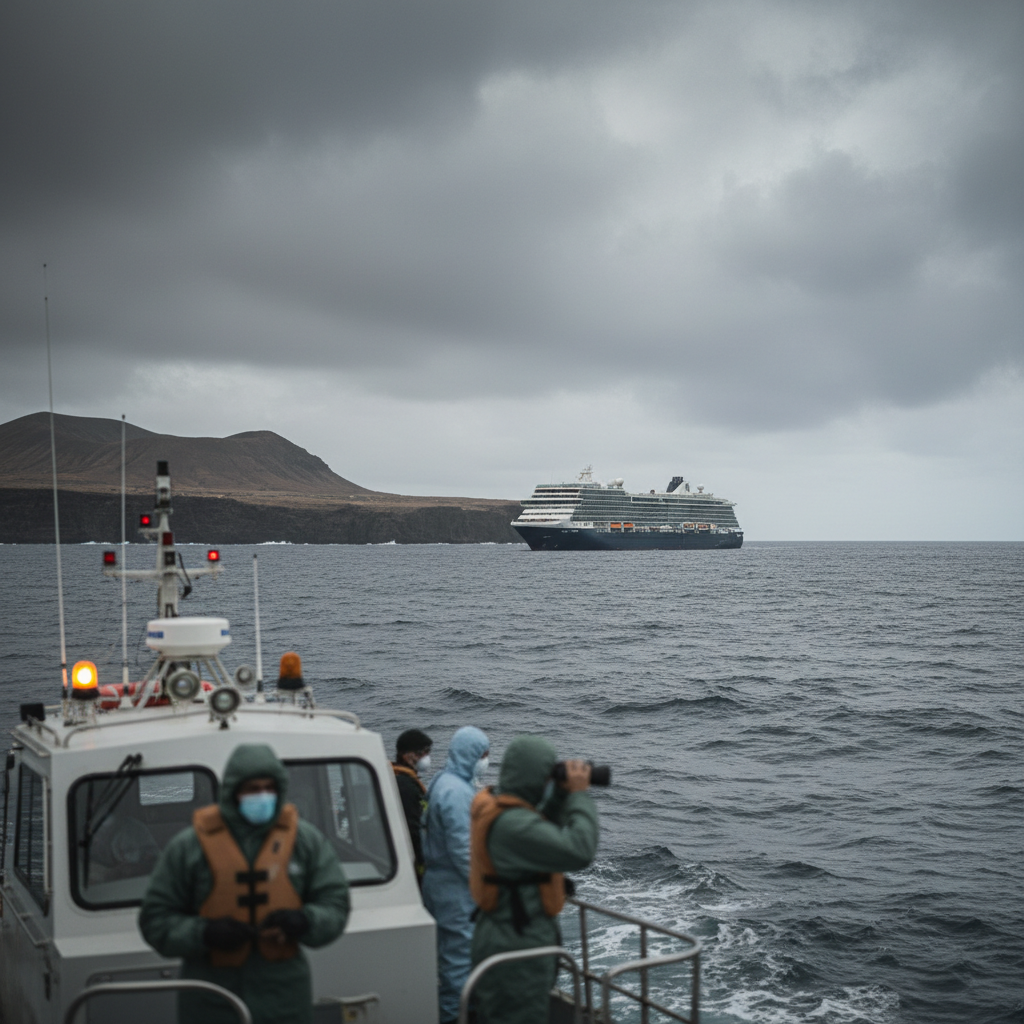
As the MV Hondius Andes remains anchored off Praia, Cape Verde, global health agencies and national governments are recalibrating travel advisories, with a particular focus on cruise passengers and crew. The World Health Organization (WHO) has reiterated its call for strong surveillance and reporting of any unusual respiratory or febrile illness among individuals with recent cruise travel history, especially those connected to the MV Hondius Andes incident. While not issuing outright travel bans, the WHO emphasizes the importance of adherence to national health guidelines and reporting protocols by all member states. Simultaneously, the International Maritime Organization (IMO) has been in close communication with flag states and coastal authorities to ensure coordinated responses, particularly regarding port entry procedures and the management of potentially affected vessels. The IMO's focus remains on facilitating safe maritime operations while upholding public health imperatives.
United States Issues Tiered Warnings
In the United States, the Centers for Disease Control and Prevention (US CDC) has updated its guidance for travelers. As of 2026-06-18, the US CDC recommends that individuals who have been on the MV Hondius Andes since May 2026 monitor their health closely for at least three weeks after disembarkation and seek immediate medical attention if symptoms such as fever, muscle aches, or respiratory distress develop. Specific state-by-state advisories are emerging, with some coastal states and those with major cruise ports advising healthcare providers to be extra vigilant for hantavirus pulmonary syndrome (HPS) in returning travelers. For example, Florida and California health departments have reportedly disseminated alerts to their medical communities, detailing symptoms and testing protocols.No federal-level travel restrictions have been imposed on cruise travel broadly. Passengers are advised to consult the US CDC's website for the latest country-specific and cruise-specific health notices before booking or embarking.
European and African Responses
Across Europe, the European Centre for Disease Prevention and Control (ECDC) has issued an epidemiological alert, drawing attention to potential imported cases and urging national health authorities to enhance surveillance. Member states have been encouraged to review and update their contingency plans for managing infectious disease outbreaks originating from international travel.Countries with bigly cruise passenger traffic, such as Spain, Italy. The United Kingdom, have reportedly intensified their health screening capacities at ports and airports, particularly for arrivals from regions associated with the MV Hondius Andes' itinerary. The ECDC has stressed the importance of clear communication with the public and healthcare professionals on the signs and symptoms of hantavirus infection. In Africa, the Africa Centres for Disease Control and Prevention (Africa CDC) is working closely with Cape Verdean authorities and other regional partners. The Africa CDC has emphasized strengthening port health capabilities and cross-border collaboration to prevent further transmission. Countries neighboring Cape Verde, such as Senegal and Mauritania, have reportedly heightened their public health surveillance, especially for individuals arriving by sea or air who have a recent travel history linked to the affected cruise. The focus remains on early detection and containment, with a strong emphasis on community awareness campaigns in affected and at-risk areas.
Global Impact on Cruise Industry
The evolving travel advisories have undoubtedly impacted the global cruise industry. While some cruise lines have reportedly adjusted itineraries or enhanced onboard health protocols, the full economic repercussions are still being assessed. Industry associations are working to reassure passengers of the safety measures being implemented. Though, public health recommendations continue to prioritize individual vigilance and adherence to health guidelines, particularly when considering international cruise travel during this period. The situation underscores the interconnectedness of global travel and public health, necessitating a harmonized international response.



