Global Travel Advisories Evolve as Hondius Andes Hantavirus Event Persists
International health agencies and national governments are updating travel advisories, impacting passengers, crew, and future cruise operations in response to the ongoing hantavirus outbreak linked to the MV Hondius Andes.
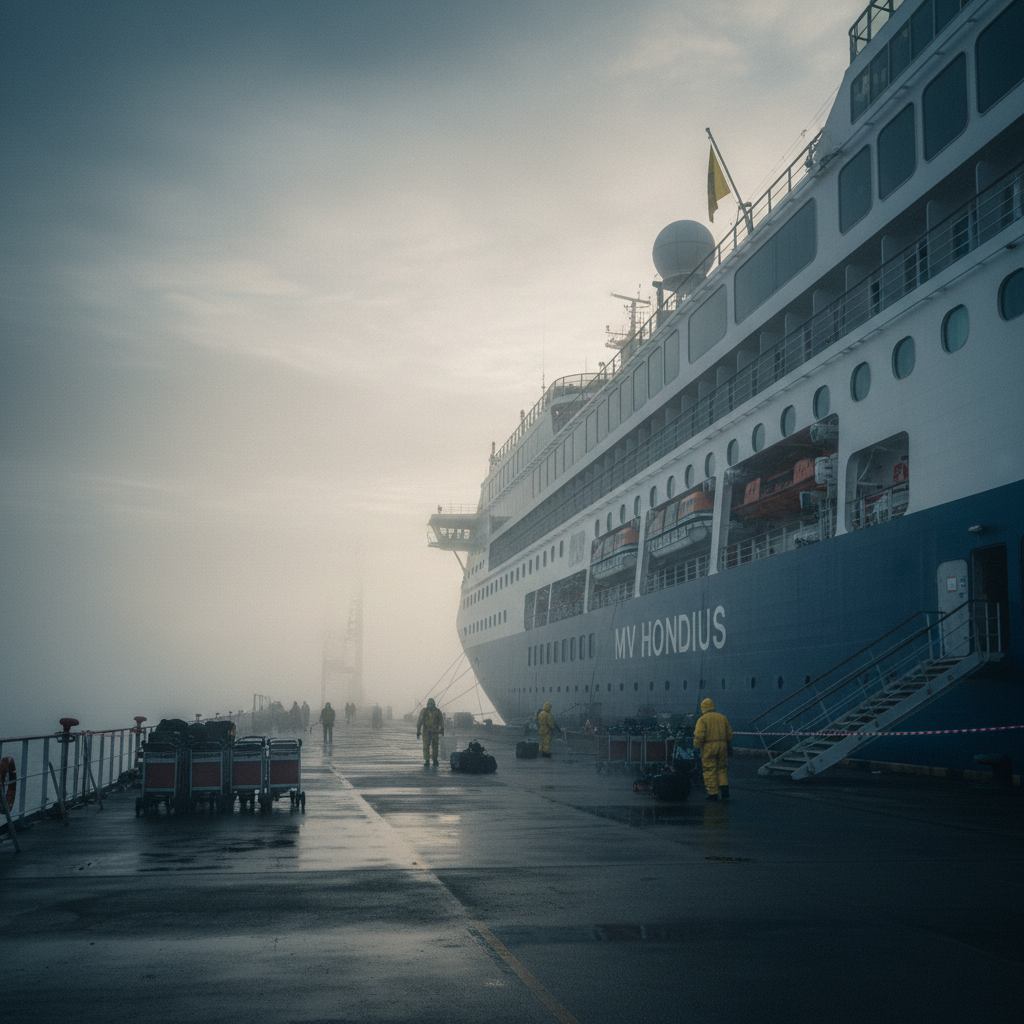
Global Response to Hondius Andes Outbreak Impacts Travel
As of September 15, 2026, governments worldwide continue to refine their travel guidance in light of the hantavirus event associated with the MV Hondius Andes, which remains anchored off Praia, Cape Verde. The evolving public health situation has prompted varied responses from national health authorities, affecting both current cruise passengers and the broader maritime travel sector.
Evolving Public Health Guidance
The World Health Organization (WHO) and regional bodies such as the European Centre for Disease Prevention and Control (ECDC) and Africa Centres for Disease Control and Prevention (Africa CDC) have been instrumental in disseminating guidance. This guidance often underscores the importance of heightened surveillance, contact tracing for disembarked passengers, and strong health protocols for maritime vessels. While the WHO has not issued a blanket international travel ban, it has consistently advised countries to implement risk-based approaches tailored to their specific epidemiological contexts and capacities.
Country-Specific Advisories and Restrictions
United States: The U.S. Centers for Disease Control and Prevention (US CDC) has issued Level 2 travel health notices for specific regions, including Cape Verde, related to the hantavirus event. These advisories recommend that travelers exercise increased caution. And, the US CDC has provided specific guidance for cruise lines operating in or through affected areas, emphasizing enhanced health screenings and reporting requirements for any passengers or crew exhibiting symptoms consistent with hantavirus pulmonary syndrome (HPS) or hemorrhagic fever with renal syndrome (HFRS), depending on the hantavirus strain identified. European Union: Member states of the European Union have largely aligned with ECDC recommendations, which focus on rigorous screening protocols for incoming travelers from regions considered at higher risk, particularly those who were aboard or in direct contact with passengers from the MV Hondius Andes. Some individual EU nations have implemented additional domestic measures, such as mandatory health declarations or isolation protocols for returning citizens who have traveled on affected cruises. Specific port authorities within the EU have as well increased scrutiny of vessels arriving from West African ports. United Kingdom: The UK Health Security Agency (UKHSA) has maintained an advisory recommending that individuals returning from cruises that docked in or transited through affected areas monitor their health for several weeks post-disembarkation. Guidance includes seeking immediate medical attention for flu-like symptoms. The UK government has as well engaged with cruise operators to ensure strong health and safety measures are in place for future voyages. Canada: Public Health Agency of Canada (PHAC) advisories echo concerns about hantavirus exposure on cruises. They recommend that Canadians defer non-essential cruise travel to regions experiencing active transmission or linked to the MV Hondius Andes incident. PHAC continues to monitor the situation closely and update its guidance as new information becomes available. Australia and New Zealand: Both countries have updated their travel advice for citizens considering cruise travel, particularly to West Africa or international itineraries that might pass through affected zones. These advisories often highlight the importance of understanding the health risks associated with hantavirus and encourage travelers to consult with health professionals before booking. They have not, as of this report, issued specific bans but rather elevated their caution levels. African Nations: Countries within the Economic Community of West African States (ECOWAS) and other African nations, in collaboration with Africa CDC, have bolstered their port health surveillance. While specific inter-country travel bans are not widely in place, there is an increased focus on health declarations and screening for individuals arriving by sea, particularly those originating from vessels with known or suspected links to the outbreak.
Impact on Cruise Industry Operations
The maritime industry, represented by bodies such as the International Maritime Organization (IMO) and various cruise line associations, is navigating a complex landscape of varying national requirements. Cruise lines have had to adapt their itineraries, implement enhanced sanitation protocols, and revise embarkation/disembarkation procedures to comply with advisories and ensure passenger safety. Some companies have proactively cancelled or re-routed itineraries to avoid perceived risk areas, leading to financial implications and passenger disruption. Discussions continue regarding standardized international health certificates and surveillance protocols for cruise vessels to mitigate future outbreaks.
Future Outlook
The persistence of the hantavirus event underscores the interconnectedness of global health and travel. Health authorities continue to emphasize that strong public health infrastructure, transparent information sharing, and international cooperation are paramount in managing such cross-border incidents. Travelers are advised to consult official government travel advisories and their cruise operators for the most current information before making travel plans.



