Global Travel Advisories Evolve as Hondius Andes Hantavirus Event Prompts Caution
International health agencies and governments are issuing updated travel guidance for cruise passengers, with particular focus on those disembarking from or having recently sailed on the MV Hondius Andes, as the hantavirus situation remains dynamic.
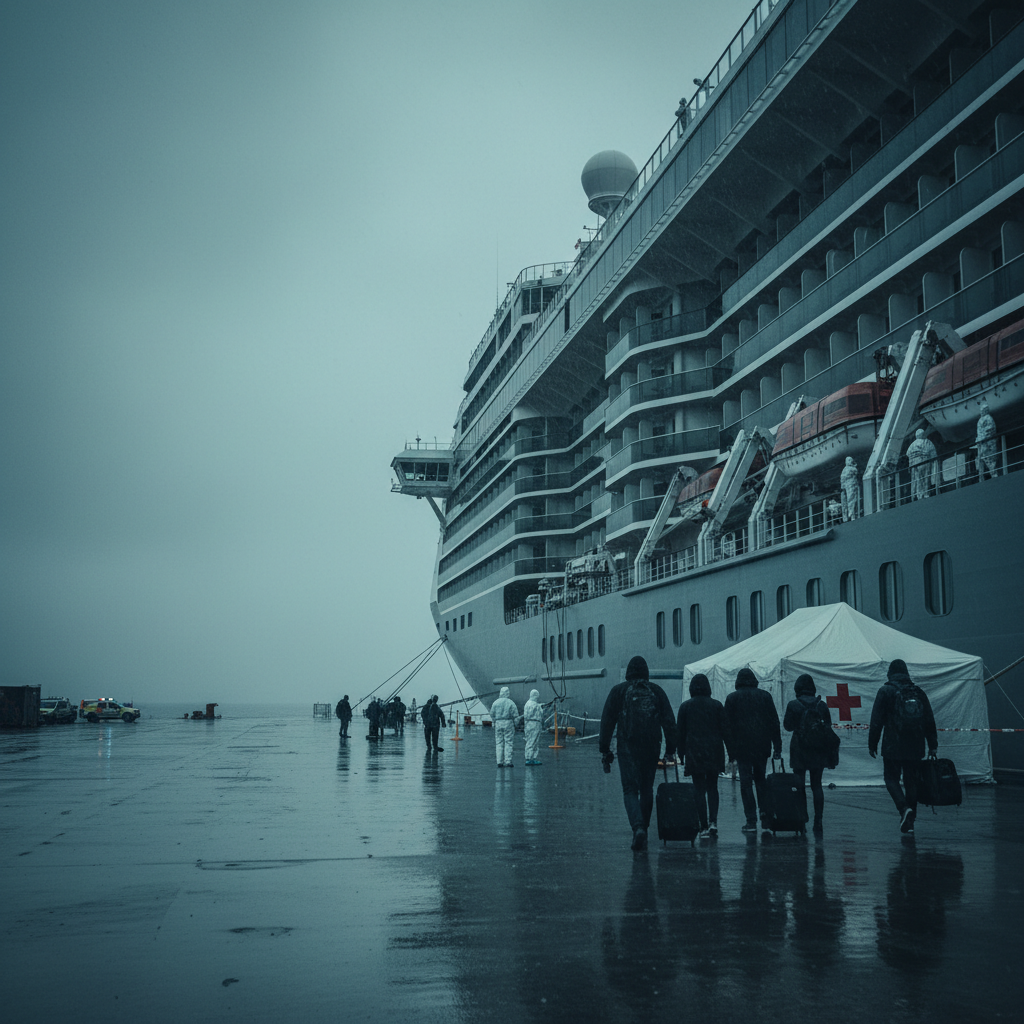
International Response to Cruise-Related Hantavirus Concerns
Since the identification of hantavirus cases linked to the MV Hondius Andes, anchored off Praia, Cape Verde, in May 2026, global health bodies and national governments have been actively revising and disseminating travel advisories. These guidelines aim to mitigate further transmission and inform the public, especially those with recent or planned cruise travel.
ECDC and WHO Guidance for European Travelers
The European Centre for Disease Prevention and Control (ECDC) continues to provide regular updates, emphasizing enhanced surveillance for passengers returning from affected regions or cruise vessels. Their guidance, as of August 1, 2026, recommends that European citizens who have traveled on the MV Hondius Andes, or have been in close contact with confirmed cases, monitor for symptoms and seek medical advice if feeling unwell. The ECDC advises healthcare providers to be vigilant for hantavirus pulmonary syndrome (HPS) symptoms in returned travelers, especially those with a relevant travel history. The World Health Organization (WHO) has echoed similar recommendations, stressing the importance of international cooperation in disease surveillance and information sharing.
US CDC Enhances Screening and Passenger Communication
In the United States, the Centers for Disease Control and Prevention (US CDC) has implemented heightened screening protocols for passengers arriving from regions or vessels of concern. While specific state-by-state travel bans related to the Hondius Andes are not yet in effect, the US CDC has issued advisories urging cruise lines to enhance their onboard public health measures and to communicate transparently with passengers about potential health risks. Unconfirmed reports suggest several states have independently issued recommendations for their residents regarding post-cruise symptom monitoring, particularly for those returning from the Cape Verde region.
Africa CDC Focuses on Regional Preparedness
The Africa Centres for Disease Control and Prevention (Africa CDC) has been working with member states to strengthen their capacity to detect and respond to potential hantavirus introductions. Given the vessel's proximity to West African nations, the Africa CDC's advisories, as of August 1, 2026, focus on border health measures and increased public health awareness campaigns in potentially affected coastal communities. They're also collaborating with national health ministries to ensure adequate diagnostic capabilities and medical resources are available.
Country-Specific Recommendations Vary
Canada: Public Health Agency of Canada has advised travelers returning from affected cruises to consult with a healthcare professional if they develop fever, muscle aches, or respiratory symptoms within 45 days of disembarkation. United Kingdom: The UK's National Health Service (NHS) advises individuals with relevant travel history and symptoms to contact their doctor, informing them of their recent travel. By contrast, they have not issued specific travel restrictions yet continue to monitor the situation closely. Australia and New Zealand: Both countries have issued advisories for their citizens planning or returning from cruises in the Atlantic region, recommending vigilance and prompt medical attention for any concerning symptoms. Specific quarantines for returning cruise passengers are not currently mandated unless a passenger presents with symptoms. South American Nations: Several South American countries, recognizing potential transcontinental travel patterns, have as well issued general health warnings and enhanced surveillance at ports of entry. One detail: specific directives concerning the Hondius Andes are not yet widely publicised.
Maritime Industry Responds to Evolving Landscape
The International Maritime Organization (IMO) continues to work with international health bodies to ensure standardized public health protocols across the cruise industry. Cruise lines themselves are reviewing their health and safety measures, with many implementing enhanced cleaning, ventilation, and passenger screening procedures. The focus remains on preventing future outbreaks and restoring public confidence in cruise travel. Worth noting: the dynamic nature of the hantavirus situation means travel advisories are subject to change. Travelers are strongly encouraged to consult the latest guidance from their national health authorities and the WHO before making travel plans, particularly for cruise vacations.



