Global Travel Advisories Evolve as Hondius Andes Hantavirus Outbreak Persists
International health agencies and national governments are updating travel guidance for cruise passengers, particularly those with recent MV Hondius Andes exposure, amid ongoing hantavirus concerns.
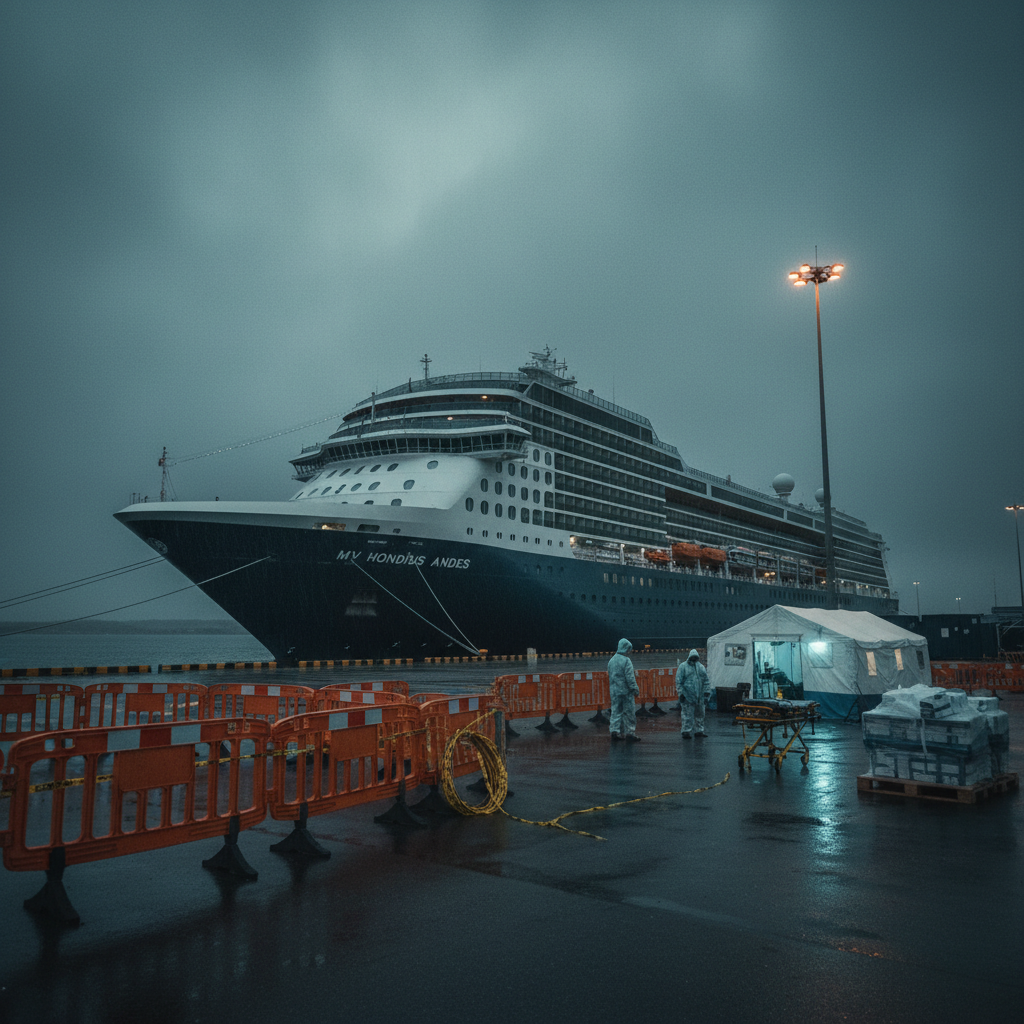
International Scrutiny on Cruise Travel Intensifies
PRAIA, Cape Verde – As the MV Hondius Andes remains anchored off the coast of Praia, Cape Verde, since May 2026 due to a bigly hantavirus outbreak, international travel advisories continue to evolve. Public health bodies globally are issuing updated guidance for travelers, especially those who have recently been aboard the vessel or have had contact with affected passengers and crew.
Global Health Agencies Weigh In
The World Health Organization (WHO) has reiterated its general guidance on hantavirus prevention, emphasizing rodent control and avoidance of contaminated environments. While the WHO has not issued specific travel bans, it advises close monitoring of national health authority recommendations, particularly for individuals returning from regions with known or suspected hantavirus transmission, such as the current situation involving the MV Hondius Andes. The organization's guidance, as of early September 2026, focuses on strong surveillance and rapid response protocols for suspected cases among returning travelers. The European Centre for Disease Prevention and Control (ECDC) has issued similar recommendations for its member states. The ECDC suggests that national health authorities implement enhanced surveillance for individuals presenting with febrile illness and a history of recent travel on the MV Hondius Andes or close contact with confirmed cases.Some European nations have individually advised against non-essential cruise travel to regions impacted by ongoing outbreaks. Specific prohibitions remain at national discretion, subject to their own risk assessments. Africa Centres for Disease Control and Prevention (Africa CDC) has been working closely with Cape Verdean health authorities to manage the localized response and monitor potential cross-border transmission. As of early September, Africa CDC's advisories focus on strengthening port health surveillance and ensuring rapid diagnostic capabilities within the region to prevent broader community spread. Travelers to or from affected areas are advised to consult their national health agencies for the latest updates.
National Responses Vary
United States: The U.S. Centers for Disease Control and Prevention (US CDC) has maintained a Level 2 Travel Health Notice (“Practice Enhanced Precautions”) for cruise travel to the region impacted by the Hondius Andes outbreak. Specific guidance has been issued for U.S. Citizens and residents who were aboard the MV Hondius Andes, urging them to self-monitor for symptoms and contact health officials if they develop fever, muscle aches, or respiratory distress. Several U.S. States with high volumes of returning cruise passengers have implemented their own public health alerts, advising healthcare providers to inquire about recent cruise travel history when diagnosing respiratory illnesses. The US CDC has not issued a blanket ban on cruise travel but advises travelers to assess their personal risk and review the health and safety protocols of their chosen cruise lines. United Kingdom: The UK Health Security Agency (UKHSA) has advised British citizens to be aware of the ongoing situation and to seek medical attention if they develop symptoms after returning from affected areas or cruise travel. The Foreign, Commonwealth & Development Office (FCDO) has updated its travel advice for Cape Verde, noting the presence of the hantavirus outbreak and recommending adherence to local health guidance. Canada: Public Health Agency of Canada (PHAC) has issued a travel health notice advising Canadians to take precautions against hantavirus exposure, particularly if traveling to areas with known outbreaks. They recommend consulting travel health clinics before departure and exercising vigilance regarding personal hygiene and environmental contact, especially in rodent-prone environments. Australia and New Zealand: Both countries have issued general health advice for travelers returning from international destinations, urging vigilance for symptoms and prompt medical consultation. No specific cruise travel bans related to the MV Hondius Andes have been announced, but travelers are encouraged to consult their national travel advisories for the latest information.
Impact on Cruise Industry Protocols
The International Maritime Organization (IMO) continues to work with member states and health organizations to reinforce health and safety protocols across the global cruise industry. While the IMO doesn't issue travel advisories, it has been instrumental in promoting best practices for sanitation, health screening, and outbreak management on vessels. The Hantavirus Cruise desk notes an industry-wide re-evaluation of rodent control measures and enhanced pre-boarding health declarations. Passengers planning future cruise travel are strongly advised to consult their national public health agency, their travel insurance provider. Their chosen cruise line for the most current information regarding health advisories, vaccination requirements, and cancellation policies. The dynamic nature of the MV Hondius Andes situation means guidance can change rapidly.
Sources
- World Health Organization: https://www.who.int
- European Centre for Disease Prevention and Control: https://www.ecdc.europa.eu
- Africa Centres for Disease Control and Prevention: https://africacdc.org
- U.S. Centers for Disease Control and Prevention: https://www.cdc.gov
- International Maritime Organization: https://www.imo.org
- Reuters: https://www.reuters.com
- Associated Press: https://apnews.com
- BBC News: https://www.bbc.com/news



