Global Travel Advisories Evolve as Hondius Andes Hantavirus Situation Persists
International health agencies and governments are updating travel guidance for cruise passengers, particularly those with recent itineraries on the MV Hondius Andes, amidst ongoing hantavirus concerns off Cape Verde.
International Health Bodies Issue Revised Guidance
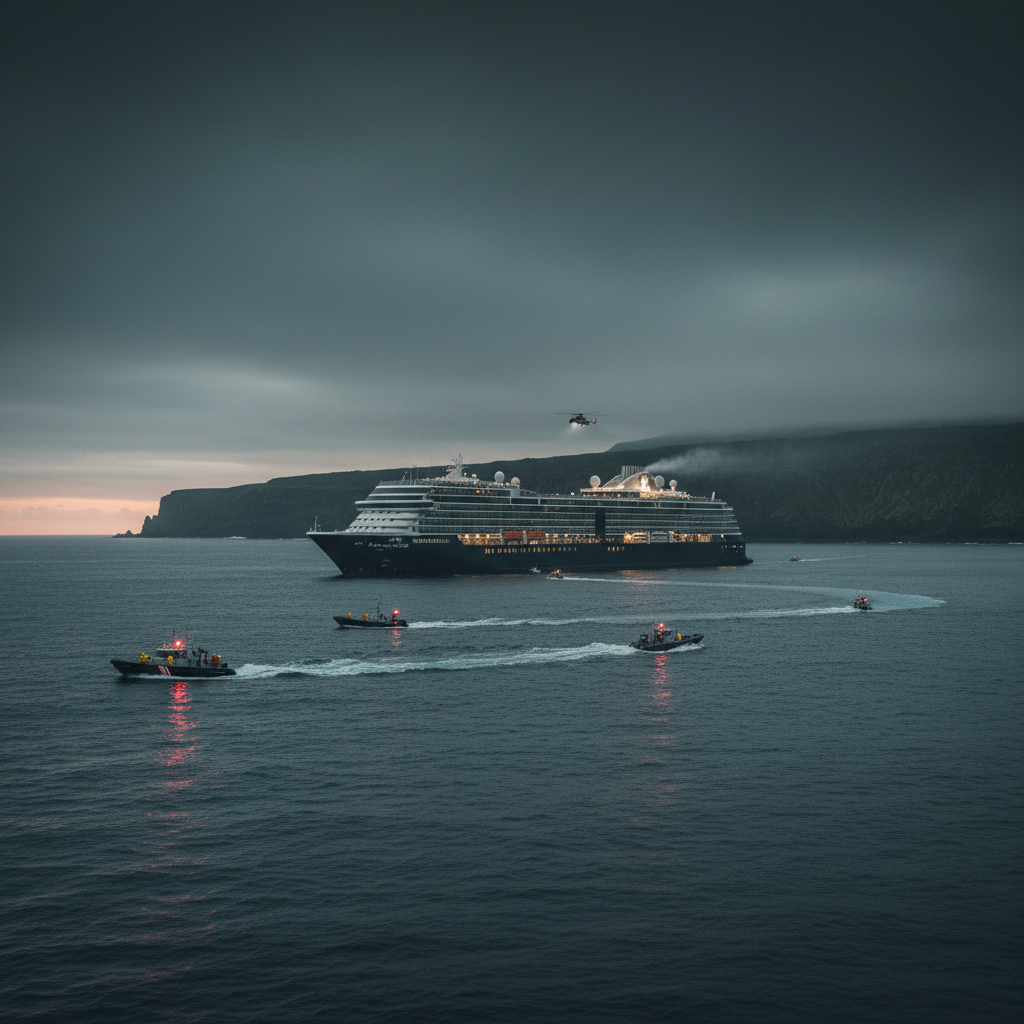
As the MV Hondius Andes remains anchored off Praia, Cape Verde, following a confirmed hantavirus outbreak in May 2026, global health organizations and national governments are recalibrating their travel advisories. The evolving situation has prompted a review of protocols for cruise travel, with particular emphasis on passenger screening and public health measures for individuals with recent exposure to the affected vessel. The World Health Organization (WHO) has reiterated its general guidance on hantavirus prevention and control, emphasizing rodent control and awareness, especially in areas known for outbreaks. While the WHO has not issued a specific travel ban related to the MV Hondius Andes, it continues to monitor the situation closely, providing technical support to Cape Verdean health authorities and international partners. The organization stresses the importance of strong surveillance systems and information sharing among member states. The European Centre for Disease Prevention and Control (ECDC) has advised European Union/European Economic Area (EU/EEA) member states to remain vigilant for imported cases of hantavirus among travelers returning from regions where the MV Hondius Andes has operated. Specific recommendations include enhanced awareness among healthcare professionals regarding hantavirus symptoms, especially for patients presenting with relevant travel history. The ECDC's guidance underscores the need for thorough epidemiological investigation of any suspected cases and adherence to infection control protocols.
National Responses and Travel Advisories
Several countries have issued specific guidance for their citizens, reflecting varying levels of caution. The United States Centers for Disease Control and Prevention (US CDC) has elevated its travel health notice for cruise travel related to the MV Hondius Andes. Passengers who were aboard the vessel since early May 2026 are advised to monitor their health for several weeks post-disembarkation and seek immediate medical attention if symptoms consistent with hantavirus emerge. The US CDC as well recommends that individuals consult with their healthcare provider before undertaking further cruise travel if they have concerns regarding recent exposure. Specific state-level advisories within the U.S. Largely mirror federal guidance, with some states offering additional resources for returning travelers. In the United Kingdom, the Foreign, Commonwealth & Development Office (FCDO) has updated its travel advice for Cape Verde, noting the ongoing health incident. While not advising against all travel to Cape Verde, the FCDO urges British nationals to follow local health guidance and remain informed on developments related to the MV Hondius Andes. Public Health England (PHE) — now the UK Health Security Agency, has provided clinical guidance for healthcare professionals on managing suspected hantavirus cases, particularly those with a travel history involving the cruise ship. Australia's Department of Foreign Affairs and Trade (DFAT) has advised its citizens to exercise a high degree of caution when considering cruise travel, particularly to areas where outbreaks have been reported. For those who have been on the MV Hondius Andes, DFAT recommends immediate consultation with a medical professional upon return to Australia, regardless of symptoms. Travel insurance providers are too advising passengers to review their policies regarding communicable disease outbreaks. Canada's Public Health Agency has issued similar recommendations, advising Canadians who have traveled on the MV Hondius Andes to be aware of hantavirus symptoms and to seek medical attention if they develop. They emphasize the importance of hygiene and avoiding contact with rodents and their droppings in affected areas.
Maritime Industry Adjusts Protocols
Beyond governmental advisories, the broader maritime industry is adapting its public health protocols. The International Maritime Organization (IMO), in coordination with WHO, has been instrumental in disseminating best practices for onboard sanitation and outbreak response.While specific details of ongoing operational changes across the global cruise fleet are not yet released, major cruise lines are understood to be reviewing and reinforcing their health and safety measures, including enhanced deep cleaning protocols, pest control. Passenger health screenings before boarding. The continued anchoring of the MV Hondius Andes underscores the complexities of managing infectious disease outbreaks in a highly mobile global population. Behind the scenes: the coordinated response from international and national health bodies, alongside evolving travel advisories, reflects a cautious though proactive approach to mitigating further spread and safeguarding public health.



