Global Travel Advisories Evolve as Hondius Andes Hantavirus Situation Persists
International health authorities and national governments are updating travel advisories for cruise passengers, reflecting ongoing concerns stemming from the MV Hondius Andes hantavirus outbreak off Cape Verde. Guidance varies significantly by region.
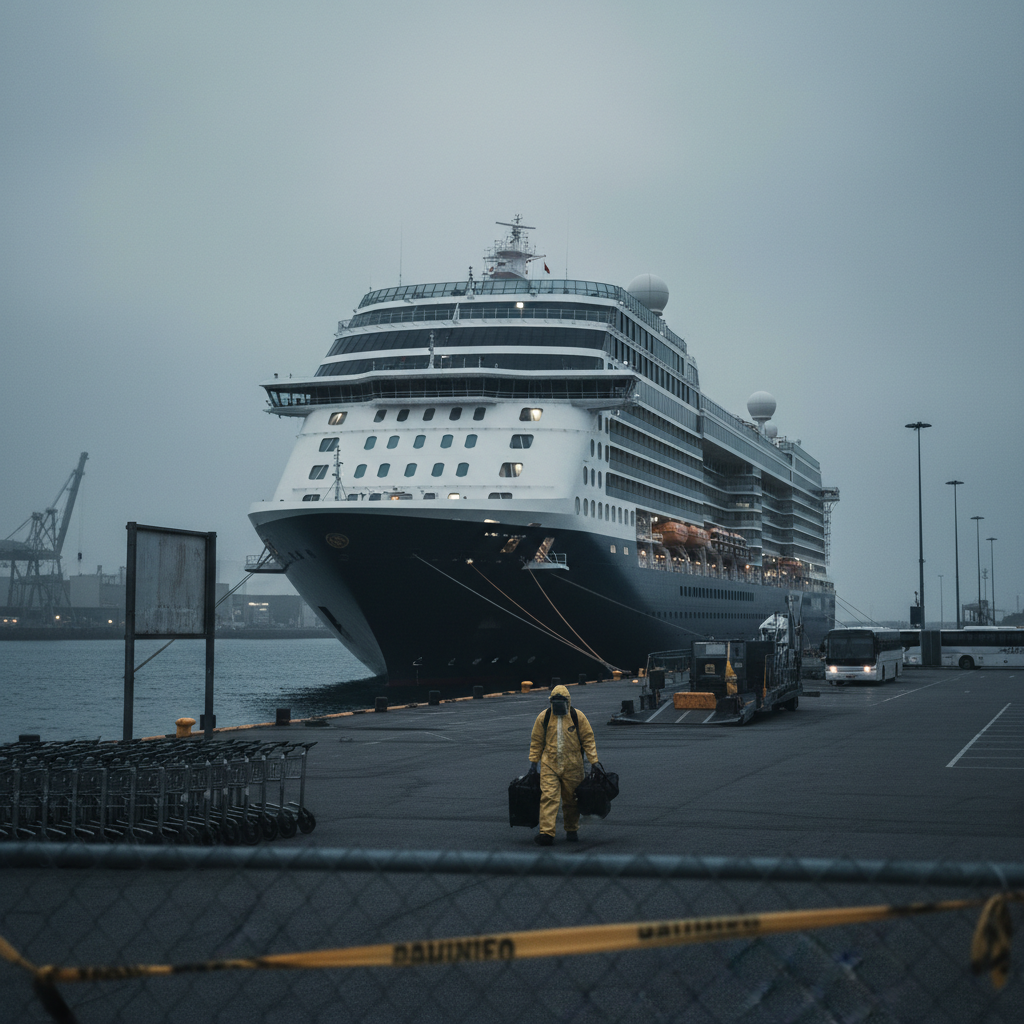
International Scrutiny Mounts on Cruise Travel
PRAIA, CAPE VERDE – As the MV Hondius Andes remains anchored off Praia, under a prolonged quarantine and medical observation due to the hantavirus outbreak first identified in May 2026, global health organizations and national governments are continuously reassessing and updating their travel advisories for cruise passengers. The unprecedented nature of a hantavirus outbreak on a cruise vessel has led to diverse and evolving responses from public health bodies worldwide, with implications for travelers planning future voyages. The World Health Organization (WHO) has maintained its stance, advising member states to enhance surveillance for acute respiratory syndromes, particularly in individuals with a recent history of cruise travel, especially from affected regions. While the WHO has not issued a blanket ban on cruise travel, its guidance emphasizes rigorous adherence to international health regulations and strong risk assessments by cruise operators. Behind the scenes: the organization continues to disseminate updated clinical guidance and public health recommendations to its global network, as of September 2026, per its official website.
United States: State-by-State Nuances
Within the United States, travel guidance remains largely under the purview of the Centers for Disease Control and Prevention (US CDC), which issues its own health notices for travelers. The US CDC has elevated its travel health notice level for cruise travel in general, advising passengers to ensure they're up-to-date on all routine vaccinations and to be aware of the symptoms of hantavirus pulmonary syndrome (HPS). For returnees from cruises with potential exposure, the US CDC recommends self-monitoring for symptoms and immediate consultation with a healthcare provider if symptoms develop. But, specific state-level directives can vary. Some states with major cruise ports, such as Florida and Texas, have issued supplementary public health alerts to healthcare providers on the heightened index of suspicion for HPS in returned cruise passengers. Other states, particularly those without direct international cruise traffic, have largely deferred to federal guidance, with public health departments echoing the US CDC's recommendations without additional restrictions.Specific directives on pre-boarding health screenings for future cruises originating from US ports are currently under review by various state health departments in conjunction with federal agencies. No widespread mandatory testing for hantavirus has been implemented as of mid-September 2026.
European Union: Coordinated but Differentiated Responses
The European Centre for Disease Prevention and Control (ECDC) has been instrumental in coordinating the EU's response to the hantavirus incident. The ECDC has advised EU member states to strengthen their surveillance systems for unusual respiratory illnesses, particularly among individuals returning from cruises. Public health agencies in countries like Germany, France, and Italy have As a result, reinforced their guidelines for general practitioners and hospitals, urging vigilance for HPS symptoms. Some EU nations, particularly those with bigly cruise industries or those that had citizens aboard the MV Hondius Andes, have implemented enhanced port health screening measures for incoming cruise vessels and passengers.For example, Spain and Portugal, due to their proximity to the affected region and historical maritime links, have reportedly increased health declaration requirements for disembarking passengers from certain itineraries. Not outright travel bans on cruise holidays. The ECDC continues to provide weekly epidemiological updates and risk assessments to EU member states, informing their national policies, as of its latest situation report.
Africa and Beyond: Proactive and Cautionary Stances
In Africa, the Africa Centres for Disease Control and Prevention (Africa CDC) has been working closely with Cape Verdean authorities and other regional bodies. Given the geographical location of the MV Hondius Andes incident, the Africa CDC has issued continent-wide guidance emphasizing enhanced border health measures and increased public awareness campaigns regarding zoonotic diseases. Several African nations have reportedly implemented stricter health questionnaires for passengers arriving from international cruise ships. For instance, South Africa has reinforced its port health protocols, requiring more detailed health declarations from cruise passengers.Countries in West Africa have been particularly vigilant, coordinating with local health ministries to ensure preparedness for potential imported cases. Specific travel restrictions on cruise lines have not been uniformly applied across the continent. Beyond these regions, countries like Australia and Canada have also updated their travel advisories.Global Affairs Canada has advised its citizens to exercise a high degree of caution when considering cruise travel, especially to regions potentially impacted by the outbreak. To consult their provincial health authorities for specific recommendations. Australia's Department of Health has similarly urged travelers to review their health status before booking cruises and to be aware of the health risks associated with close-quarter environments on ships. Neither country has enacted a blanket ban, though both emphasize informed decision-making and adherence to health protocols.
Ongoing Monitoring and Future Outlook
Cruise lines themselves are facing immense pressure to adapt. Multiple major operators have updated their health and safety protocols, including enhanced cleaning regimes, improved ventilation systems, and revised medical screening procedures for both passengers and crew. While there are calls from some quarters for mandatory pre-boarding hantavirus testing, this has not been widely adopted due to the logistical challenges and the specific epidemiological profile of hantavirus, which is not typically transmitted person-to-person. The global response remains dynamic, with advisories subject to change based on the evolving epidemiological situation of the MV Hondius Andes and any potential broader implications for cruise travel. Passengers planning future cruise holidays are strongly advised to regularly check the official websites of their national public health agencies, as well as the WHO and regional bodies like the ECDC and Africa CDC, for the most current and authoritative travel guidance.



