Global Travel Advisories Evolve as MV Hondius Andes Hantavirus Situation Persistent
International health and maritime agencies, alongside national governments, are updating travel guidance for passengers disembarking from the MV Hondius Andes, with evolving restrictions and monitoring protocols impacting onward travel.

International Scrutiny and Disembarkation Protocols
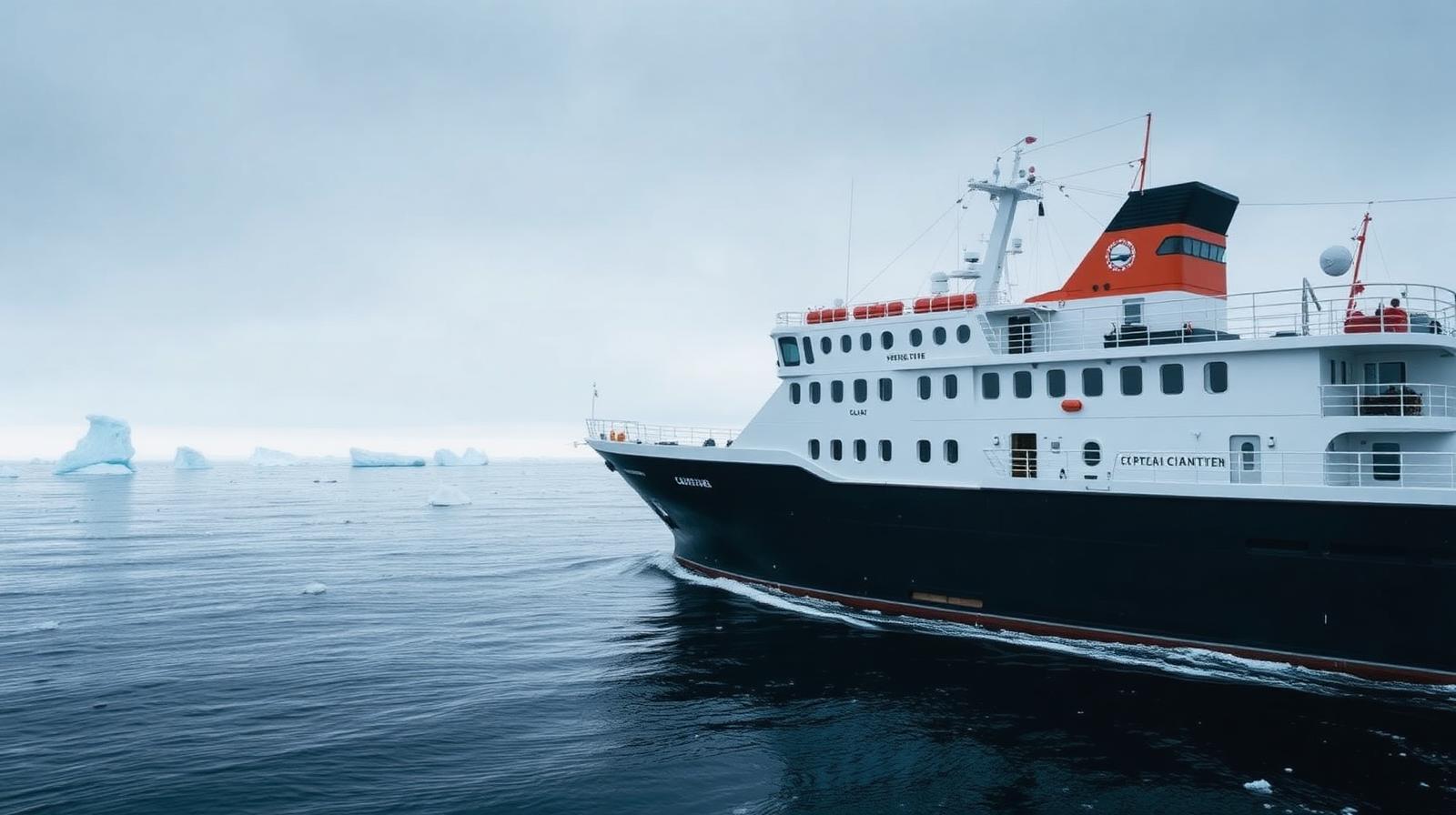
As the MV Hondius Andes remains anchored off Praia, Cape Verde, since early May 2026, international attention is sharply focused on the disembarkation process and the subsequent management of passengers and crew. The World Health Organization (WHO) and regional health bodies, including the European Centre for Disease Prevention and Control (ECDC) and Africa Centres for Disease Control and Prevention (Africa CDC), are coordinating with national authorities to establish protocols for the safe return and monitoring of individuals. The complexity of the situation stems from the incubation period of hantavirus and the need to prevent further transmission. Passengers and crew, many of whom have been onboard for weeks, face varying requirements depending on their destination country and their perceived risk exposure while on the vessel.
Country-Specific Travel Guidance Emerges
European Union Member States
Most European Union member states have implemented stringent monitoring requirements for returning citizens. Passengers originating from or transiting through the EU can expect enhanced health screening upon arrival.This often includes symptom checks, temperature monitoring. In some cases, mandatory quarantine periods at designated facilities or strict self-isolation at home, as advised by national public health agencies such as the Robert Koch Institute in Germany or Public Health France. The ECDC has issued guidance to member states on risk assessment and management of potential hantavirus exposures, emphasizing a coordinated approach across the Schengen area.
United States
The United States Centers for Disease Control and Prevention (US CDC) has advised a period of active monitoring for U.S. Citizens and permanent residents returning from the MV Hondius Andes.While specific quarantine orders vary by state, general recommendations include self-monitoring for symptoms, limiting close contact with others. Immediate reporting of any fever, chills, or respiratory symptoms to local health authorities. Some states with existing strong infectious disease surveillance systems have established dedicated hotlines and follow-up protocols for these returning travelers.
United Kingdom
Similar to the EU, the United Kingdom's health authorities have outlined a phased approach for returning UK nationals. Public Health England (PHE) guidance recommends a period of isolation and symptom monitoring. The precise duration and conditions for this isolation are communicated individually to passengers upon or before their arrival, taking into account their health status and any potential exposures identified during the cruise.
Canada
Heath Canada, in coordination with provincial and territorial health bodies, has enacted protocols for Canadians aboard the MV Hondius Andes. These measures typically include health assessments at port of entry, followed by a recommended period of self-monitoring or, in certain circumstances, supervised quarantine. Information distributed to returning passengers emphasizes the importance of adhering to public health advice to mitigate any potential spread.
Australia and New Zealand
Given the geographical distance, Australia and New Zealand have particularly strict border control measures. Passengers returning to these nations are subject to mandatory quarantine periods, often in government-managed facilities, and undergo repeated health screenings. These measures are designed to preempt any potential importation of the virus, aligning with their established biosecurity frameworks.
African Nations
For passengers returning to or transiting through African nations, the Africa CDC has been instrumental in disseminating guidance. Cape Verde's national health authorities are working closely with international partners on local health surveillance. Countries like South Africa and Nigeria have indicated they will enforce health screenings and potentially isolation for returning citizens, mirroring global best practices for emerging infectious diseases.
Call for Continued Vigilance
Authorities globally underscore the importance of public cooperation and transparency from travelers regarding their health status and recent travel history. The International Maritime Organization (IMO) continues to work with flag states and coastal states to ensure adherence to international health regulations during the disembarkation and repatriation phases. The situation remains fluid, with travel advisories subject to change based on epidemiological developments and further insights into the hantavirus transmission dynamics observed during the MV Hondius Andes incident.