Global Travel Advisories Intensify Amid Hondius Andes Hantavirus Event
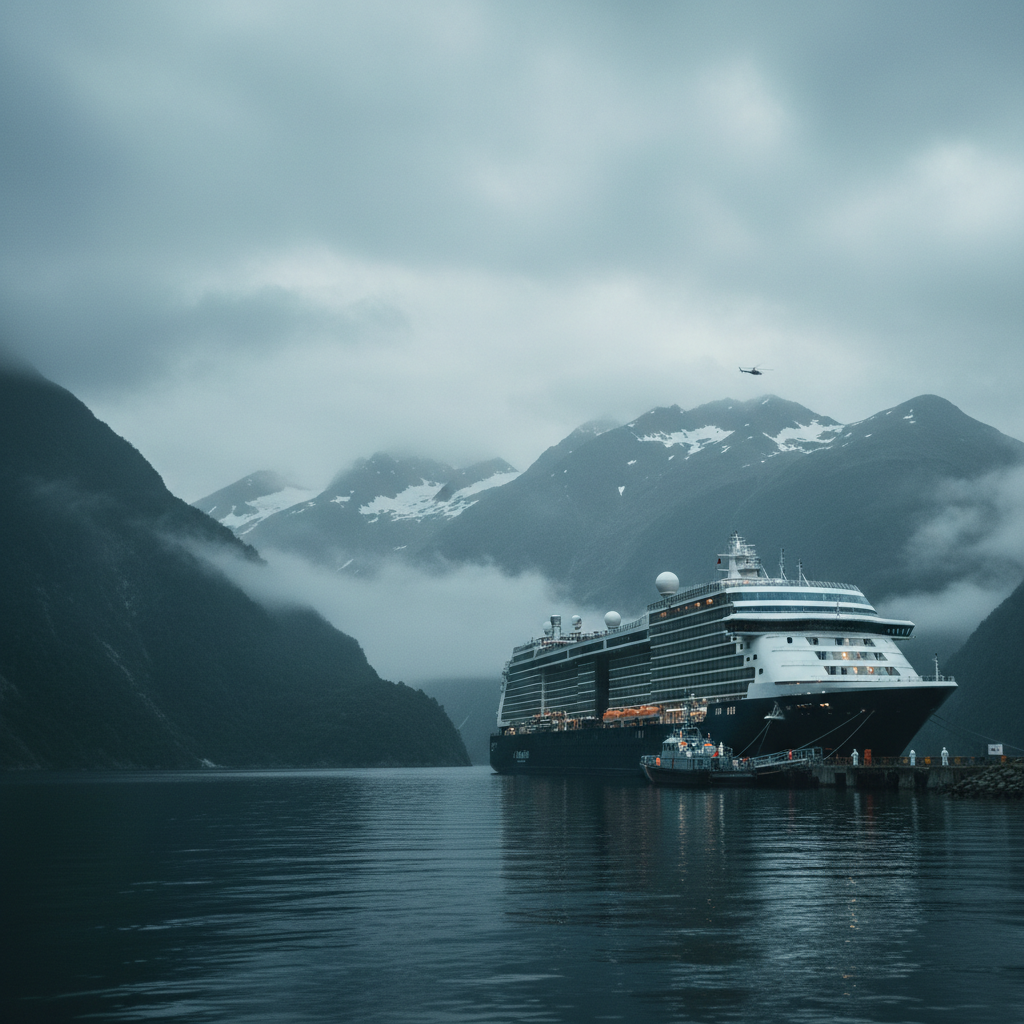
International health and maritime authorities have updated travel guidance for cruise passengers as the MV Hondius Andes remains anchored, impacting regional and global maritime operations and passenger confidence.
International Bodies Issue Updated Travel Guidance
As the MV Hondius Andes hantavirus outbreak continues to unfold off the coast of Praia, Cape Verde, major international health organizations and national governments have issued updated travel advisories, particularly impacting the cruise industry and passenger movement. These advisories, updated as of 2026-09-02, aim to inform travelers and mitigate further potential transmission. The World Health Organization (WHO) has reiterated its general guidance for travelers to observe strict personal hygiene and to be aware of local health advisories, especially when visiting areas known to have active outbreaks. While not issuing a blanket travel ban, the WHO has emphasized the importance of consulting national health authorities for specific recommendations before embarking on cruise travel, particularly to regions affected by zoonotic diseases like hantavirus. The organization encourages adherence to strong public health measures implemented by maritime operators.
Regional and National Responses
The European Centre for Disease Prevention and Control (ECDC) has advised European citizens to remain vigilant. The ECDC guidance specifically highlights the need for cruise operators to enhance surveillance protocols and implement stringent sanitation practices. For individuals who have recently traveled on cruise ships, especially those with connections to the MV Hondius Andes or the region, the ECDC recommends self-monitoring for symptoms and prompt medical consultation if any develop. The ECDC has not issued a specific 'don't travel' advisory for cruises but underscores informed decision-making. Across the Atlantic, the U.S. Centers for Disease Control and Prevention (US CDC) has elevated its travel health notice regarding cruise ship travel for certain demographics, advising individuals with underlying health conditions or weakened immune systems to consult healthcare providers before booking voyages. The US CDC's communication emphasizes the fluid nature of infectious disease outbreaks on enclosed vessels and the importance of rapid reporting of illness. They recommend that all passengers ensure their routine vaccinations are up-to-date and practice enhanced hand hygiene. Africa Centres for Disease Control and Prevention (Africa CDC) has too provided updated recommendations, particularly for countries in the West African region. Their guidance focuses on strengthening port health surveillance and ensuring that disembarking passengers from affected vessels undergo appropriate health screenings. Africa CDC stresses regional cooperation in tracking potential cases and implementing containment measures to prevent wider community spread. They advise against non-essential travel to affected port areas for individuals who are not fully aware of the public health situation or unable to follow stringent health protocols.
Maritime Industry and Passenger Impact
The International Maritime Organization (IMO) has been in communication with relevant national authorities on the protocols for managing vessels with confirmed outbreaks, such as the MV Hondius Andes. While the IMO's primary role is regulatory for shipping safety and environmental protection, its advisories often influence operational guidelines for cruise lines worldwide. They have called for enhanced collaboration between port states and flag states to ensure timely communication of health risks and coordinated responses. Several countries have taken specific steps. For instance, as of 2026-09-02, unconfirmed reports suggest certain states are implementing stricter health declarations for returning cruise passengers, particularly those who have visited West African ports. Some travel agencies have reported an increase in queries regarding cruise booking flexibility and cancellation policies, indicating a direct impact on passenger confidence and future travel plans. The cruise industry, still recovering from previous global health crises, is closely monitoring these advisories and adjusting operational policies accordingly. Cruise lines are reportedly enhancing their onboard medical facilities, increasing sanitation frequencies, and revising embarkation protocols to include more rigorous health screenings. These measures are being implemented voluntarily by many operators in an effort to reassure passengers and align with evolving public health expectations.
Looking Ahead
The ongoing situation with the MV Hondius Andes highlights the complex interplay between global travel, public health, and international cooperation. The advisories, while not always prescriptive, serve as critical tools for individuals to make informed decisions and for authorities to coordinate effective responses. Travelers planning cruise vacations are strongly advised to regularly check the latest guidance from their national health authorities and the WHO, as these recommendations are subject to change based on the evolving epidemiological situation.



