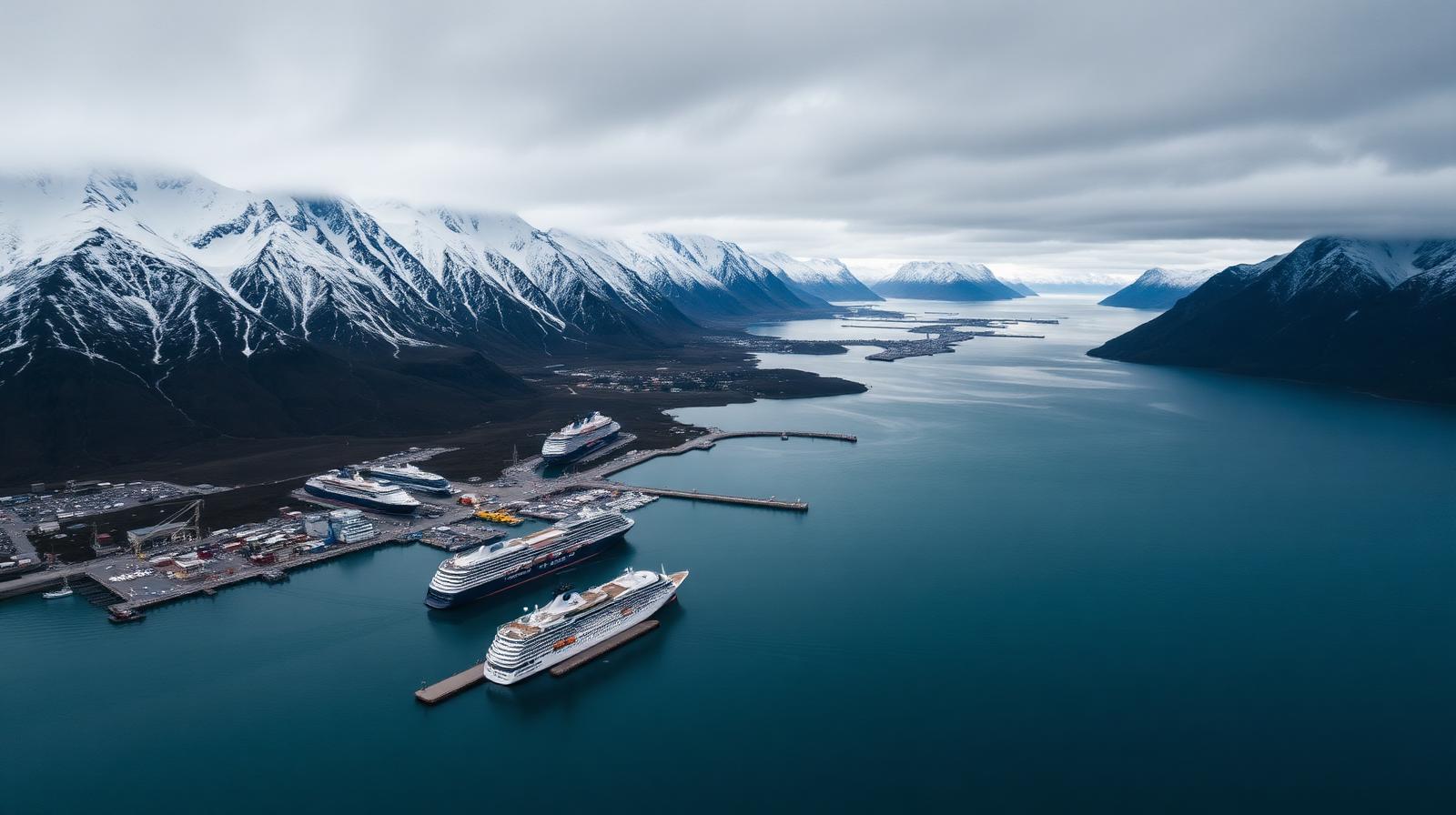
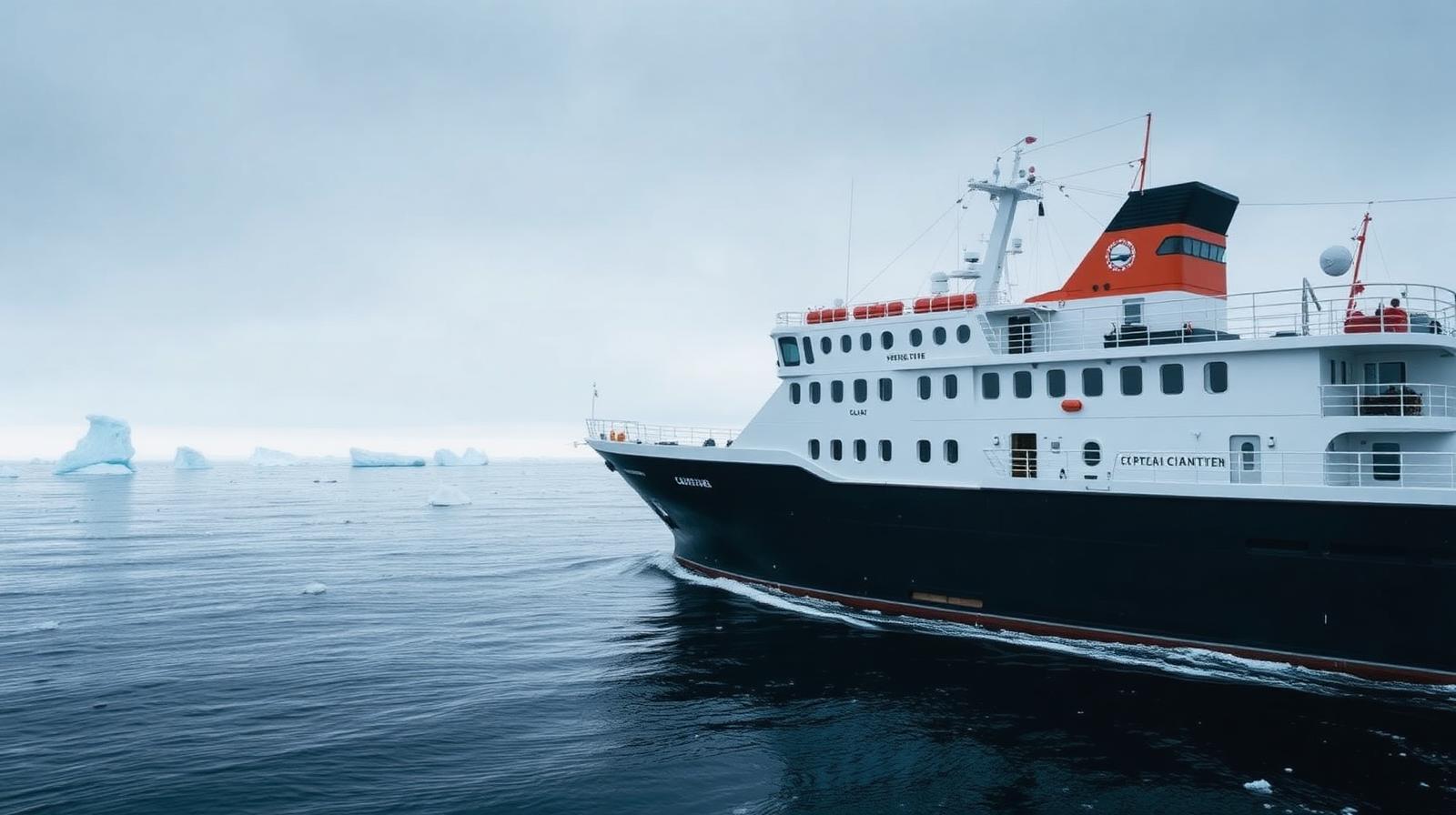
Global Travel Advisories Intensify for Cruise Passengers Amid Hondius Andes Outbreak
International health and maritime bodies issue varied guidance, advising caution for cruise travelers following the MV Hondius Andes hantavirus event. National governments weigh in with country-specific restrictions and recommendations.
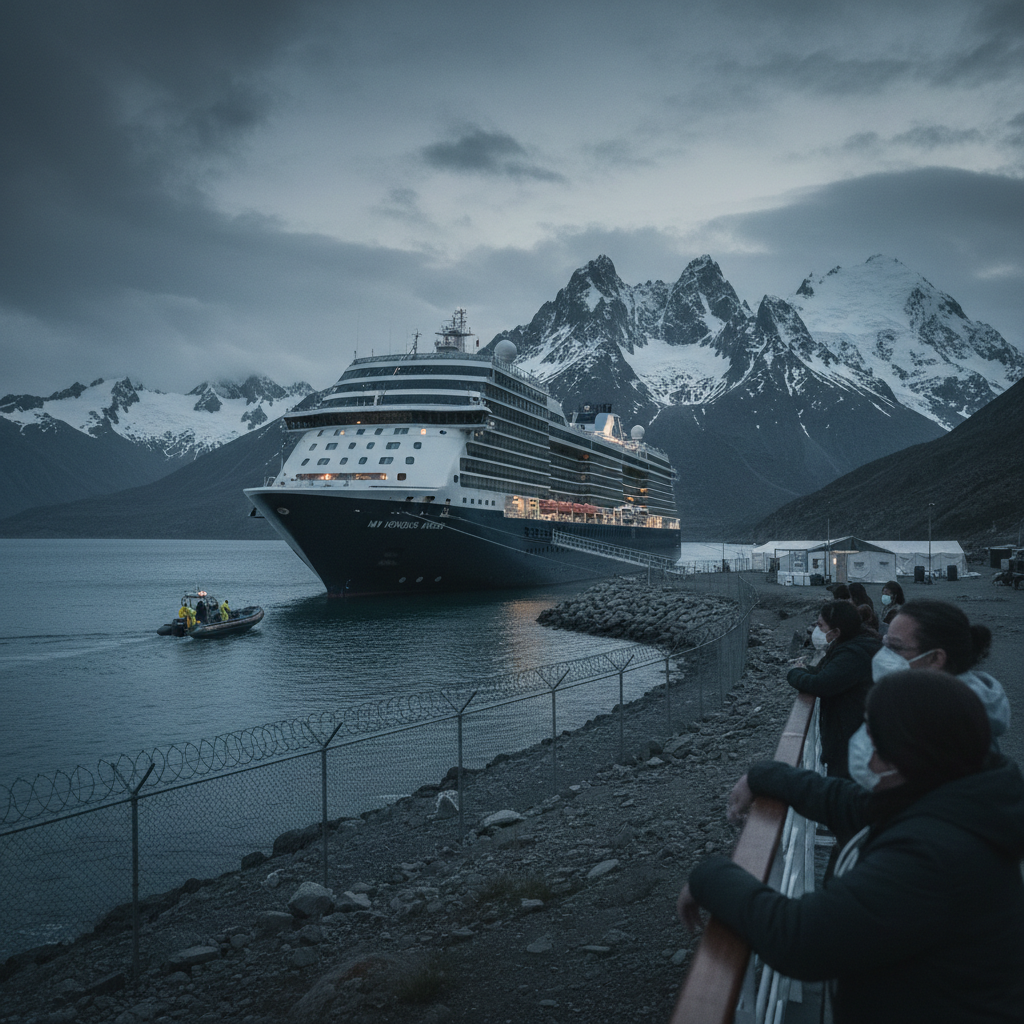
International Bodies Urge Vigilance for Cruise Travel
PRAIA, Cape Verde — As the MV Hondius Andes hantavirus incident continues to draw international attention, global health organizations and maritime authorities have updated their travel advisories, directly impacting passengers considering or currently on cruise voyages. The World Health Organization (WHO) has reiterated its call for enhanced surveillance and reporting of respiratory illnesses on all international conveyances, particularly cruise ships, since the outbreak's onset in May 2026. While the WHO has not issued a blanket ban on cruise travel, its guidance, last updated on 2026-09-28, emphasizes the importance of strong pre-boarding health screenings and on-board infection control measures. The organization also advises travelers to consult national health authorities for specific recommendations pertaining to their destination or origin. The International Maritime Organization (IMO) has circulated recommendations on health protocols for ships, focusing on preventing the spread of infectious diseases, referencing the Hondius Andes event as a bigly case study in recent maritime health challenges.
Shifting National Responses and Border Controls
Individual nations have implemented a spectrum of responses, reflecting varying degrees of concern and risk assessment on the hantavirus outbreak linked to the MV Hondius Andes. Travelers are increasingly advised to check the latest guidance from their national health departments or foreign ministries before booking or embarking on cruise travel. United States: The US Centers for Disease Control and Prevention (US CDC) maintains a multi-tiered travel health notice system, with several cruise-related advisories currently in effect, last updated on 2026-10-01. These advisories range from encouraging updated vaccinations for common cruise-associated illnesses to recommending heightened awareness for respiratory symptoms. For travelers returning from regions where hantavirus has been detected, the US CDC advises self-monitoring for symptoms and seeking medical attention if feeling unwell. European Union: The European Centre for Disease Prevention and Control (ECDC) has coordinated with EU member states to issue harmonized guidelines, as of 2026-09-29. While not prohibiting cruise travel, the ECDC advises EU citizens to be aware of enhanced health checks at ports and potential changes to itineraries. Some EU member states, particularly those with bigly cruise traffic, have implemented additional national requirements, such as pre-departure testing or proof of health insurance covering infectious diseases. African Nations: The Africa Centres for Disease Control and Prevention (Africa CDC) has been pivotal in coordinating responses among African Union member states, particularly given the MV Hondius Andes's current anchorage off Praia, Cape Verde. The Africa CDC's guidance, issued on 2026-09-26, recommends strengthened port health surveillance, particularly for vessels with a recent history of international travel or known health incidents. Several West African nations have tightened their entry protocols for passengers disembarking from cruises, requiring health declarations and, in some instances, medical screenings upon arrival. Other Key Regions:
- United Kingdom: The UK Foreign, Commonwealth & Development Office (FCDO) has updated its travel advice for numerous countries, often including sections on cruise travel. As of 2026-10-02, the FCDO urges British nationals to ensure comprehensive travel insurance and to be prepared for potential public health measures that could impact their journeys. * Canada: Global Affairs Canada has issued similar warnings, advising Canadians to exercise a high degree of caution for non-essential international cruise travel, citing the ongoing public health situation and potential for disruptions. * Australia & New Zealand: Both nations have maintained stringent border controls and health advisories for international travel since the initial global health crisis. Their current guidance, dating to late September 2026, emphasizes the need for travelers to be fully informed of destination-specific public health requirements, especially concerning cruise itineraries.
Impact on the Cruise Industry and Future Outlook
The fragmented nature of travel advisories has presented challenges for the global cruise industry, which is working to align its protocols with evolving public health requirements. Cruise lines have implemented enhanced sanitation procedures, medical personnel deployment, and isolation protocols on board their vessels. Despite these measures, passenger confidence remains a critical factor. Experts suggest that the current landscape of varied travel advisories is likely to persist as long as the MV Hondius Andes situation remains unresolved and global health authorities continue to monitor for potential spread. Travelers are strongly encouraged to consult official government and health organization websites directly for the most up-to-date and accurate information before planning any cruise travel.
Sources
- World Health Organization (WHO): https://www.who.int/
- US Centers for Disease Control and Prevention (US CDC): https://www.cdc.gov/
- European Centre for Disease Prevention and Control (ECDC): https://www.ecdc.europa.eu/
- Africa Centres for Disease Control and Prevention (Africa CDC): https://africacdc.org/
- International Maritime Organization (IMO): https://www.imo.org/
- Reuters: https://www.reuters.com/
- Associated Press (AP): https://apnews.com/
- BBC News: https://www.bbc.com/news