Global Travel Advisories Intensify for Hondius Andes Passengers Amid Hantavirus Incident
International health authorities and national governments have issued a patchwork of updated travel advisories and restrictions targeting passengers and crew from the MV Hondius Andes, now anchored off Praia.
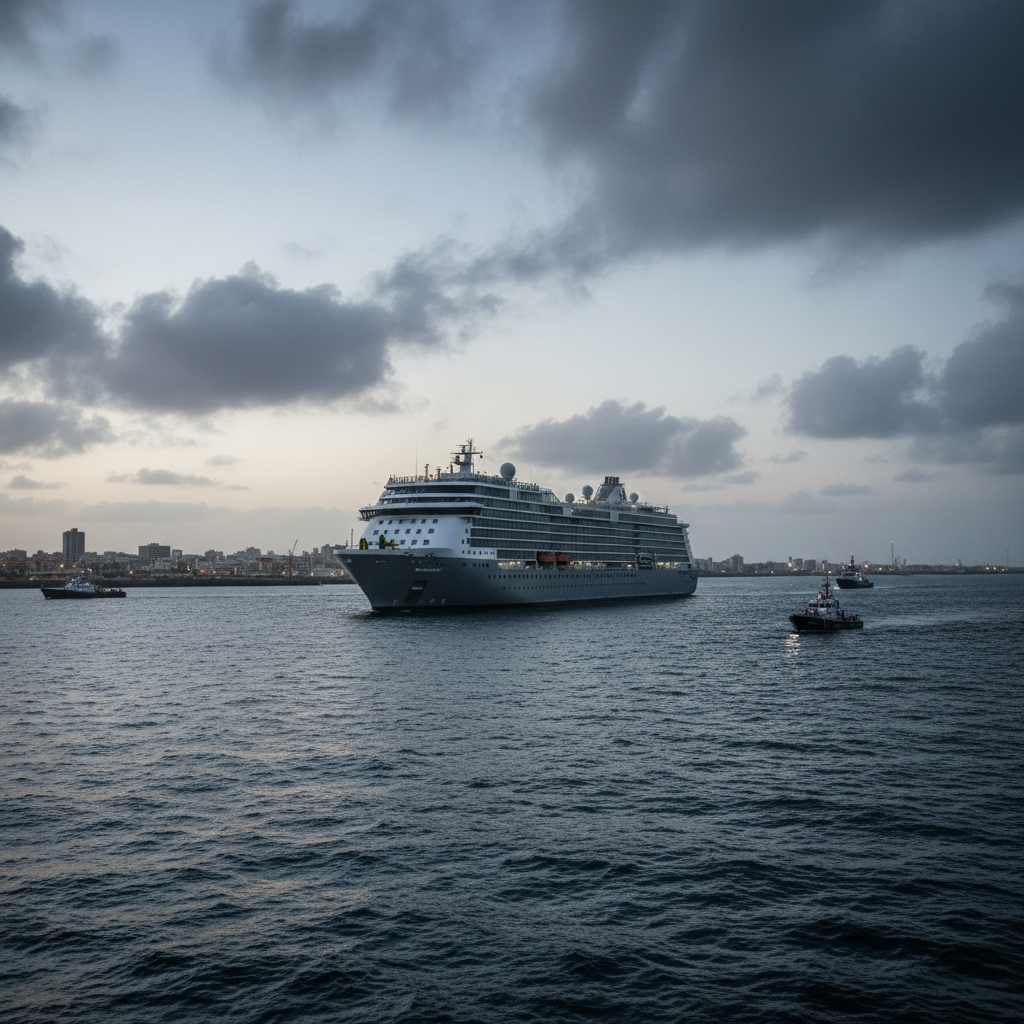
International Response to MV Hondius Andes Outbreak
The global response to the hantavirus outbreak aboard the MV Hondius Andes continues to evolve, with multiple nations and international bodies implementing stringent. Sometimes varying, travel advisories for individuals associated with the vessel. As of June 2, 2026, the ship remains anchored off Praia, Cape Verde, undergoing extensive sanitation protocols and medical evaluation of those onboard.
Evolving US Guidance for Returning Citizens
The United States Centers for Disease Control and Prevention (US CDC) has updated its guidance for US citizens and residents who were aboard the MV Hondius Andes. The US CDC advises that all returning passengers and crew undergo a mandatory 21-day self-quarantine period upon arrival in the US. This recommendation is irrespective of symptom status at the time of disembarkation. And, the US CDC has recommended that state health departments establish designated monitoring programs for these individuals, including daily symptom checks and immediate isolation and testing for anyone developing symptoms consistent with hantavirus pulmonary syndrome (HPS). Several states, including Florida and California, major cruise homeports, have already activated such enhanced monitoring protocols, according to publicly released statements.
European Union and Schengen Area Protocols
Within the European Union and the broader Schengen Area, the European Centre for Disease Prevention and Control (ECDC) has issued an Urgent Risk Assessment. This assessment recommends that Member States implement a 14-day observation period for all passengers and crew disembarking the MV Hondius Andes who are travelling to EU/Schengen countries. On the ground, this period involves active monitoring by public health authorities.Specific entry requirements may vary by country; for instance, some Member States are reportedly requiring a negative hantavirus antibody test result acquired post-disembarkation before permitting unrestricted entry. Others are focusing solely on symptom monitoring and follow-up. National health ministries across Europe are expected to align further on these protocols in coordination with the ECDC.
Africa CDC and Regional Perspectives
The Africa Centres for Disease Control and Prevention (Africa CDC) has been working closely with Cape Verdean authorities on the ground. While Cape Verde initiated its own public health measures, including isolation and testing for those disembarking onto its territory, the Africa CDC has issued continent-wide recommendations. These recommendations urge African Union Member States to implement enhanced surveillance at points of entry for individuals arriving from regions affected by specific outbreaks, including persons who have been on cruise ships identified as outbreak sites. Given the complexity of hantavirus transmission, the Africa CDC emphasizes adherence to strict infection prevention and control guidelines for healthcare workers managing potential cases.
Other National Responses
Beyond these major blocs, several other nations have announced bespoke measures:
- Canada: Public Health Agency of Canada (PHAC) has indicated that all Canadian citizens and permanent residents returning from the MV Hondius Andes will be subject to a mandatory health assessment upon arrival, followed by a recommended 14-day self-isolation period. They're as well advising against all cruise ship travel for the foreseeable future. * United Kingdom: The UK Health Security Agency (UKHSA) has advised returning citizens from the vessel to contact NHS 111 immediately upon arrival and to self-isolate for 14 days, regardless of symptom status. * Australia and New Zealand: Both countries have stringent border controls in place. Passengers arriving from the MV Hondius Andes would likely be subject to existing strong quarantine measures and further health screening due to the hantavirus risk.
International Coordination and Challenges
The International Maritime Organization (IMO) continues to monitor the situation, focusing on the safe disembarkation and transit of passengers and crew, in coordination with the World Health Organization (WHO). The WHO has reiterated its call for international cooperation and information sharing to manage the outbreak and prevent broader transmission. The varied nature of national advisories presents challenges for passengers, who must navigate a complex web of regulations depending on their destination. Public health officials consistently advise that affected individuals follow local health authority instructions diligently and monitor for symptoms, which can appear up to 45 days post-exposure for HPS. The patchwork of global responses underscores the ongoing challenge of managing international health crises aboard maritime vessels.
Sources
- World Health Organization (WHO): https://www.who.int
- European Centre for Disease Prevention and Control (ECDC): https://www.ecdc.europa.eu
- Africa Centres for Disease Control and Prevention (Africa CDC): https://africacdc.org
- US Centers for Disease Control and Prevention (US CDC): https://www.cdc.gov
- International Maritime Organization (IMO): https://www.imo.org
- Reuters: https://www.reuters.com
- Associated Press (AP): https://apnews.com
- BBC News: https://www.bbc.com/news



