Global Travel Advisories Shift Amidst Hondius Andes Hantavirus Event
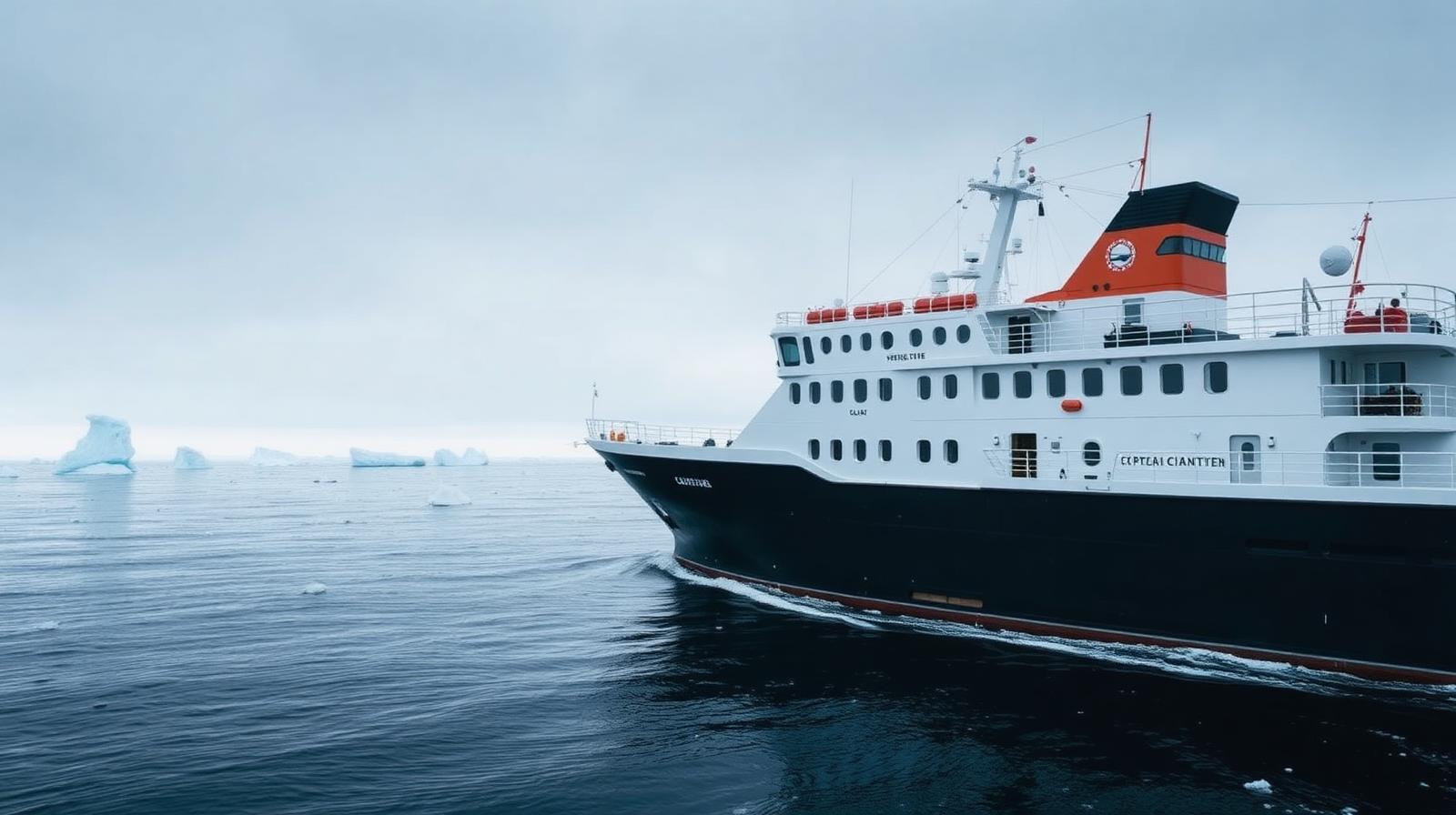
International health agencies and national governments are adjusting travel guidance for cruise passengers, particularly those with a recent history aboard or connections to the MV Hondius Andes. Measures range from enhanced screening to outright travel restrictions.

International Health Organizations Issue Updated Guidance
Global public health bodies, including the World Health Organization (WHO), the European Centre for Disease Prevention and Control (ECDC), and the U.S. Centers for Disease Control and Prevention (US CDC), have reiterated and updated their travel guidance in response to the ongoing Hantavirus event linked to the MV Hondius Andes. These recommendations aim to mitigate potential further transmission and ensure the safety of both passengers and the wider public. The WHO has advised member states to implement strong health surveillance at ports of entry, particularly for individuals arriving from regions associated with the MV Hondius Andes' recent itinerary. The organization emphasizes the importance of disseminating accurate information to travelers and healthcare providers regarding hantavirus symptoms and prevention. ECDC communications have focused on strengthening cross-border health communication and coordinating response efforts among European Union member states, urging vigilance for returning travelers.
National Responses: A Patchwork of Policies
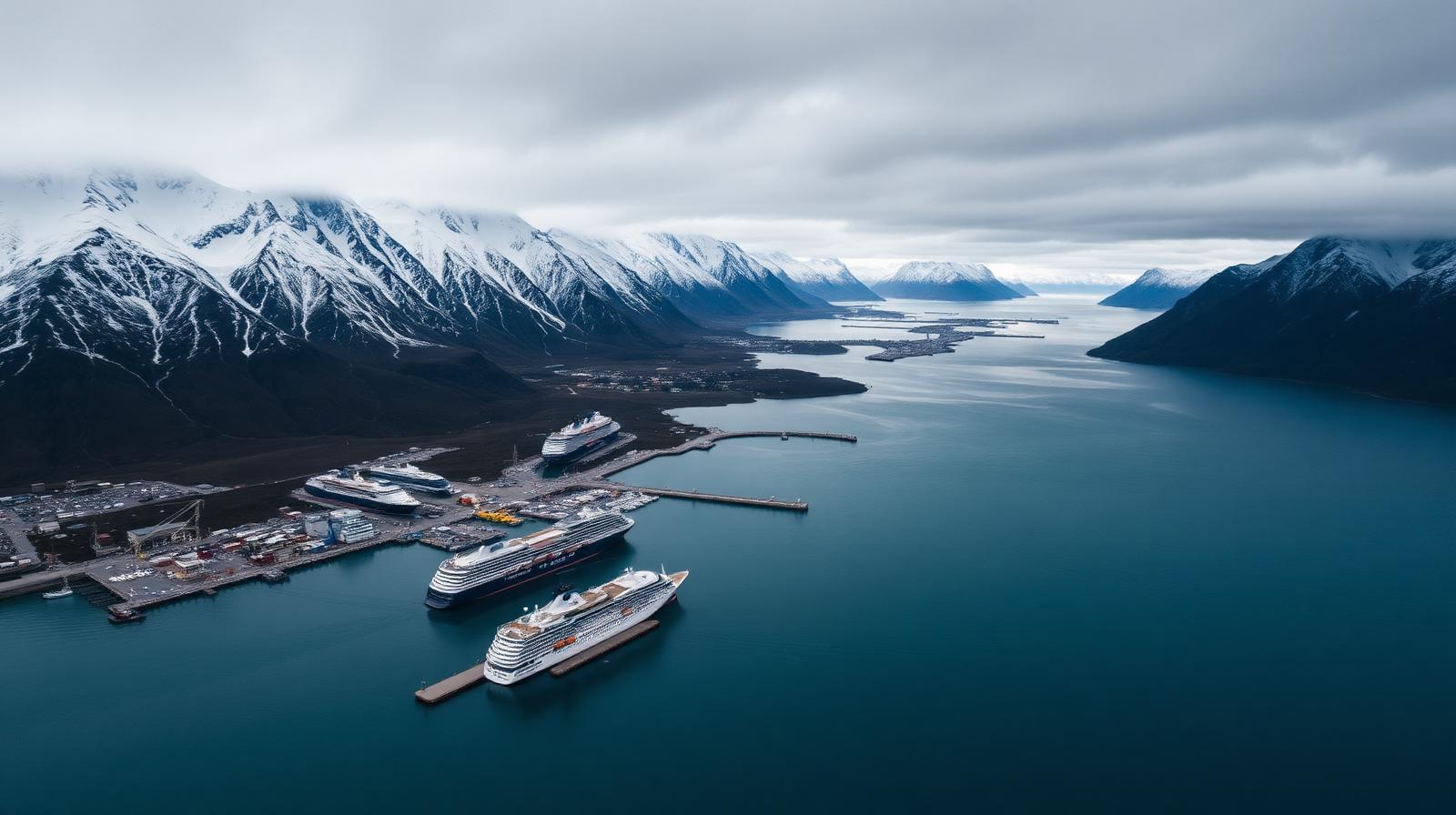
National governments worldwide have adopted several measures, reflecting differing risk assessments and public health capacities. Many nations have implemented enhanced screening protocols for passengers disembarking from cruise ships, especially those that have recently operated in the vicinity of the MV Hondius Andes or had direct contact with affected individuals or vessels.
North America
In the United States, the US CDC has maintained its Level 2 Travel Health Notice for cruise travel related to the ongoing hantavirus concerns, urging travelers to 'practice enhanced precautions.' Specific states with major cruise ports, such as Florida, Texas, and California, have reportedly increased health checks for arriving passengers and crew. Canadian authorities have echoed similar advice, recommending that citizens defer non-essential cruise travel to affected regions and to consult their healthcare providers upon return if symptoms develop.
Europe
European nations have largely aligned their policies with ECDC recommendations. Several EU member states, including Spain, Italy, and France, have implemented mandatory health declarations and temperature checks for all arriving cruise passengers, irrespective of their origin. Some countries have advised against cruise travel for vulnerable populations, such as the elderly or immunocompromised, particularly to areas where the MV Hondius Andes has recently operated. The UK Health Security Agency has issued specific guidance for returning citizens, advising self-monitoring for symptoms for a period following disembarkation.
Africa and Latin America
Countries in Africa, particularly those in West Africa like Senegal and Mauritania which are in proximity to Cape Verde, have reinforced port health services. Africa CDC has been instrumental in coordinating a regional response, focusing on early detection and preparedness. Several Latin American nations, popular destinations for cruise lines, have also stepped up health surveillance at their ports. Brazil and Argentina have reportedly introduced additional health screening questions for all inbound cruise passengers and crew, focusing on recent travel history and potential exposure.
Asia and Oceania
In Asia, countries like Japan, South Korea, and Singapore, which have high volumes of cruise tourism, have implemented some of the most stringent measures. These include mandatory health questionnaires, thermal scanning, and in some cases, rapid diagnostic testing for symptomatic individuals.Australia and New Zealand have issued updated travel advisories, recommending their citizens exercise a high degree of caution when considering cruise travel, especially to regions affected by the Hantavirus event. To be aware of potential quarantine requirements upon return.
Implications for Cruise Industry and Future Travel
The evolving travel advisories present bigly challenges for the global cruise industry.Operators are reportedly collaborating closely with national and international health authorities to implement enhanced sanitation protocols, health monitoring for crew and passengers. Adapting itineraries to comply with varying national regulations. Passengers are advised to remain informed about the specific requirements of their departure and destination ports, as well as their cruise line's policies, as these can change rapidly. The International Maritime Organization (IMO) has been engaging with member states to ensure a coordinated approach to maritime health declarations and port state control measures.
Sources
- World Health Organization: https://www.who.int
- U.S. Centers for Disease Control and Prevention: https://www.cdc.gov
- European Centre for Disease Prevention and Control: https://www.ecdc.europa.eu
- Africa Centres for Disease Control and Prevention: https://africacdc.org
- International Maritime Organization: https://www.imo.org
- Reuters: https://www.reuters.com
- Associated Press: https://apnews.com
- BBC News: https://www.bbc.com